

Toe Walking
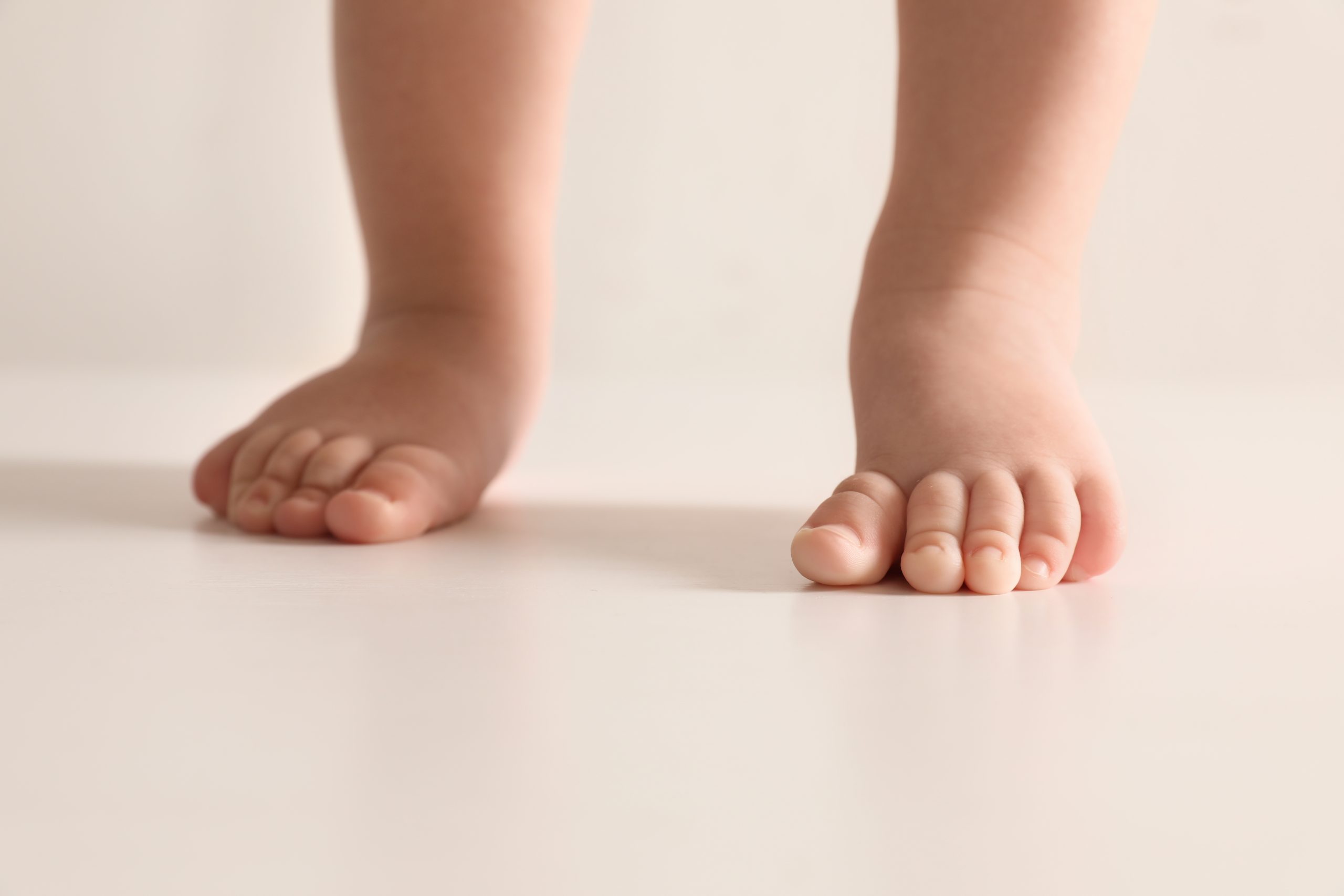
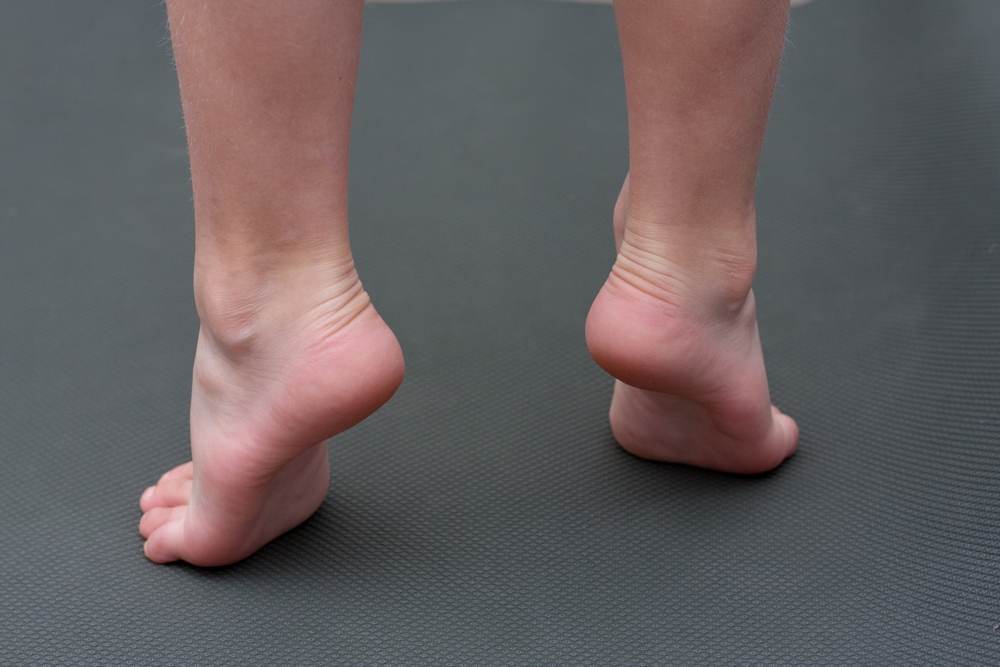
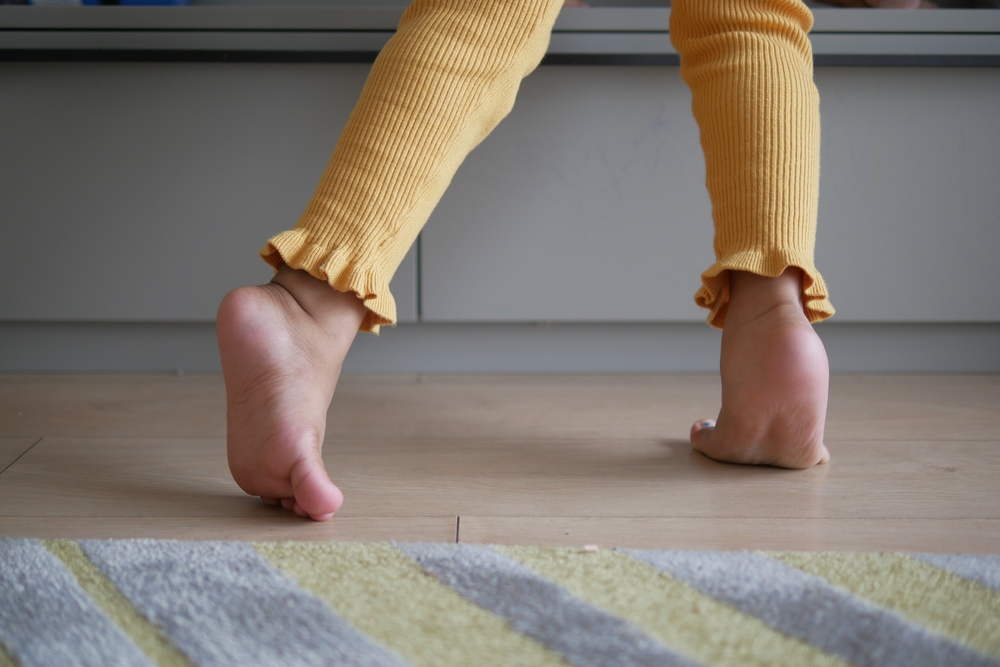
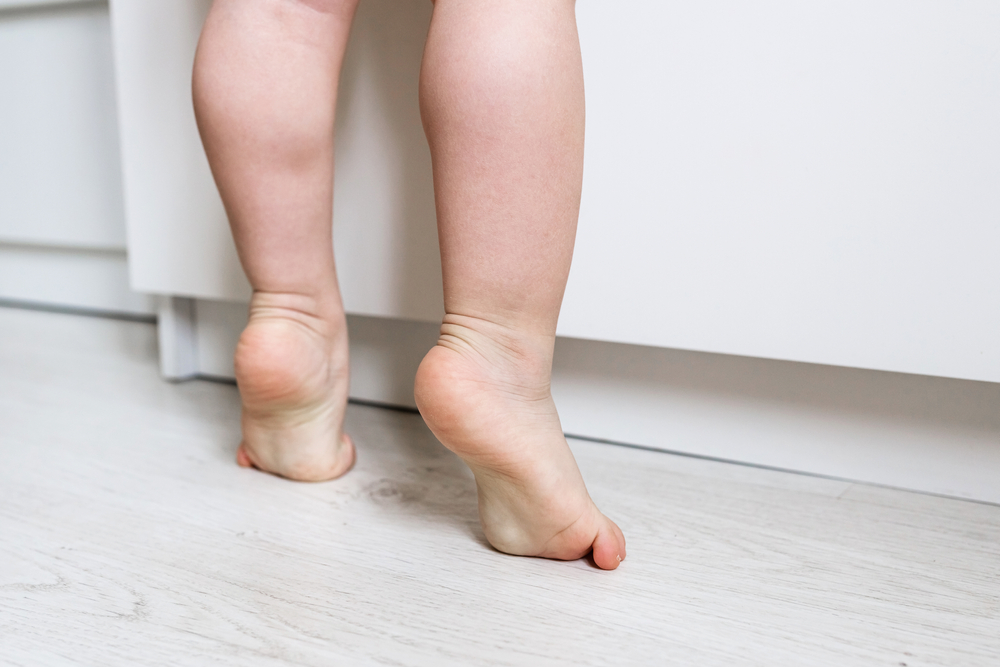
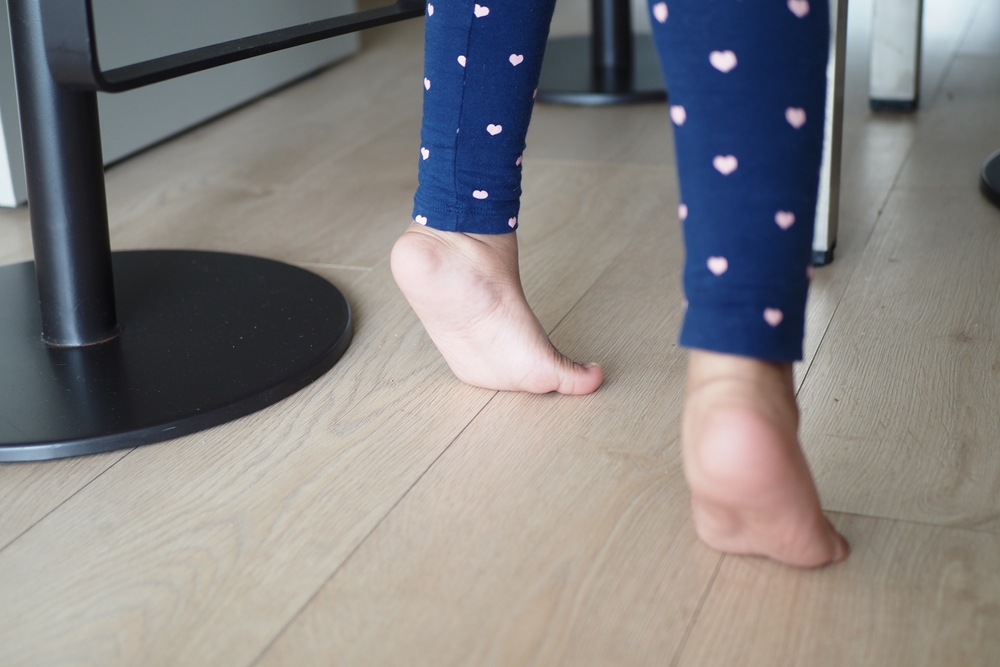
Toe walking, where a child walks predominantly on the balls of their feet rather than using a normal heel-to-toe pattern, is common in early walkers and often resolves on its own. But when it persists, it’s worth a closer look, which is why our podiatrists at Emerald Hill Podiatry assess the underlying cause rather than assuming it’s simply a habit your child will grow out of.
Toe walking, medically referred to as an equinus gait, describes a walking pattern where a child steps onto the toes or balls of the feet with little or no heel contact. It’s very common in children just learning to walk and often disappears naturally within the first couple of years. When it continues well beyond that stage, particularly past age two or three, it’s called persistent or idiopathic toe walking if no clear cause is found, though in some children it’s linked to an underlying muscular, neurological, or developmental factor.
Toe walking can happen for a range of reasons, and figuring out which one applies shapes how it’s managed:
Persistent toe walking changes more than just the way a child’s steps look. Walking without heel contact shortens the calf muscles and Achilles tendon over time, which can make it progressively harder to place the heel down flat, sometimes to the point where the tightness becomes a physical limitation rather than a habit.
It can also affect balance, since the heel plays an important role in stability, and may contribute to frequent tripping or difficulty with activities that require a stable, flat-footed base, such as squatting or standing still for extended periods.
See a podiatrist if:
Get Your Child's Foot Properly Assessed
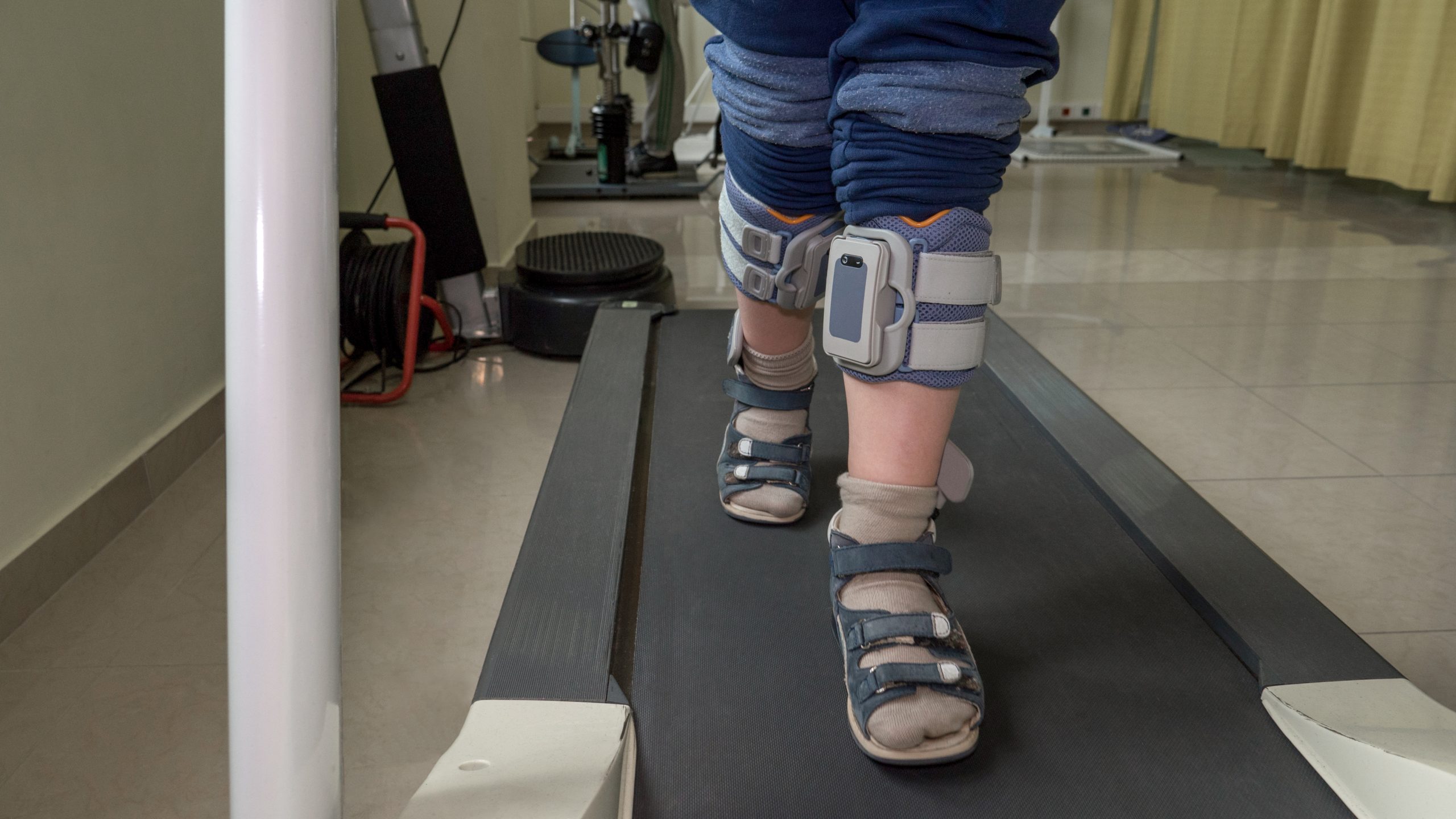
Treatment depends on whether the toe walking is habitual, related to muscle tightness, or linked to another underlying factor.
Options include:
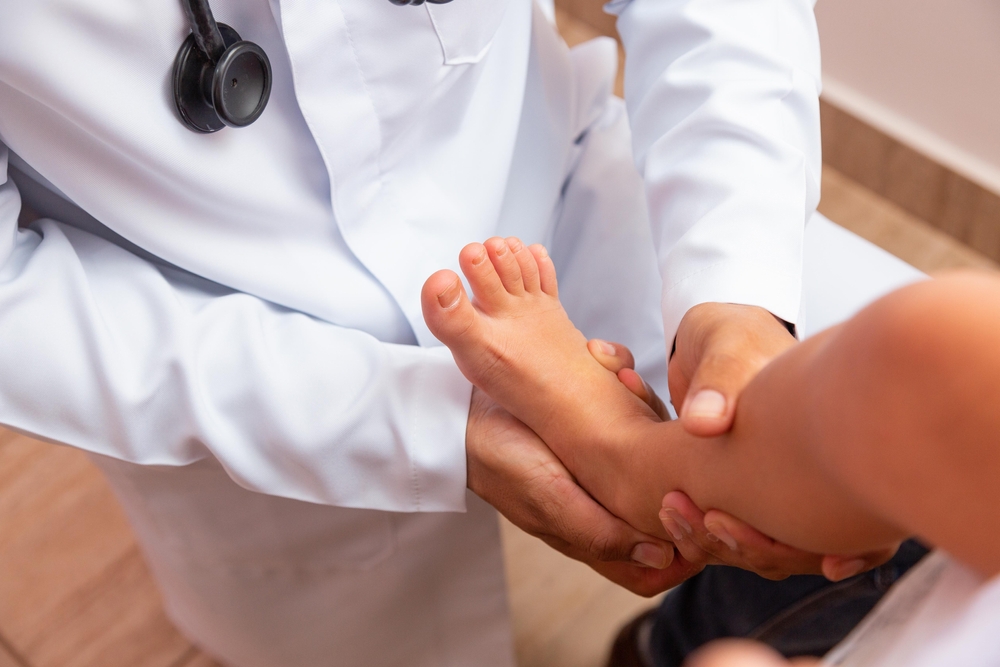
Your podiatrist checks your child’s range of motion at the ankle, examines calf and Achilles tightness, and observes their walking pattern to determine whether the toe walking is habitual or linked to an underlying tightness or condition. From there, a plan is set to encourage a more natural gait, with referral for further developmental assessment if needed.


