
In-Toeing
In-toeing, where a child’s feet point inward rather than straight ahead when walking or running, is one of the most common reasons parents bring their little ones to see us at Emerald Hill Podiatry. In the vast majority of cases it’s a normal part of growth that resolves on its own, but our podiatrists assess each case individually to rule out anything that needs closer monitoring or intervention.
What is In-Toeing
In-toeing describes a walking or running pattern where one or both feet turn inward instead of pointing forward. It’s most commonly noticed in toddlers and young children as they develop their walking pattern, and while it can look unusual, it’s rarely a cause for concern on its own. In most children, in-toeing gradually corrects itself as the bones and muscles of the legs continue to develop.
What Causes In-Toing
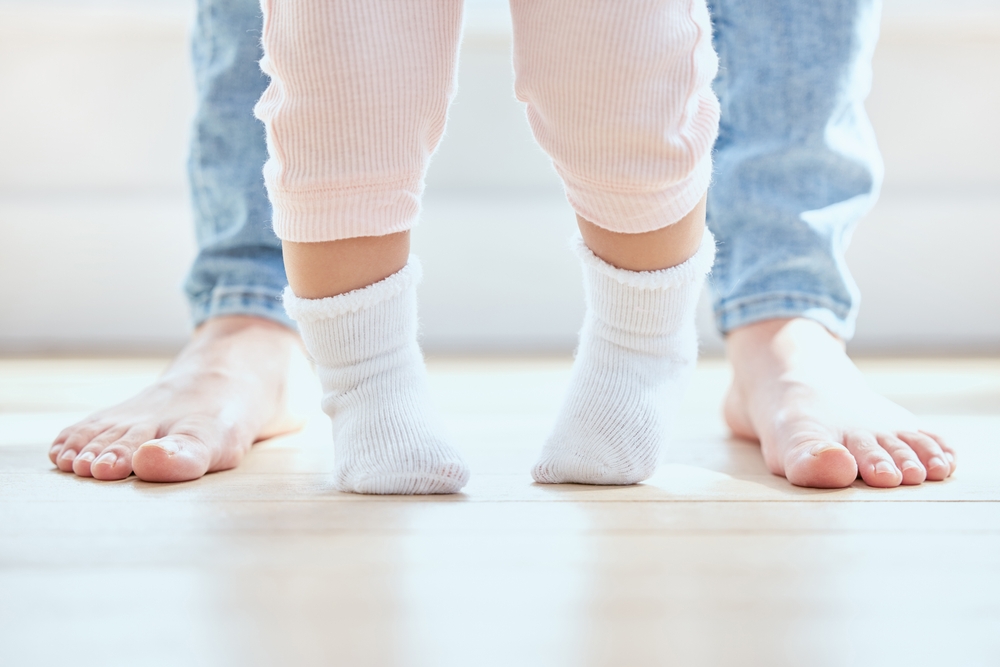
In-toeing typically stems from one of a few underlying factors, depending on where in the leg the rotation is occurring:
- Metatarsus adductus — the front part of the foot curves inward, often present from infancy
- Internal tibial torsion — an inward twist of the shin bone, one of the most common causes in toddlers
- Femoral anteversion — an inward rotation of the thigh bone, more often noticed in slightly older children
- Sleeping or sitting positions during infancy, such as habitually sitting in a "W" position, which may influence how the legs develop
Each of these has a different natural timeline for resolving, which is why identifying the underlying cause matters for setting expectations around when it’s likely to improve.
Signs That May Need Assessment
- In-toeing that appears to be getting worse rather than improving with age
- A noticeable difference in severity between the left and right foot
- Frequent tripping or stumbling that seems to be affecting the child's confidence or activity
- In-toeing persisting beyond the early school years without improvement
- Associated pain, or the child avoiding certain activities because of it
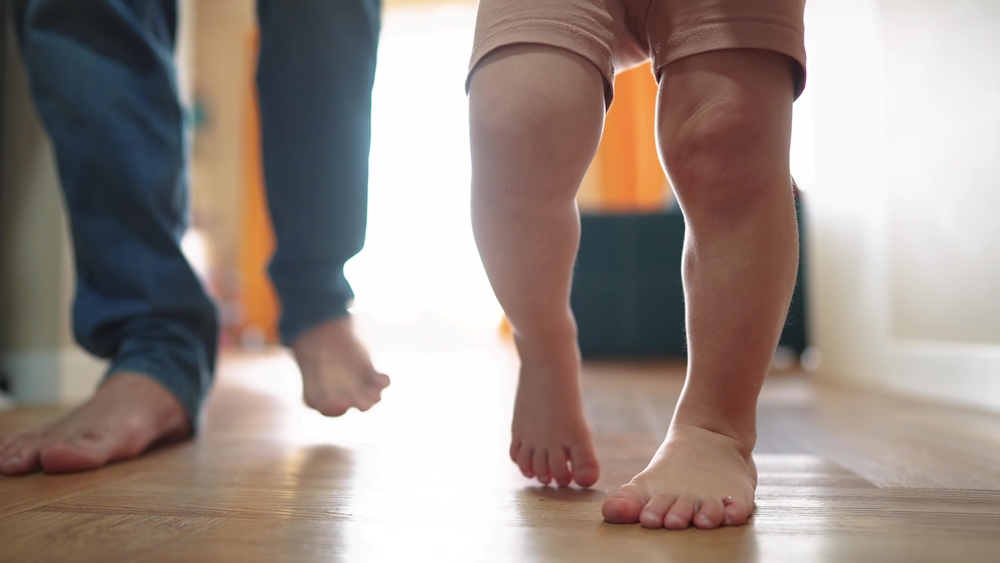
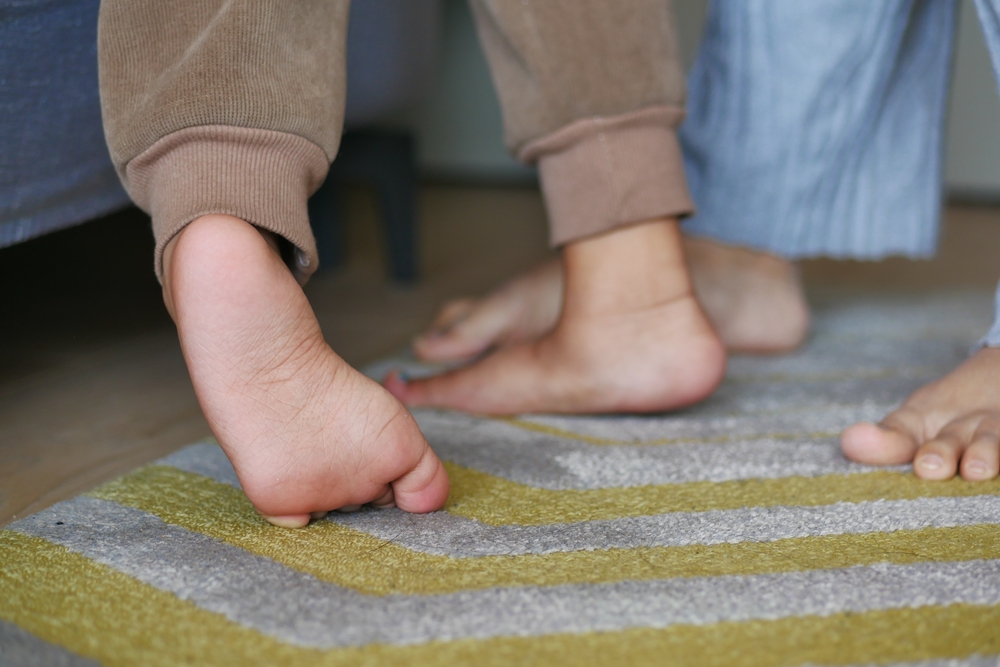
Causes of In-Toeing
Most in-toeing in young children doesn’t need treatment and improves naturally, but it’s worth having assessed if:
- The in-toeing seems severe or is affecting balance and increasing falls
- There's no improvement, or it appears to be worsening, as the child gets older
- One side is noticeably more affected than the other
- You're simply unsure and would like reassurance or a clear timeline for what to expect
Get Your Foot Properly Assessed
In-Toeing Assessment at Emerald Hill
Because most in-toeing resolves naturally with growth, treatment is often about monitoring and support rather than correction.
Options include:
- Gait Assessment — identifies where the rotation is coming from and how it's affecting your child's walking pattern
- Exercises and Activity Guidance — supports healthy leg development and may help reduce contributing habits, such as certain sitting positions
- Monitoring Through Growth — periodic review to track whether the in-toeing is following a normal resolving pattern or needs further attention
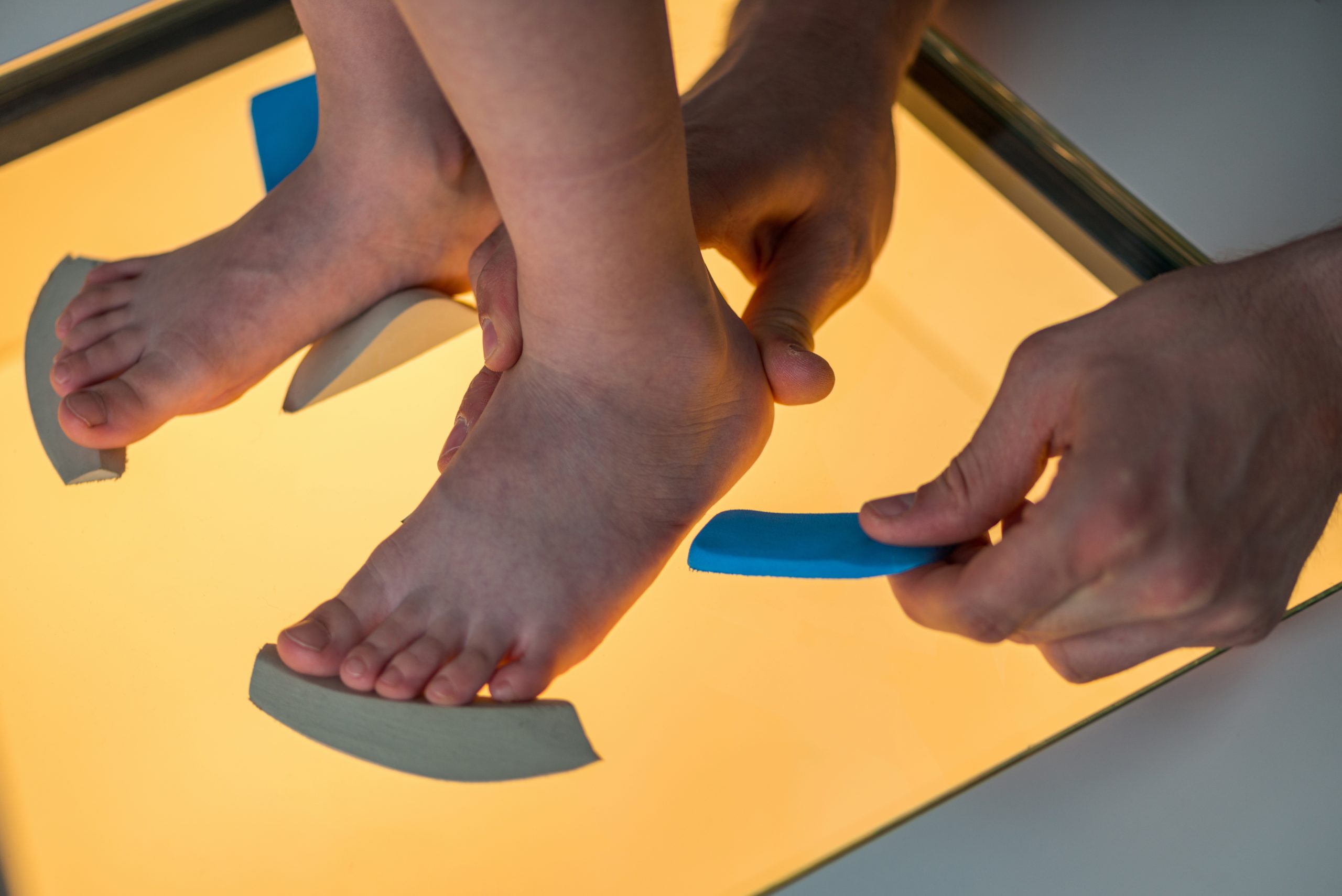
What to Expect at Your Assessment
Your podiatrist examines your child’s foot, leg rotation, and walking pattern to identify the likely cause of the in-toeing and where it’s occurring. In most cases, this gives parents a clear picture of what to expect and reassurance that it will improve with time, with a follow-up plan if closer monitoring is needed.


