



Diabetic Foot Ulcers
Diabetic foot ulcers are one of the most serious complications we manage at Emerald Hill Podiatry, precisely because they can progress quickly and quietly in patients who have reduced sensation in their feet. Early detection and consistent wound care make an enormous difference to outcomes, which is why our podiatrists combine regular screening with hands-on treatment for patients managing diabetes.
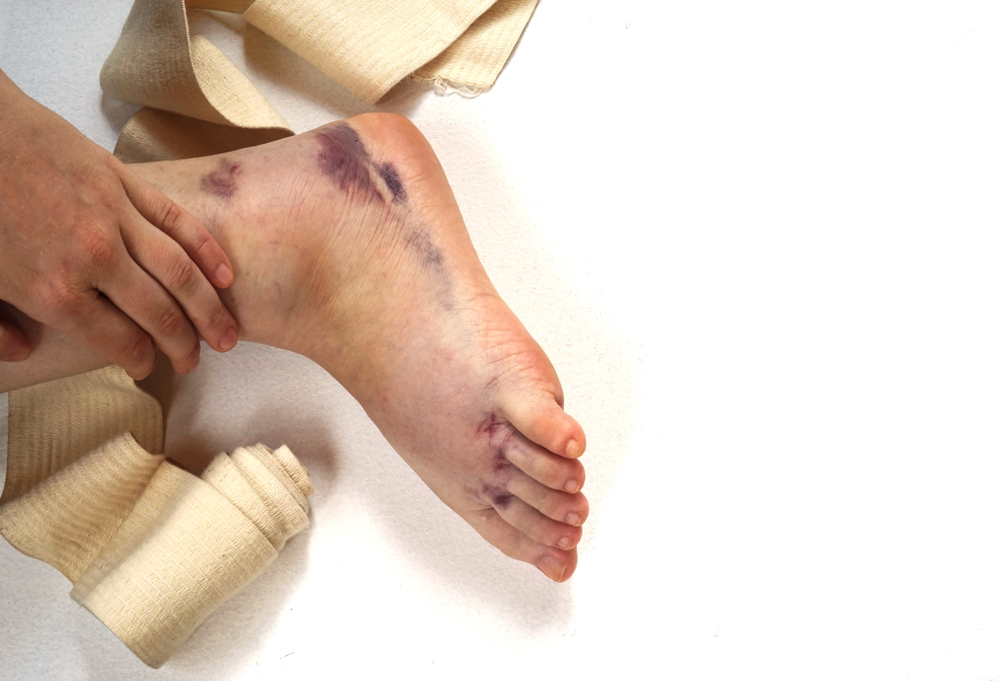
A diabetic foot ulcer is an open sore or wound that develops on the foot, most commonly on the sole, heel, or over a bony prominence, in people with diabetes. It typically begins as a small area of skin breakdown, often from minor, unnoticed trauma such as pressure from footwear, a small cut, or a blister, but progresses more readily and heals more slowly than a similar wound would in someone without diabetes. Left unmanaged, a diabetic foot ulcer can deepen, become infected, and in severe cases threaten the affected limb.
Diabetes affects the feet in several ways that make ulcers both more likely to form and harder to heal:
Together, these factors mean a wound that would heal quickly in most people can persist for weeks or months in someone with diabetes, and can worsen rapidly if not properly managed.
Diabetic foot ulcers are considered a serious medical concern because of how easily they can progress to deeper tissue and bone infection without causing significant pain, due to the reduced sensation that often accompanies diabetes. An infected ulcer that isn’t caught and treated early can lead to more serious complications, including hospitalisation or, in severe cases, amputation of the affected toe, foot, or limb.
This is why regular foot checks and prompt attention to any wound, however minor it may seem, are such a critical part of diabetes management.
If you have diabetes, see a podiatrist:
Get Your Foot Properly Assessed
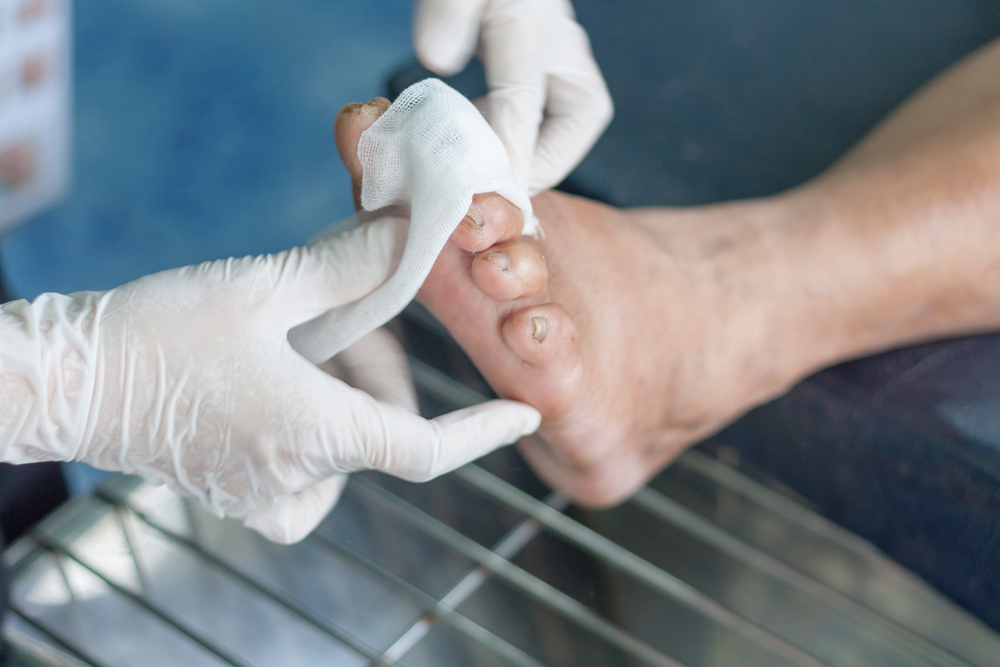
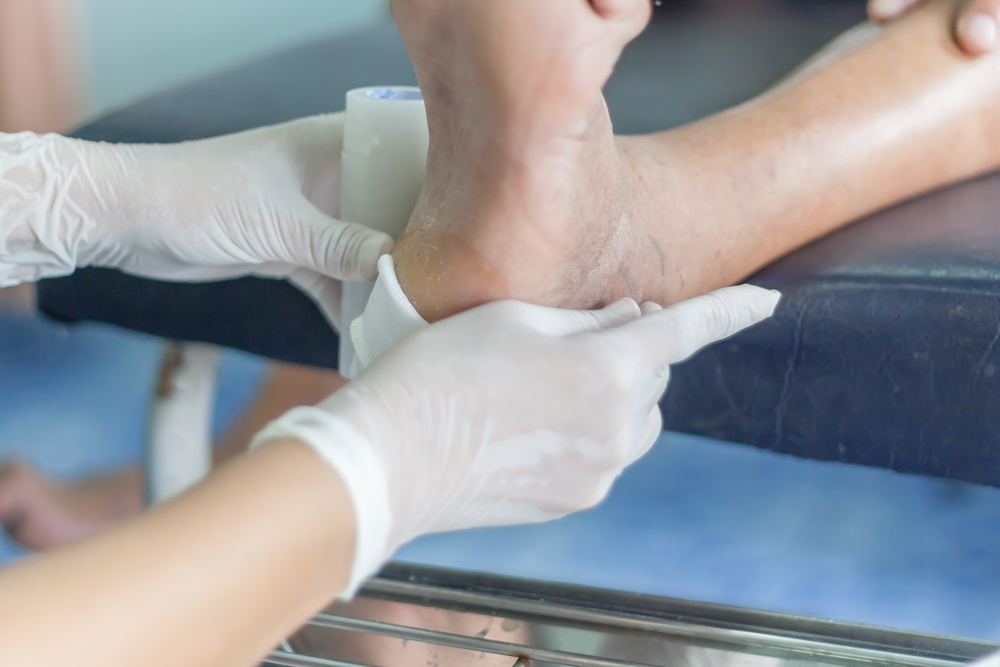
Treatment focuses on healing the wound, managing infection risk, and reducing pressure on the affected area to prevent recurrence.
Options include:
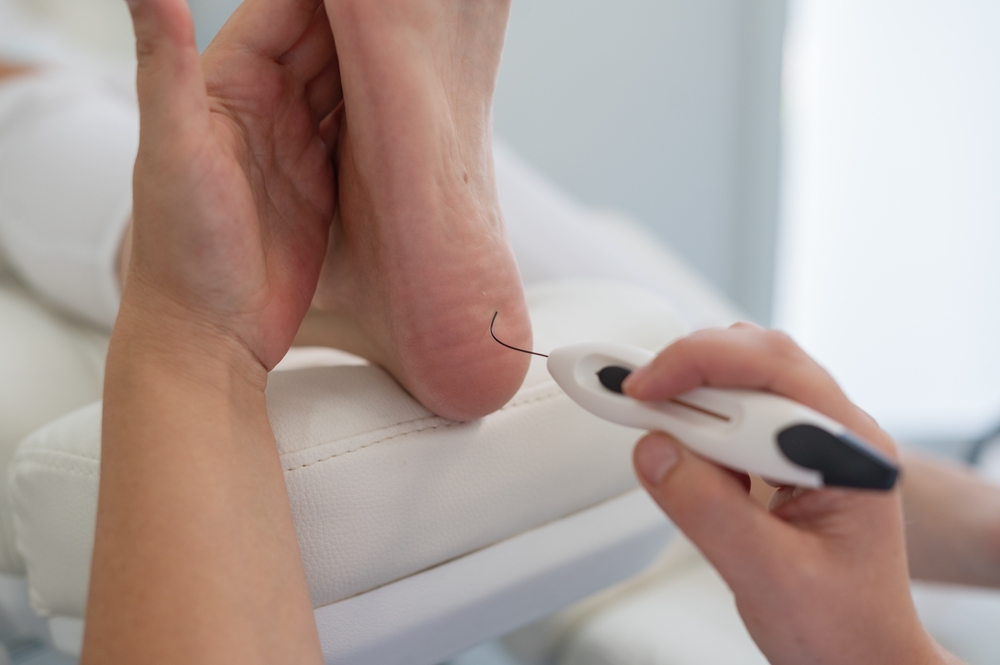
Your podiatrist examines the wound, assesses circulation and sensation in the foot, and determines the appropriate level of care based on the depth and severity of the ulcer. For patients with diabetes, ongoing screening between wounds is just as important as treating an active ulcer, since it’s the earliest opportunity to catch problems before they progress.


