


Heel Spurs
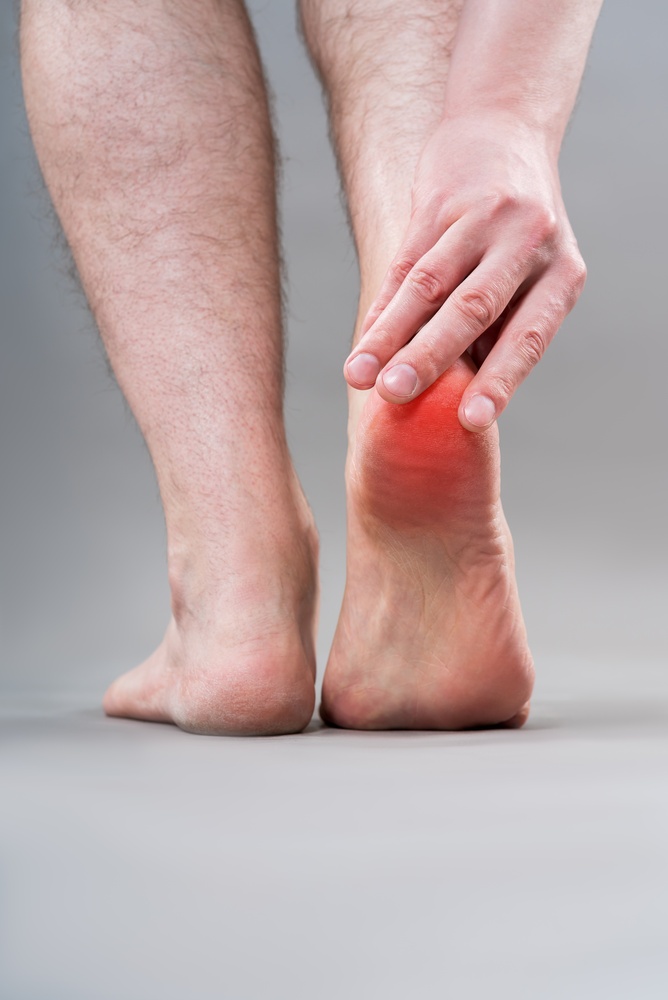
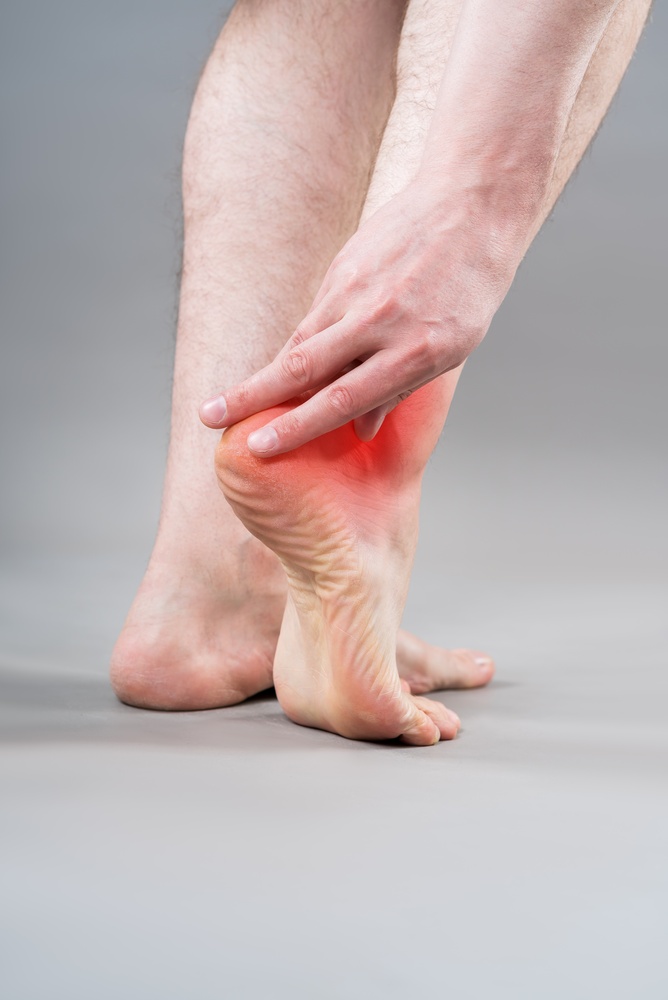
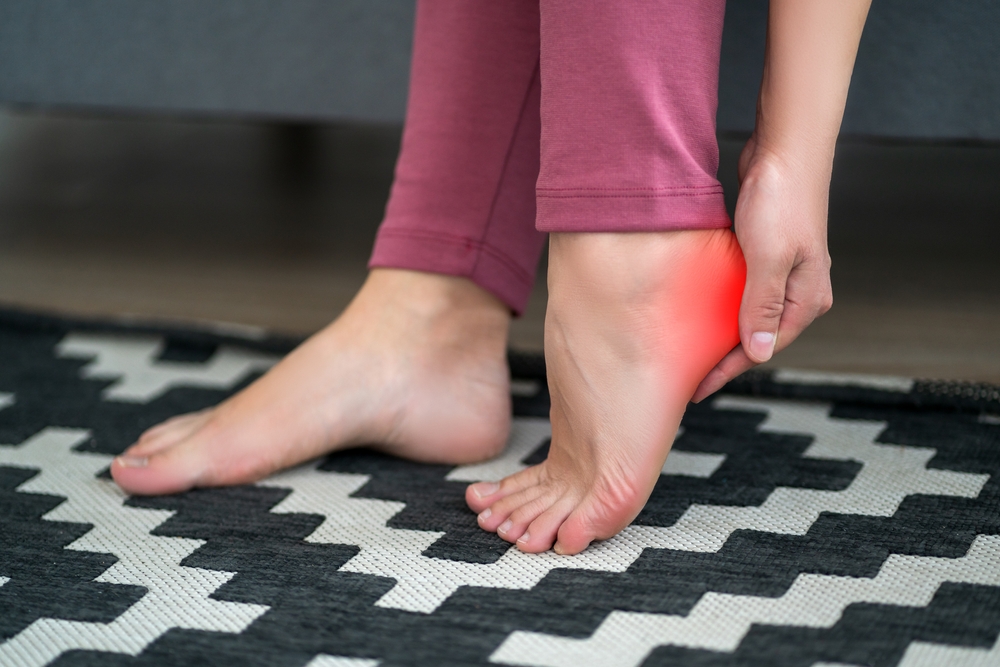
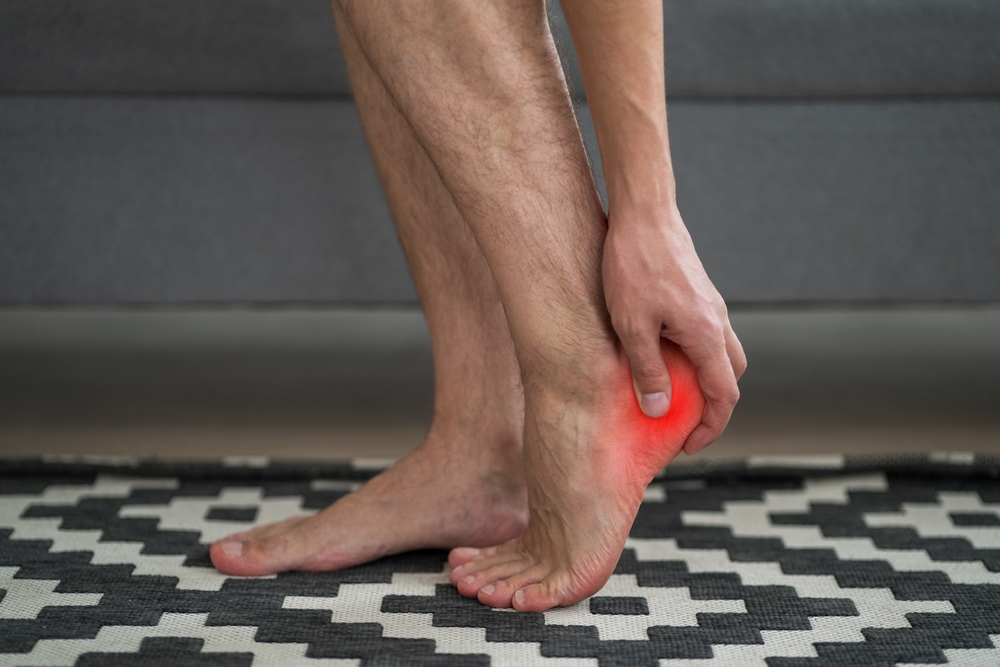
A heel spur is a bony growth on the underside of the heel bone, often found alongside and mistaken for plantar fasciitis. While the spur itself is rarely the true source of pain, the inflammation around it can be.
At Emerald Hill Podiatry, we look past the X-ray finding to identify what’s actually driving your heel pain, then treat the cause directly rather than the spur alone.
A heel spur (calcaneal spur) is a bony outgrowth that forms where the plantar fascia or Achilles tendon attaches to the heel bone, from calcium building up in response to repeated pulling over months or years. Most are flat, shelf-like projections rather than sharp spikes, and many people have them without any pain at all.
When pain is present, it’s usually inflammation in the surrounding soft tissue, most often the plantar fascia, not the spur itself, which is why heel spurs are so often linked with plantar fasciitis.
Heel spurs most commonly form in two locations:
Pain typically comes from soft tissue inflammation around the spur, or from direct rubbing against footwear in more prominent cases.
Treating the spur alone rarely resolves the pain, since the inflamed tissue around it also needs addressing.
Because heel spurs often mimic or coexist with other causes of heel pain, self-diagnosis is unreliable.
Find Out What's Really Causing Your Heel Pain
Surgical removal is uncommon and reserved for cases that haven’t responded to anything else. Instead, treatment focuses on calming the inflamed soft tissue and correcting the mechanical strain that caused the spur to form.
Options include:
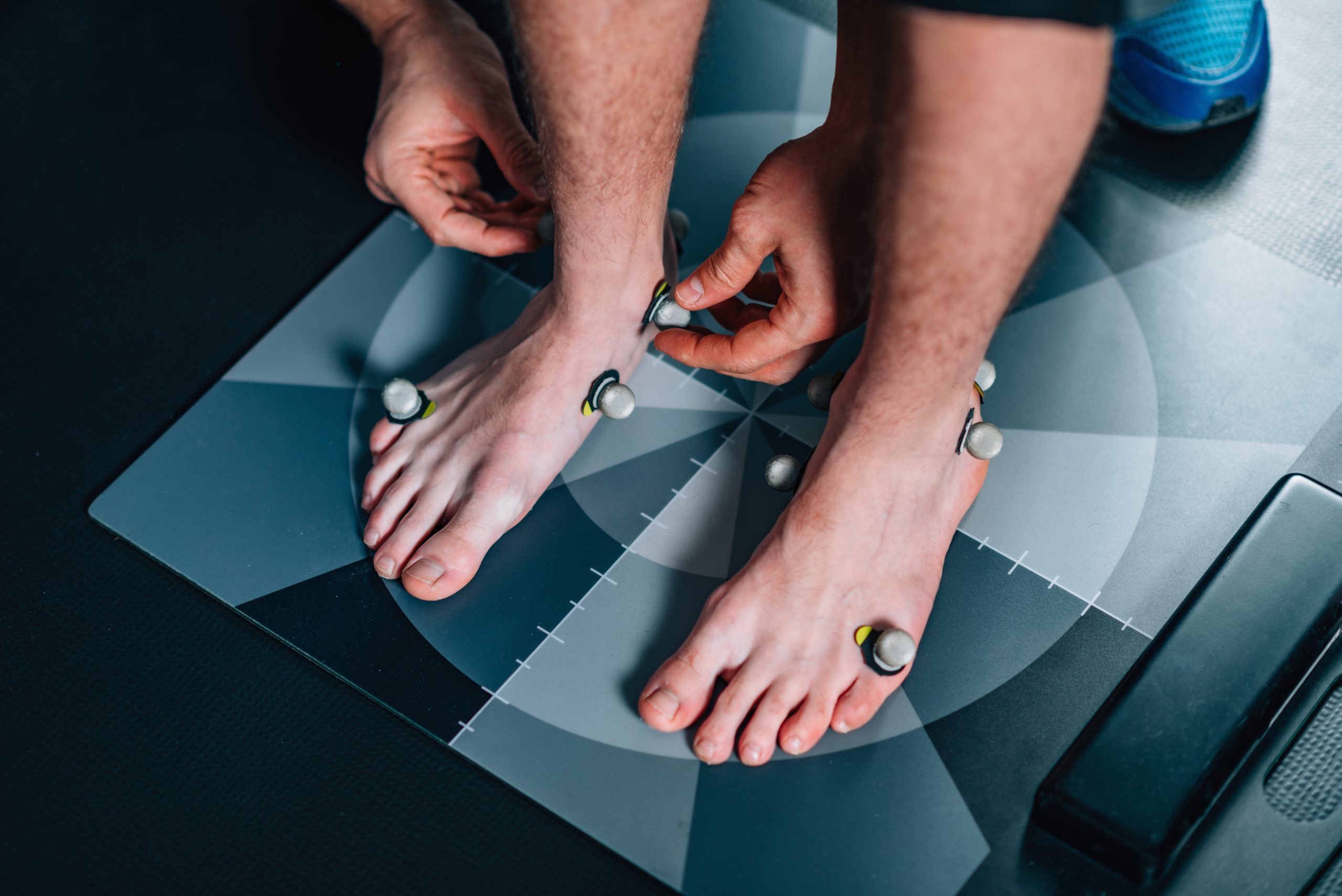
Your podiatrist reviews your pain history, footwear, and activity levels, examines your foot structure and gait, and arranges an X-ray if needed to confirm the spur, though the clinical picture guides treatment more than imaging alone. From there, you’ll be walked through the right treatment mix for your case, with your plan adjusted as symptoms improve.


