






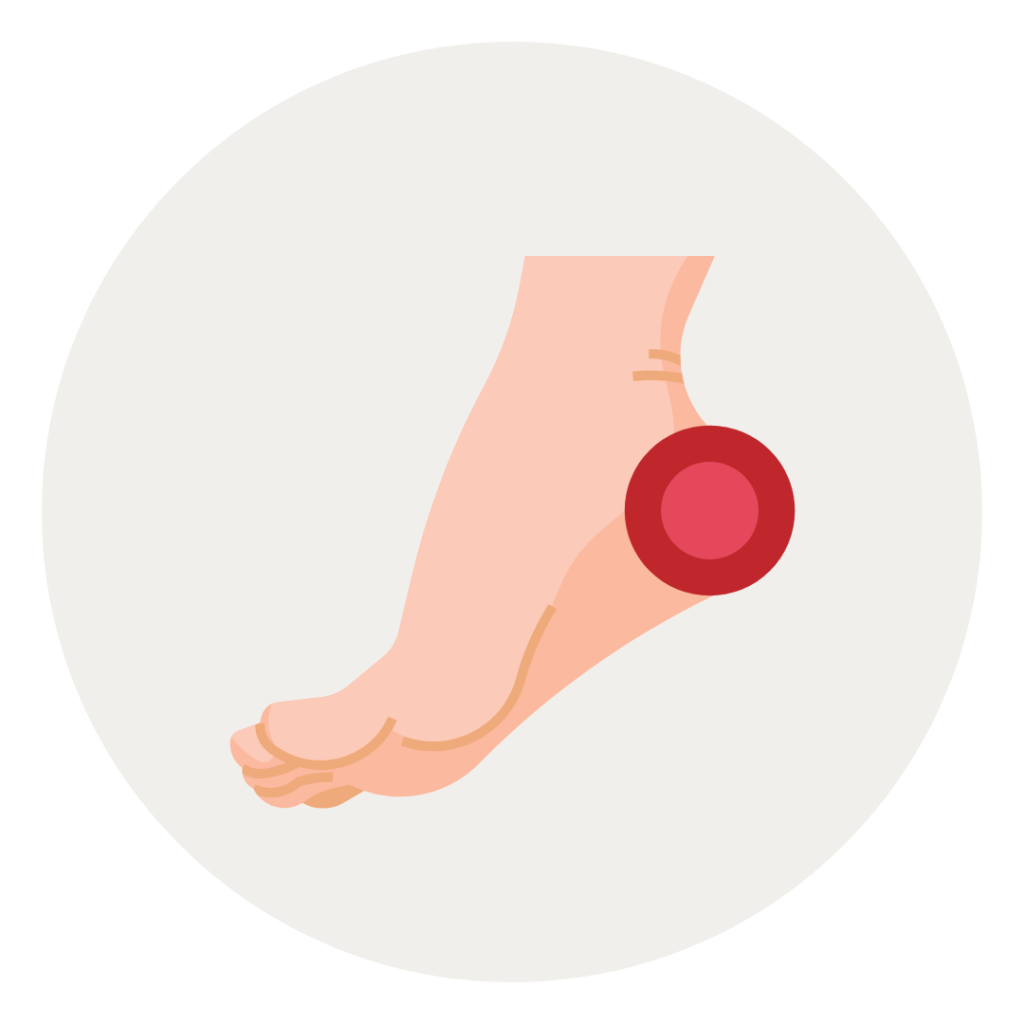
Plantar Fasciitis
Plantar fasciitis is one of the most common causes of heel pain, marked by a sharp, stabbing sensation under the heel that’s often worst with your first steps in the morning.
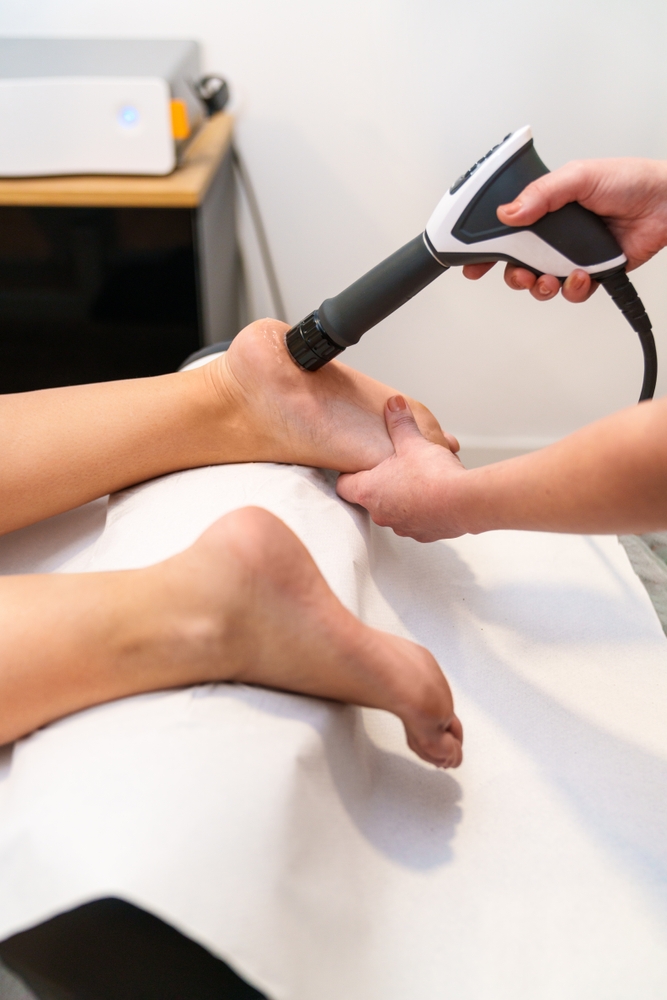
At Emerald Hill Podiatry, we assess the underlying cause of your heel pain and build a treatment plan around it, from conservative care to shockwave therapy and custom orthotics.
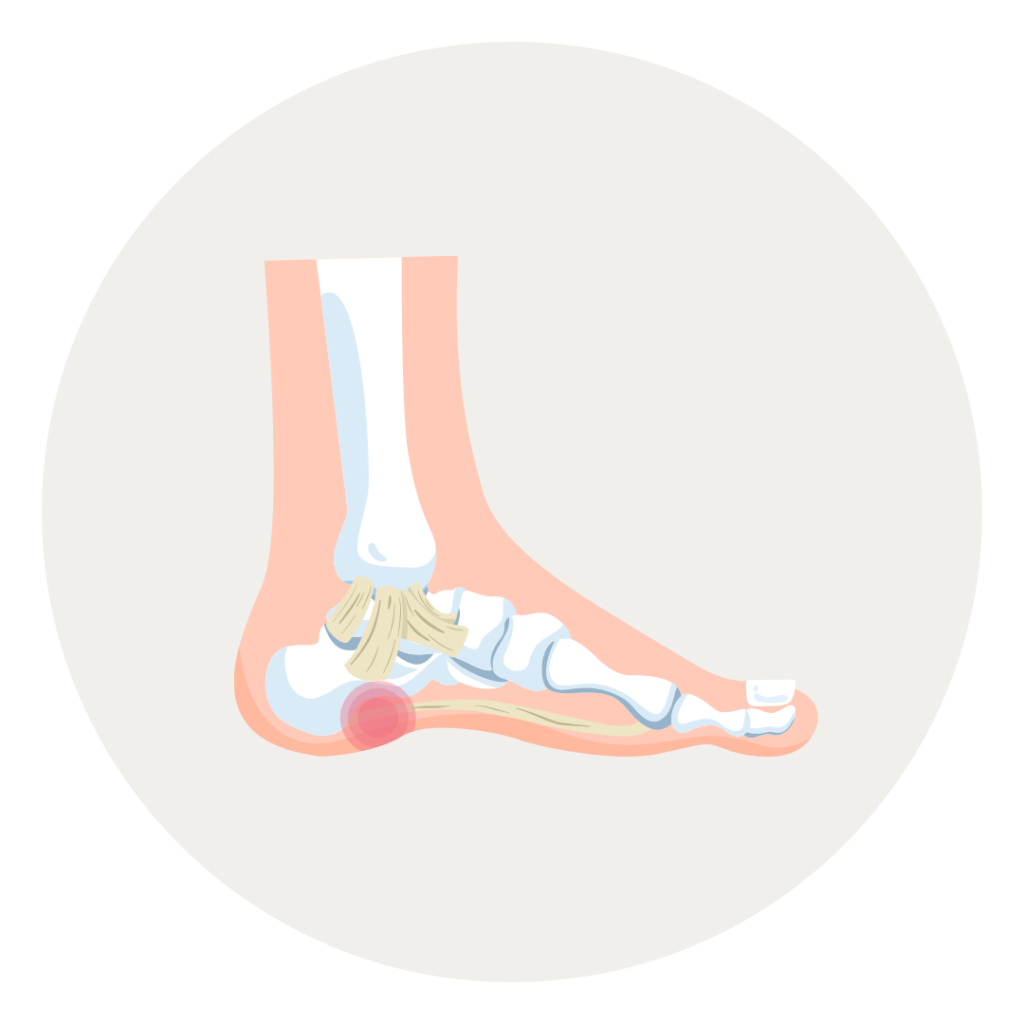
Plantar fasciitis is irritation and micro-tearing of the plantar fascia, the thick band of tissue running along the bottom of the foot from heel to toes, which absorbs shock and supports your arch. Repeated strain causes small tears where it attaches to the heel, leading to inflammation and the sharp, localised pain that defines the condition.
It’s one of the most common conditions we see in clinic, affecting everyone from office workers to high-mileage runners, and left untreated, tends to become chronic.
Plantar fasciitis develops when the plantar fascia is loaded beyond what it can comfortably absorb and repair. Common contributing factors include:
Mild, recent heel pain sometimes settles with rest and supportive footwear, but untreated plantar fasciitis tends to worsen and become harder to resolve. See a podiatrist if:
An accurate diagnosis early on is usually the fastest route to lasting relief.
Get Your Heel Pain Properly Assessed
Most cases respond well to a staged approach: calm the irritated tissue first, then correct the mechanics that caused it. Options include:
Your podiatrist reviews your symptoms and activity, examines your foot structure and gait, then walks you through the right treatment mix for your case, adjusting as you improve.


