
Osgood Schlatter Disease
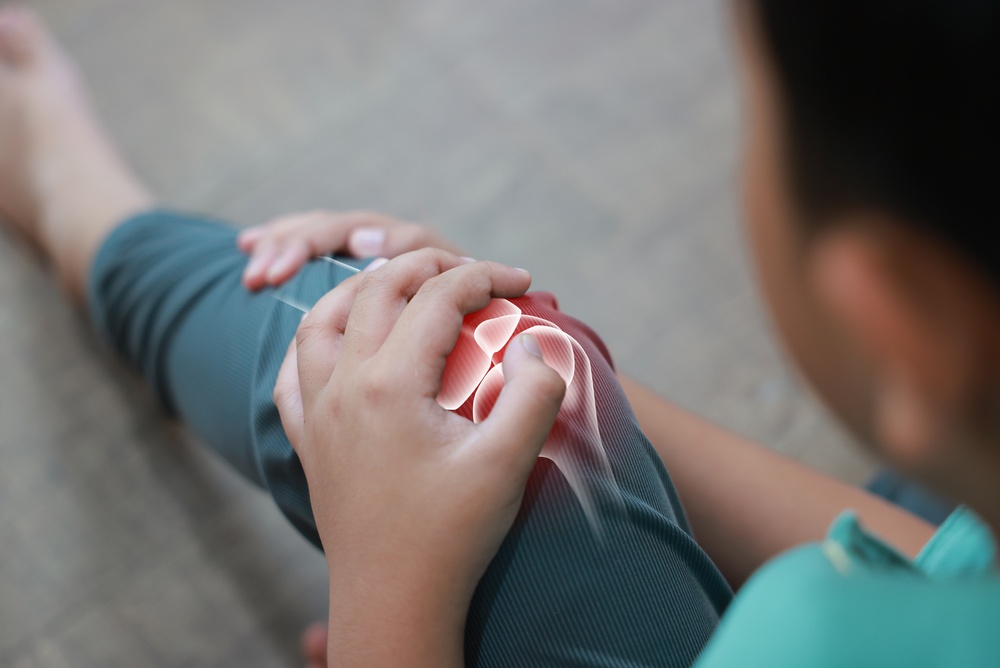
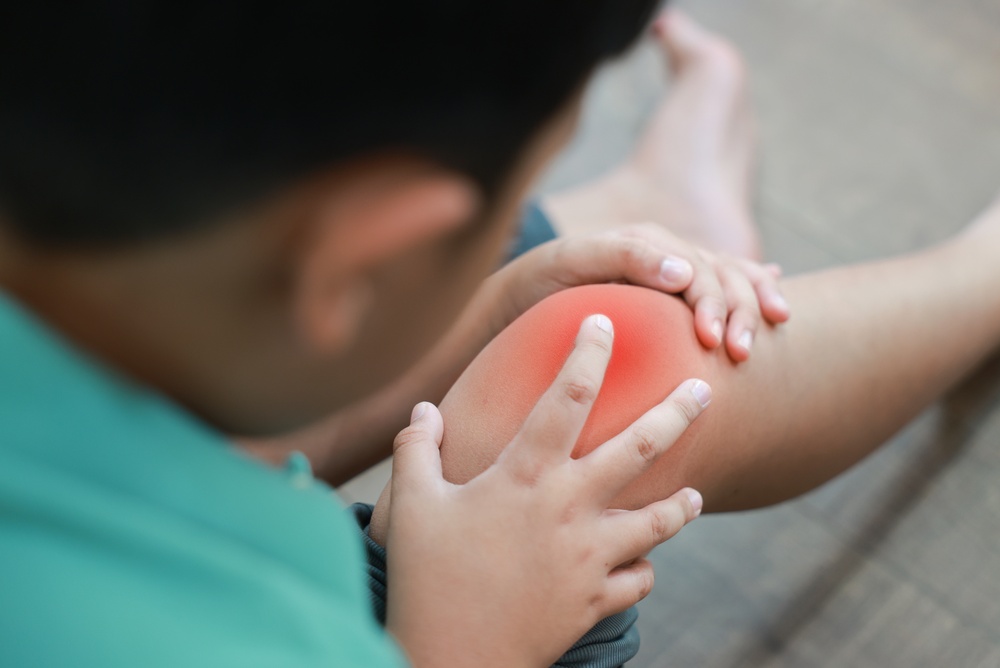
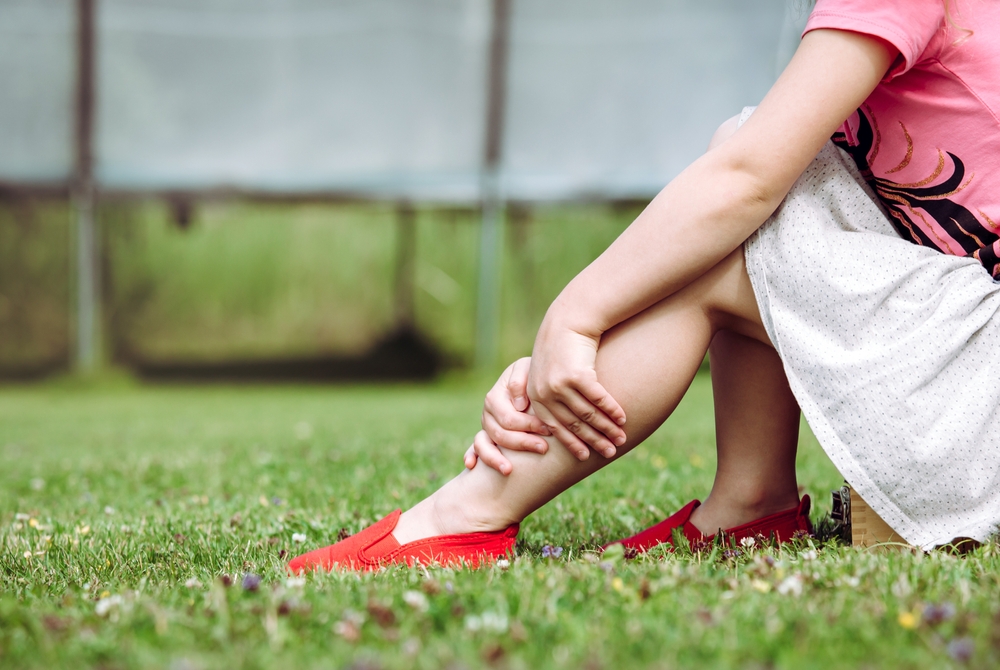
Osgood Schlatter disease is another common growth-related condition seen in active children and teens, causing pain just below the kneecap that tends to flare up with sport and settle with rest. While it’s a knee condition, foot mechanics and lower limb alignment play a real role in how much strain reaches the growth plate, which is why our podiatrists at Emerald Hill Podiatry are often part of managing it alongside a child’s broader care team.
Osgood Schlatter disease is a painful inflammation of the growth plate at the top of the shin bone, just below the kneecap, where the patellar tendon attaches. Like Sever’s disease at the heel, it isn’t a true disease but a growth-related overuse injury, caused by repetitive tension on a growth plate that hasn’t yet fully matured.
It’s one of the most common causes of knee pain in growing children and adolescents, and typically resolves once the growth plate closes.
During a growth spurt, the thigh bone lengthens quickly, and the quadriceps muscle and patellar tendon it’s attached to can become relatively tight in comparison. Every time the knee bends and straightens during running, jumping, or squatting, that tendon pulls on the growth plate at the top of the shin.
Because this area is still developing and made of softer tissue than mature bone, repeated pulling causes irritation, inflammation, and in some cases a visible bony bump beneath the kneecap.
Osgood Schlatter disease most commonly affects children between the ages of 10 and 15, generally appearing slightly earlier in girls than boys, and becomes uncommon once the growth plate has fully matured.
It’s especially prevalent in children involved in sports with a lot of running, jumping, and sudden direction changes, such as basketball, football, volleyball, and gymnastics.
See a podiatrist if:
Get Your Osgood Schlatter Disease Properly Assessed
Because Osgood Schlatter disease resolves naturally as the growth plate matures, treatment focuses on managing pain and reducing the load on the knee in the meantime.
Options include:
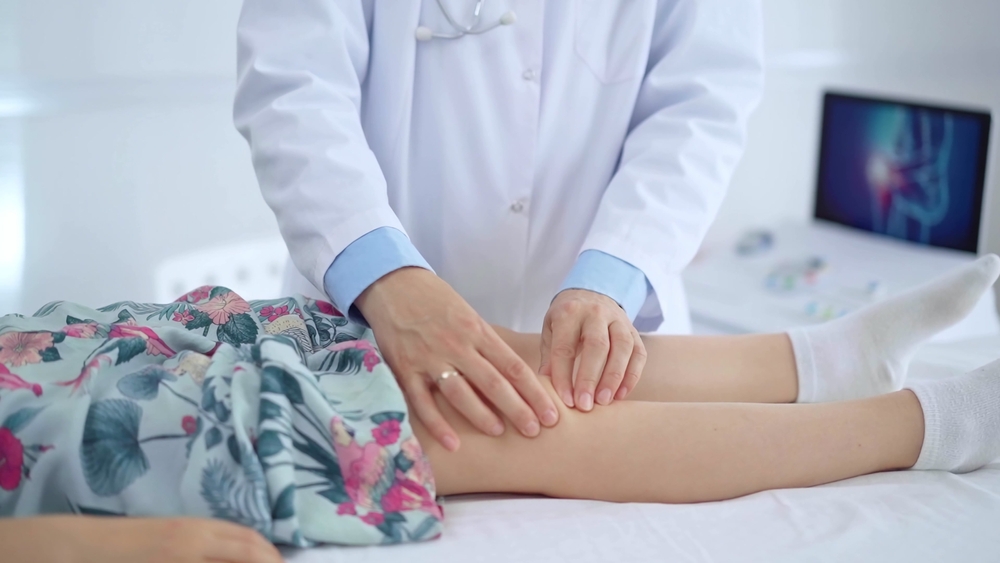
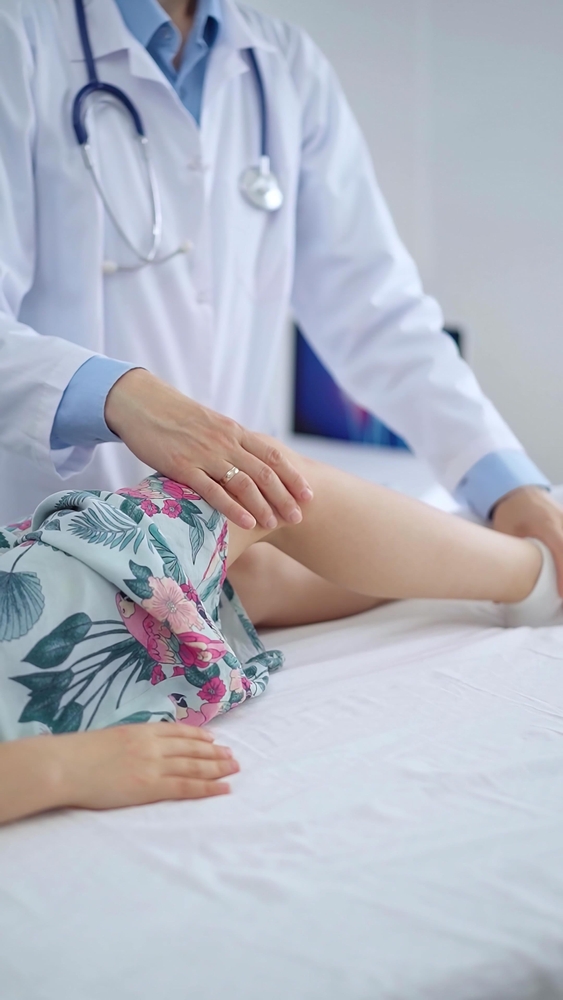
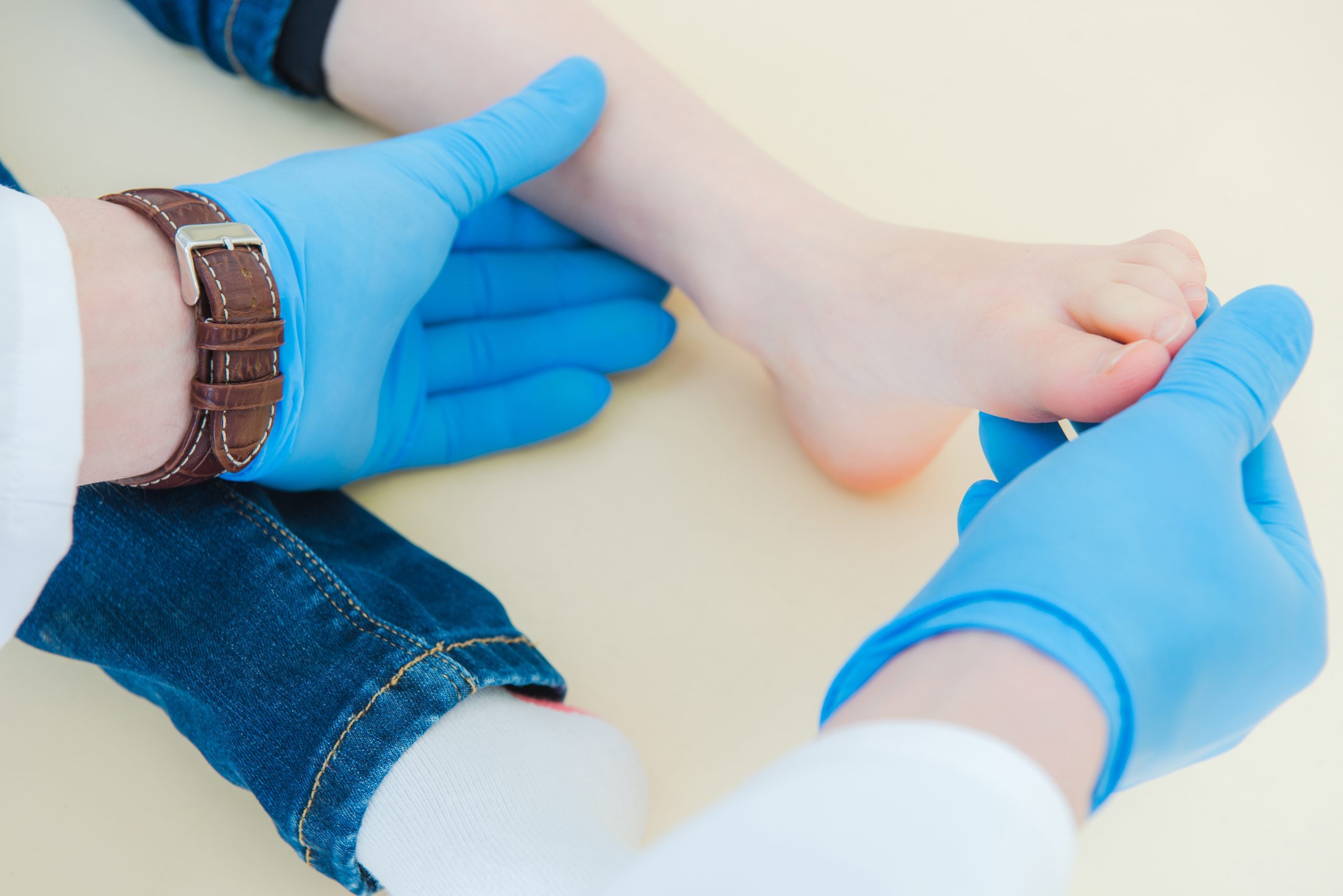
Your podiatrist examines your child’s knee, checks for tenderness and swelling at the growth plate, and assesses foot posture and gait for any mechanical factors adding extra strain on the knee. From there, a plan is set to manage pain and keep your child active and comfortable through the growth spurt.


