



Fungal Nail Infection
A fungal nail infection is one of the most common conditions we treat at Emerald Hill Podiatry, and one of the most stubborn to clear without the right approach. It can affect anyone, but it becomes more common with age, in humid climates like Singapore’s, and in people who spend a lot of time in shoes or damp communal spaces.
Our podiatrists diagnose the extent of the infection and combine in-clinic treatment with a plan to stop it coming back.
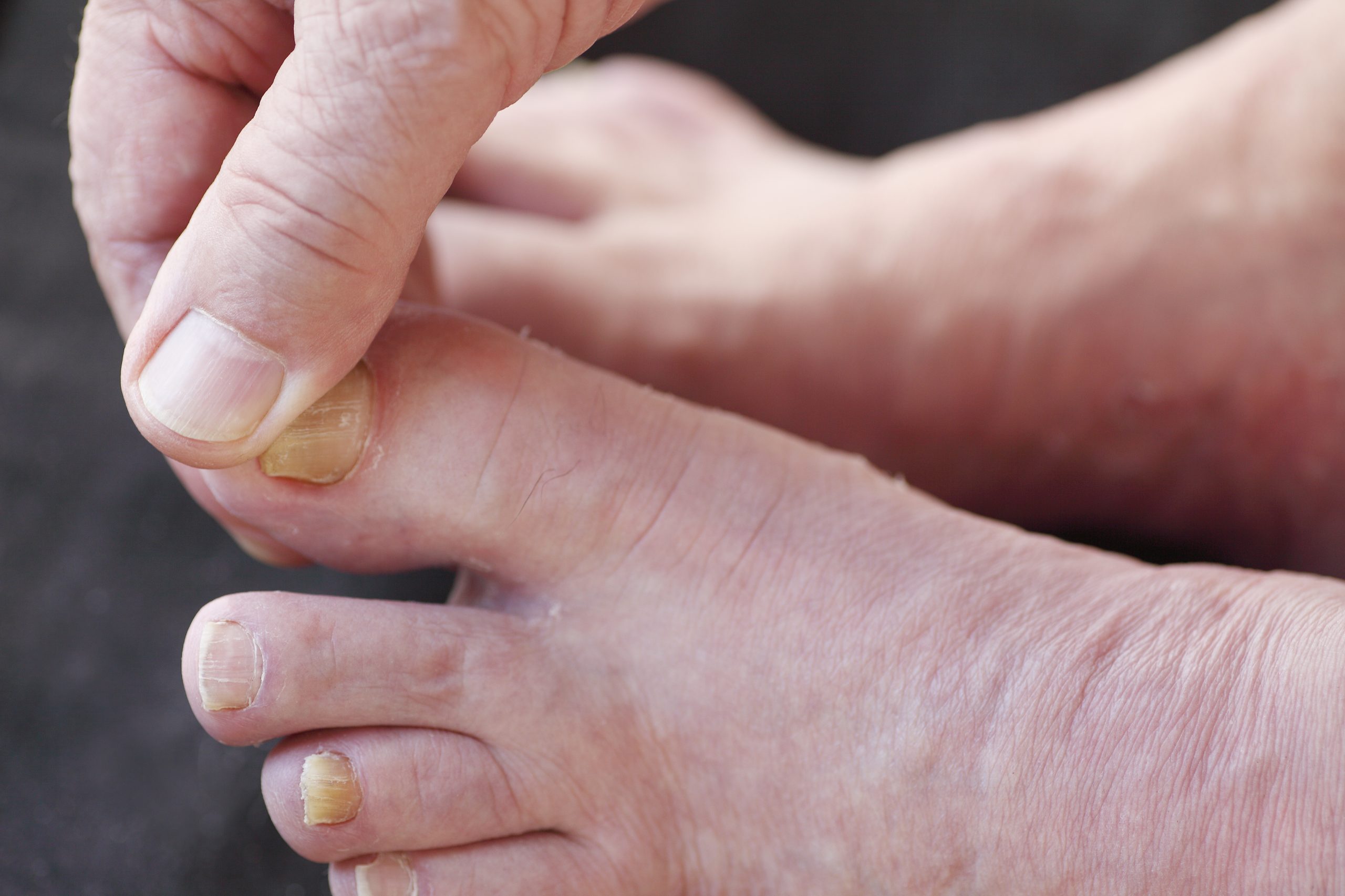
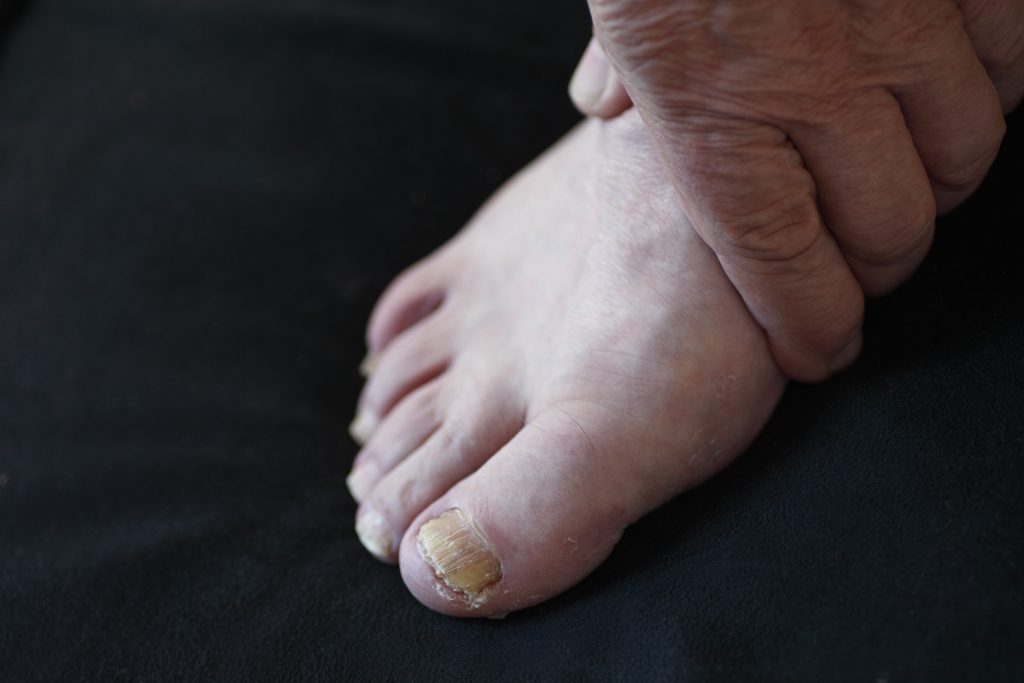
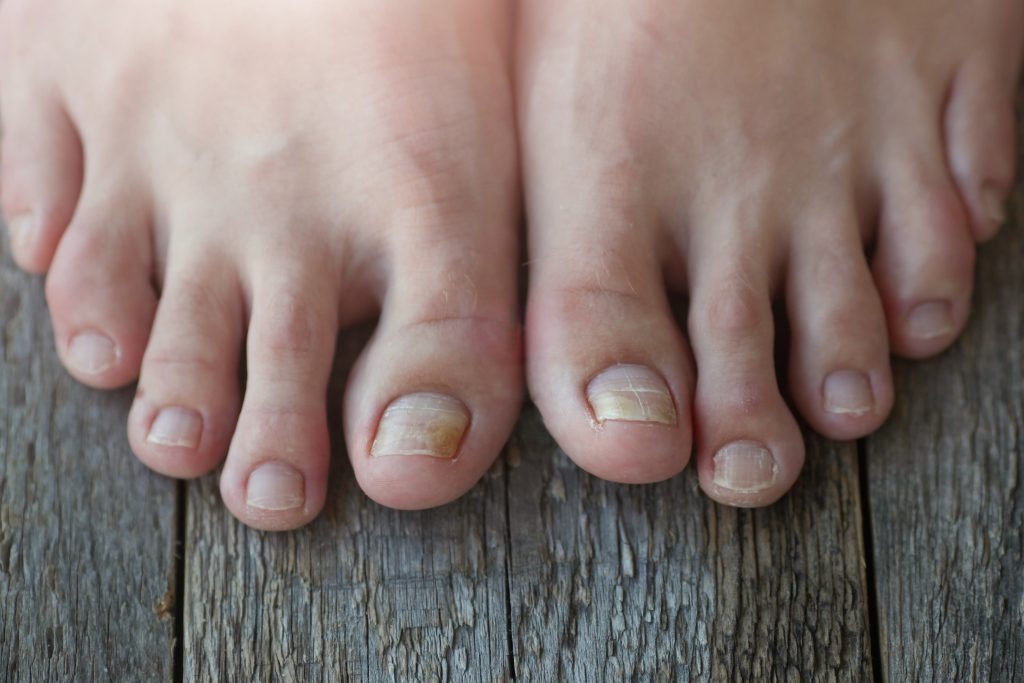
A fungal nail infection, medically known as onychomycosis or tinea unguium, occurs when fungi infect the nail, most often entering through a small crack in the nail or surrounding skin. The infection is most commonly caused by dermatophytes, a type of mould that feeds on keratin, the protein that makes up the hard structure of the nail. It affects toenails far more often than fingernails and, left untreated, tends to spread rather than resolve on its own.
Fungal nail infections are usually painless in the early stages, which is why many people delay treatment until the nail has visibly thickened or become difficult to manage.
Toenails are far more prone to fungal infection than fingernails for a few reasons. They’re enclosed in shoes for much of the day, creating a warm, dark, and often moist environment that fungi thrive in. They also grow more slowly than fingernails, giving an infection more time to take hold and spread before it’s noticed.
Reduced circulation to the feet, more common with age, and repetitive minor trauma from footwear or activity, such as micro-cracks in the nail, also make it easier for fungi to gain entry.
Fungal nail infections are contagious and spread easily in warm, moist environments. Common sources include:
See a podiatrist if:
Get Your Fungal Nail Infections Properly Assessed
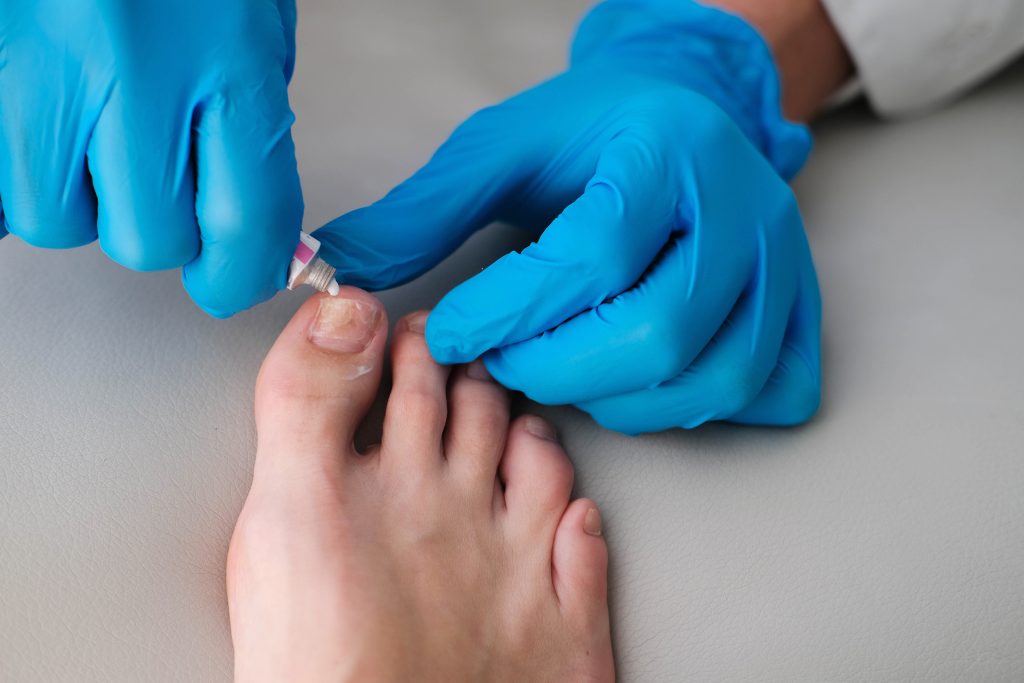
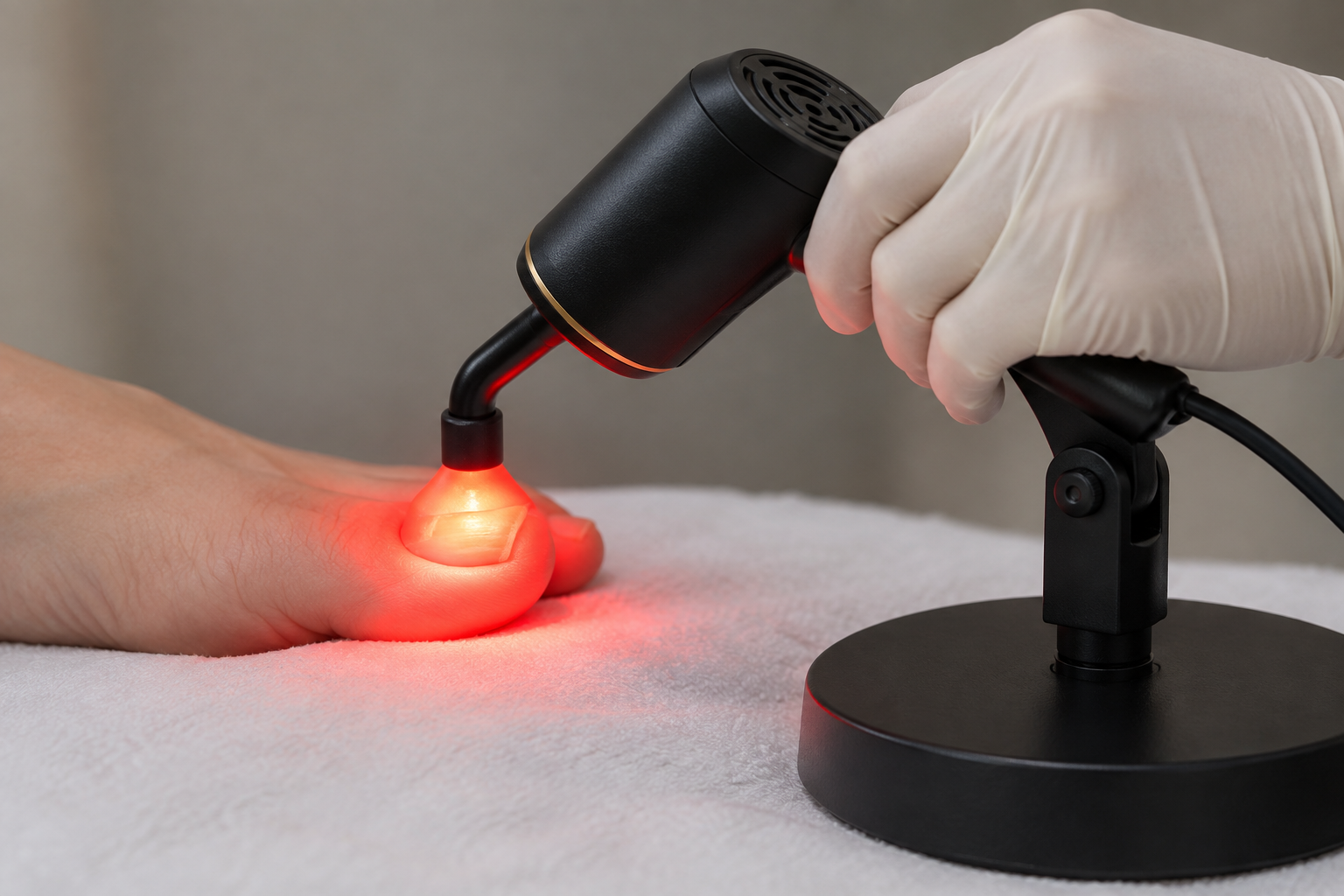
Fungal nail infections are notoriously slow to clear, and treatment is chosen based on how severe and widespread the infection is.
Options include:
Your podiatrist examines the affected nail and surrounding skin, and may take a sample to confirm the type of fungus involved before recommending treatment. Because fungal infections can resemble other nail conditions, an accurate diagnosis is the first step to effective treatment.


