





Flat Feet (Adult)
Flat feet in adulthood often develop gradually, and unlike flexible flat feet in children, adult-onset flat feet frequently point to an underlying issue that’s worth investigating.
At Emerald Hill Podiatry, we assess how and why your arch has changed, then treat the cause — whether that’s supporting the foot as it is, or addressing a developing tendon or joint problem before it progresses further.
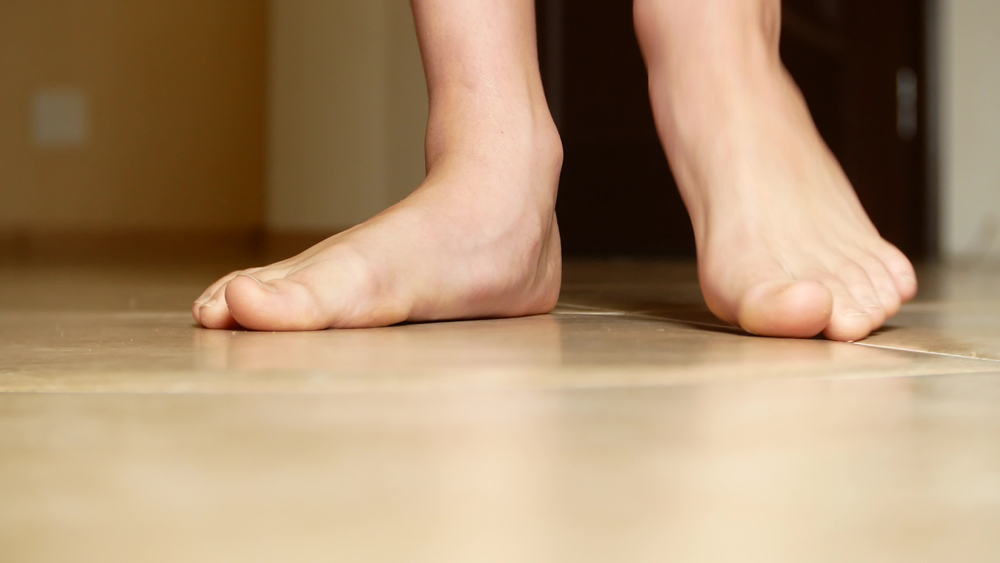
Flat feet (pes planus) describes a foot where the arch has flattened, sitting lower than normal or disappearing entirely when standing. This can present as a flexible flat foot, where the arch is visible off the ground but flattens under weight, or a rigid flat foot, where the arch stays flat regardless of position.
Some adults have had flat feet their whole lives without issue, a well-tolerated foot type rather than a condition. What we’re more focused on is adult-acquired flat foot, where a previously normal arch has flattened over time, most often linked to a specific underlying cause and needing a different approach than feet that have simply always been flat.
The most common driver is posterior tibial tendon dysfunction (PTTD). The posterior tibial tendon runs along the inside of the ankle and is one of the main structures supporting the arch.
When it weakens, becomes inflamed, or degenerates from repetitive strain, it can no longer hold the arch up, and the foot gradually collapses inward.
Other contributing factors include:
You should see a podiatrist if:
Catching adult-acquired flat foot early generally leads to a far better outcome than addressing it once significant collapse has occurred.
Get Your Arch Properly Assessed
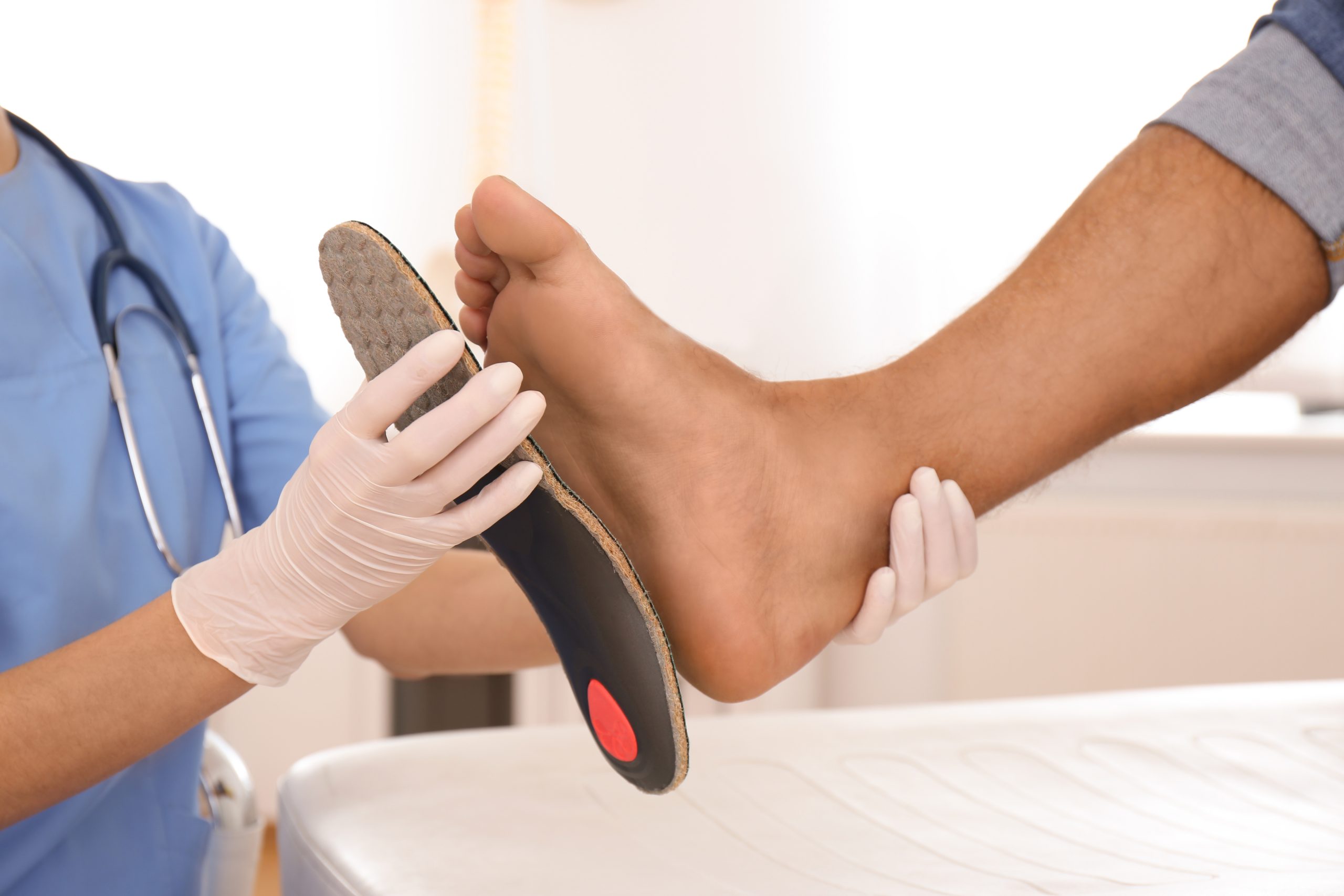
Treatment depends heavily on what’s driving your flat feet and how far it’s progressed, a longstanding, well-tolerated flexible flat foot is managed very differently from an early-stage tendon problem. Options include:
Your podiatrist reviews when you first noticed changes to your foot shape, examines arch flexibility and tendon tenderness, and observes your gait to assess the degree of arch collapse. Imaging such as X-ray, ultrasound, or MRI may be used for more advanced cases. From there, you’ll be walked through a treatment plan suited to your stage, with ongoing review since flat feet, particularly PTTD-related cases, benefit from regular reassessment.


