
Sever’s Disease
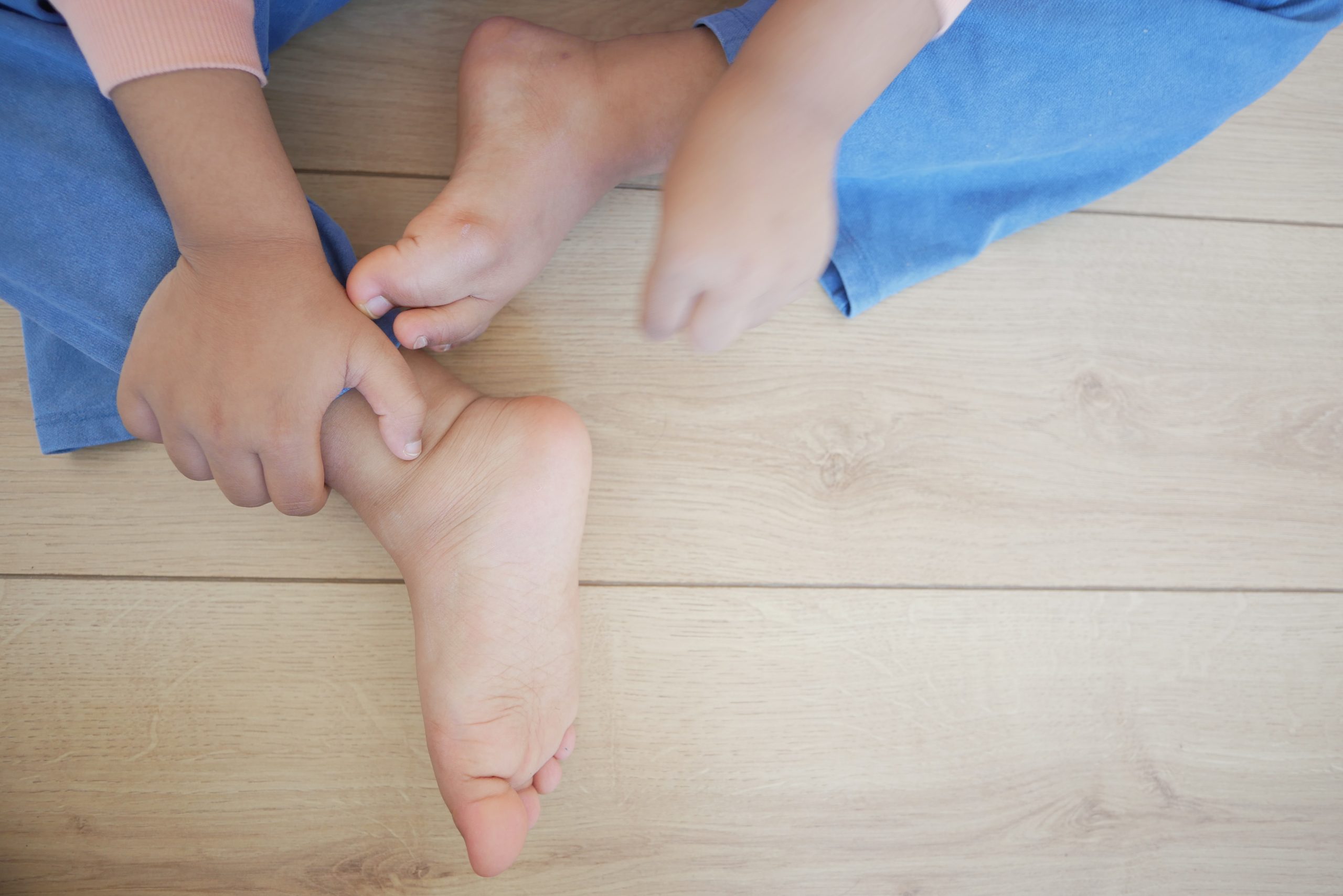
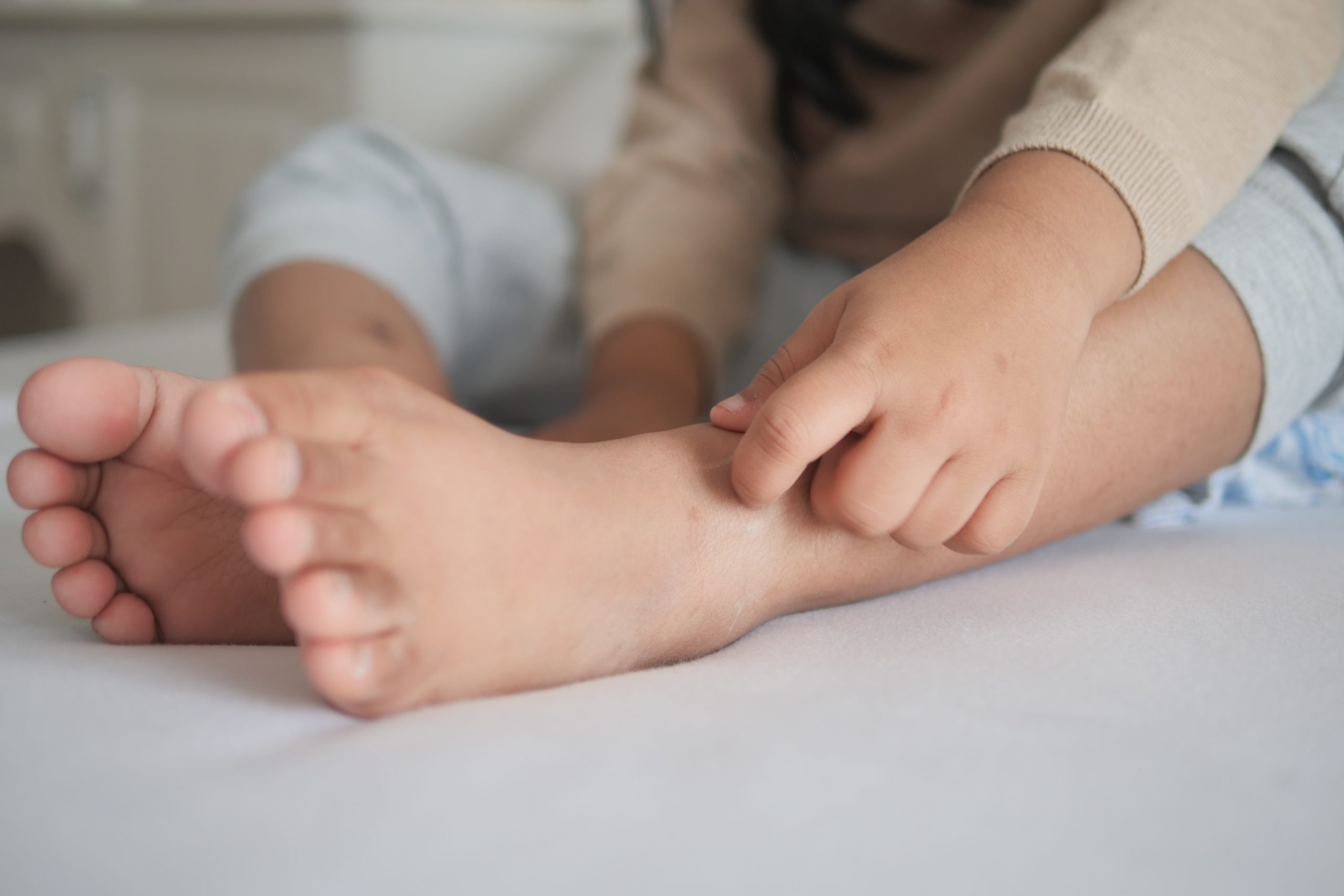
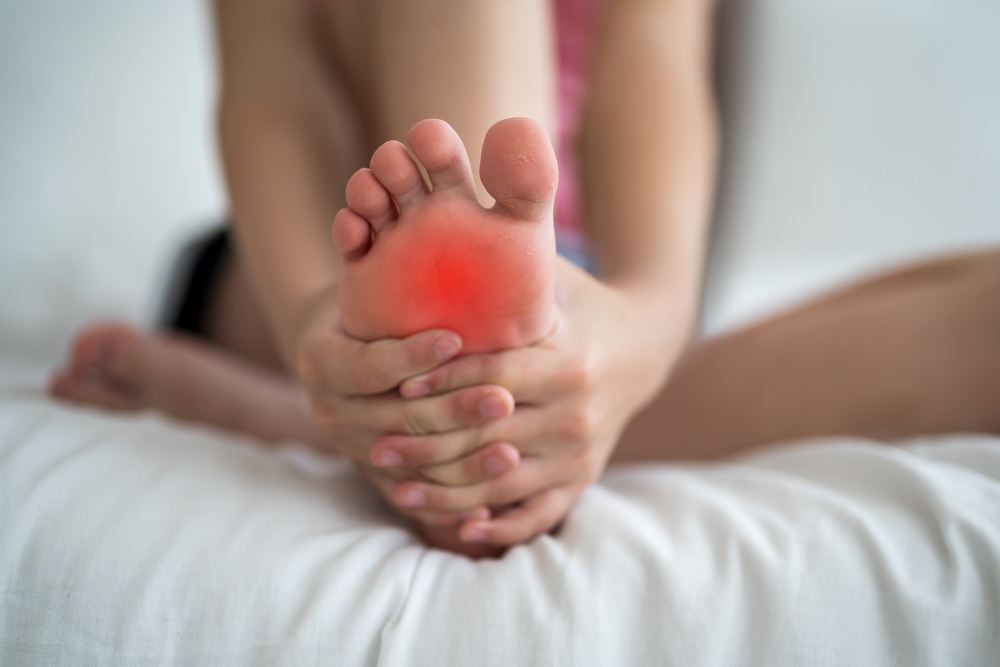
Sever’s disease is one of the most common causes of heel pain in active children, and often the reason parents bring in a sporty child who’s suddenly started limping or avoiding activities they used to love.
At Emerald Hill Podiatry, we see this frequently during growth spurts, and our podiatrists help manage the pain so kids can stay active without making the underlying irritation worse.
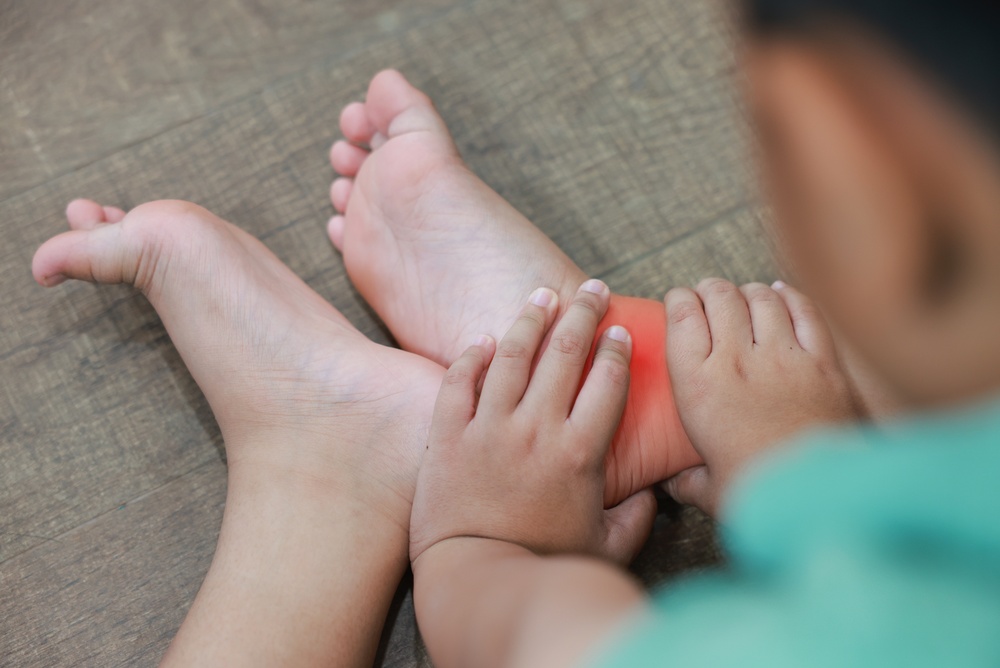
Sever’s disease, medically known as calcaneal apophysitis, is a painful inflammation of the growth plate at the back of the heel bone, where the Achilles tendon attaches. Despite the name, it isn’t a true disease, it’s an overuse injury that occurs during periods of rapid growth, most commonly in physically active children between the ages of 8 and 14.
During a growth spurt, bones tend to lengthen faster than the muscles and tendons around them can keep up. This mismatch leaves the calf muscles and Achilles tendon relatively tight, pulling more forcefully on the heel’s growth plate with every step, jump, or run. Because the growth plate is made of softer cartilage rather than mature bone, it’s more vulnerable to this repetitive tension, and the constant pulling leads to inflammation and pain.
Sever’s disease typically affects children between 8 and 14 years old, slightly earlier in girls than boys, and becomes rare once the heel’s growth plate has fully matured, usually by around age 15. It’s especially common in children involved in running and jumping sports, such as football, basketball, gymnastics, and track and field, and can affect one or both heels at the same time.
Watch this short video for a clear overview of what’s happening in the heel and why it’s more common during growth spurts: What Is Sever’s Disease (Heel Pain in Teenagers) and What Causes It?
See a podiatrist if:
Get Your Sever's Disease Properly Assessed
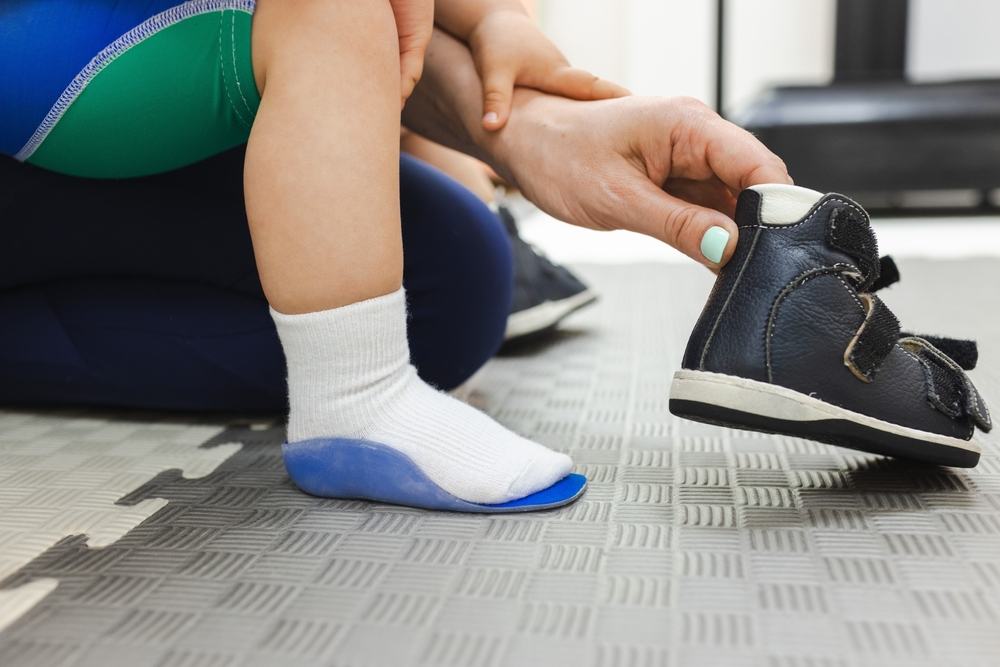
Because Sever’s disease resolves on its own once the growth plate matures, treatment focuses on easing pain and reducing strain on the heel in the meantime.
Options include:
Your podiatrist examines your child’s heel, checks for tenderness with the squeeze test, and assesses calf and Achilles tightness alongside their gait. Because Sever’s disease is diagnosed clinically, imaging is rarely needed unless another cause of heel pain is suspected. From there, a plan is set to manage pain and keep your child comfortably active through the growth spurt.


