



Knock Knees
Knock knees, where a child’s knees angle inward and touch while the ankles remain apart, is one of the more visually noticeable developmental patterns parents notice as their child grows.
At Emerald Hill Podiatry, we assess it in the context of normal childhood development, since most cases are a passing phase, while keeping an eye out for the cases that benefit from closer monitoring or support.
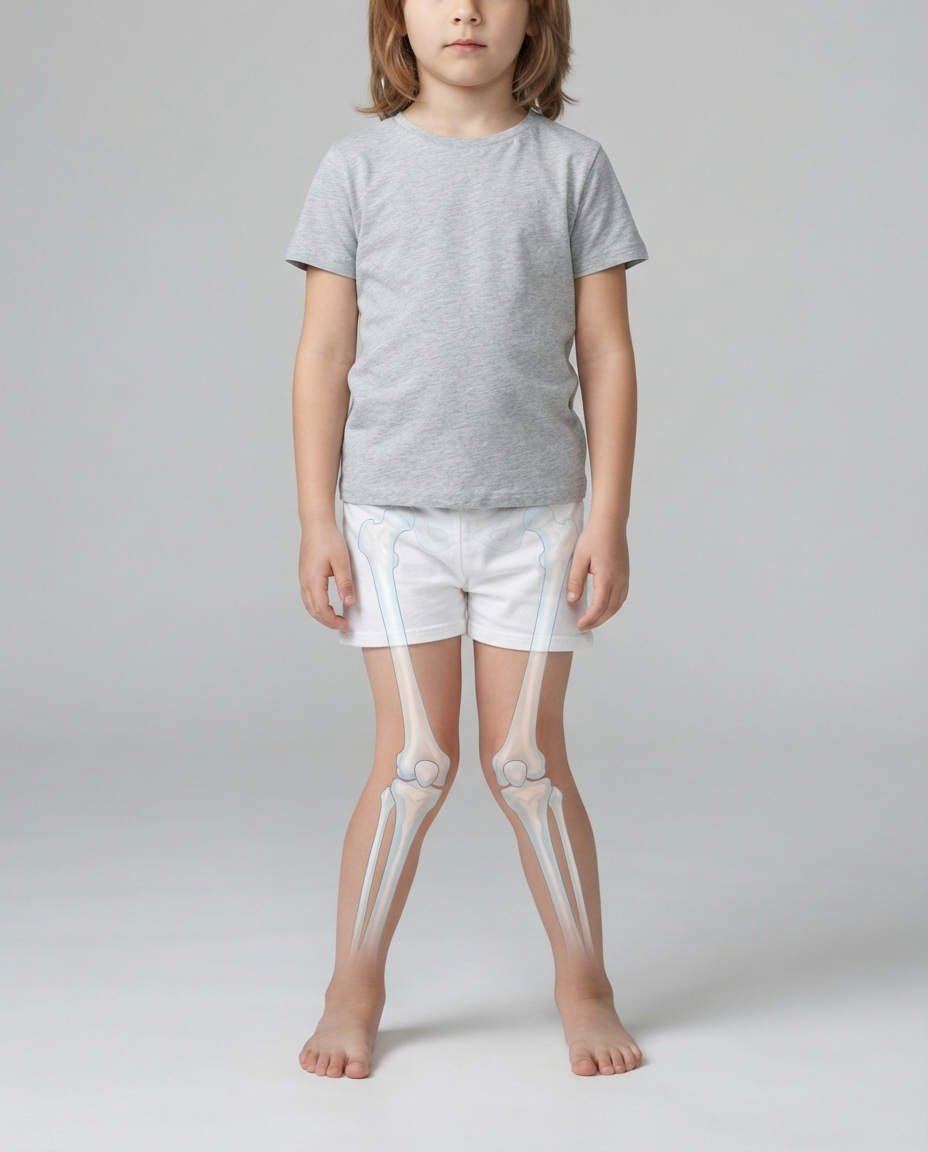
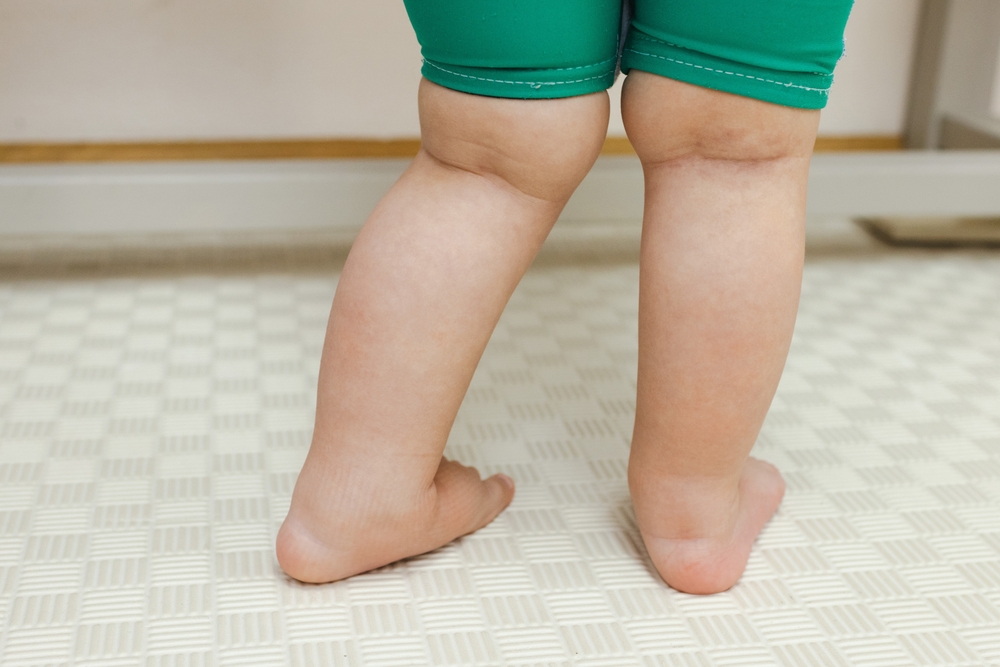
Knock knees, medically known as genu valgum, describes a leg alignment where the knees angle inward toward each other, so that when a child stands with their knees together, there’s a noticeable gap between the ankles. It’s a very common and typically normal part of leg development in young children, and in most cases straightens out gradually as the child grows.
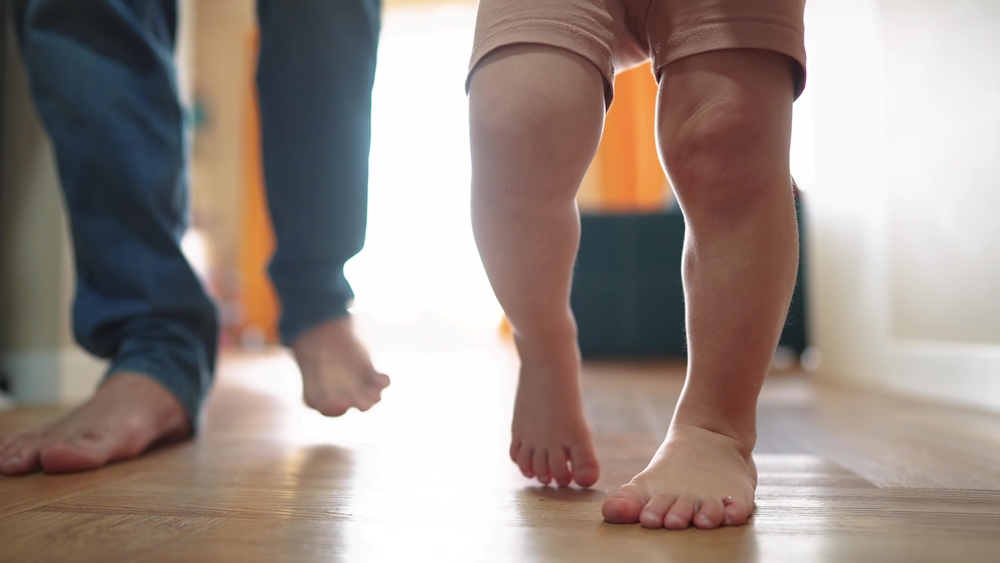
Leg alignment naturally changes several times through childhood. Toddlers often start out slightly bow-legged, then shift into a knock-kneed pattern around ages two to four, which is usually at its most noticeable during this stage. From there, the legs generally continue to straighten, with most children’s alignment settling into an adult-like pattern by around age seven or eight. Because this progression is a normal part of development, mild to moderate knock knees at the typical age are rarely a cause for concern on their own.
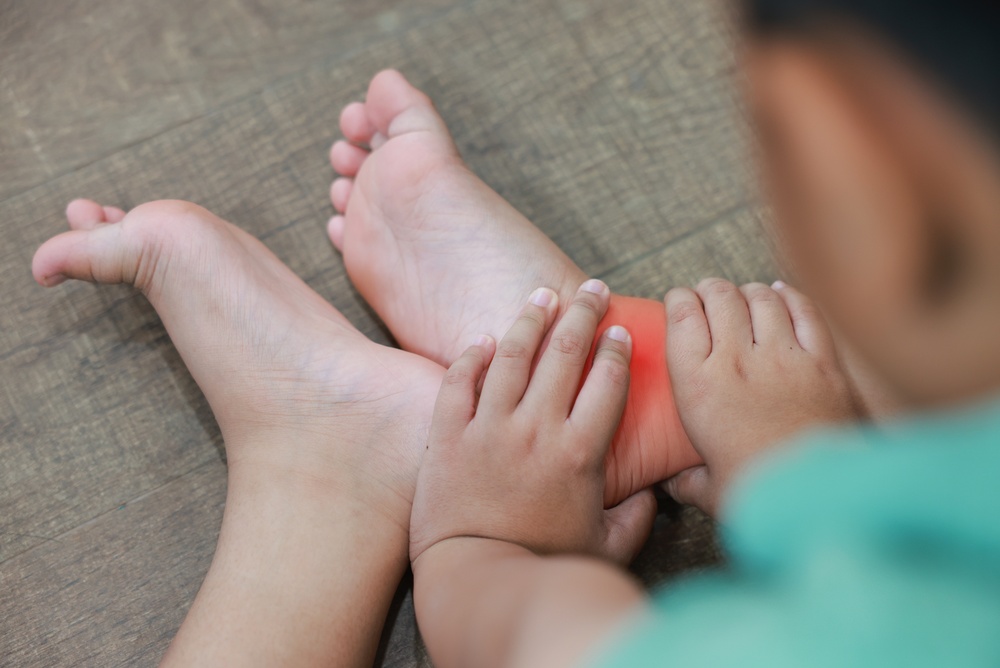
When the knees angle inward, it changes how weight travels down through the legs and into the feet with each step. This can lead to:
See a podiatrist if:
Get Your Child's Knock Knees Properly Assessed
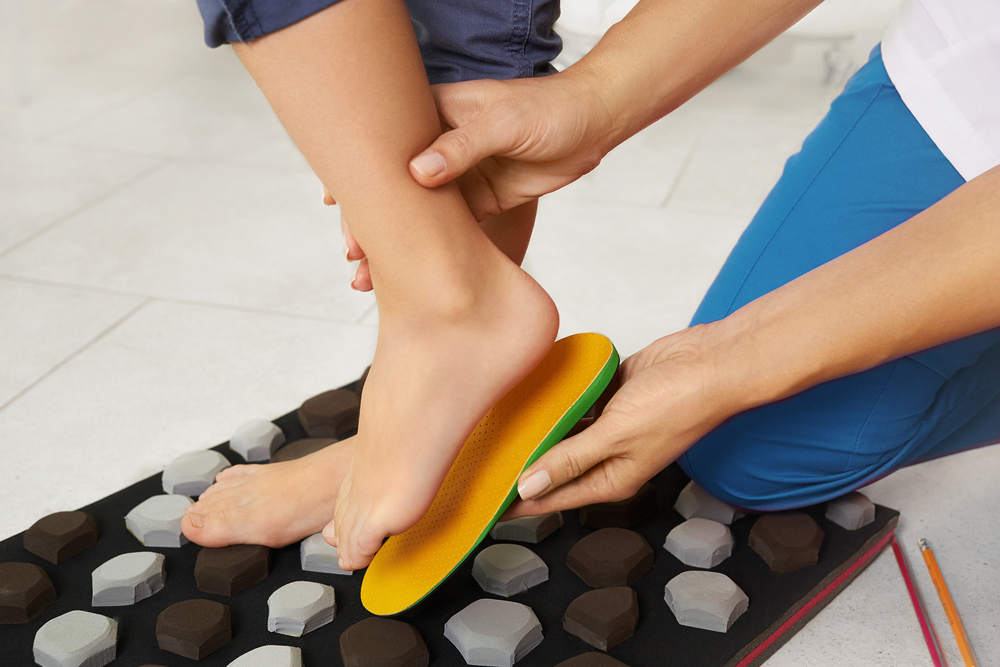
Because most knock knees resolve naturally through growth, treatment focuses on monitoring, comfort, and support rather than correction in most cases.
Options include:
Your podiatrist measures the alignment of your child’s knees and ankles, checks how it’s affecting foot position and gait, and compares this against the typical developmental pattern for their age. In most cases, this gives parents clear reassurance and a timeline for what to expect, with referral for further assessment if the pattern falls outside the norm.


