


Out-Toeing
Out-toeing, where a child’s feet point outward rather than straight ahead, is less commonly discussed than in-toeing but just as often a normal part of growth.
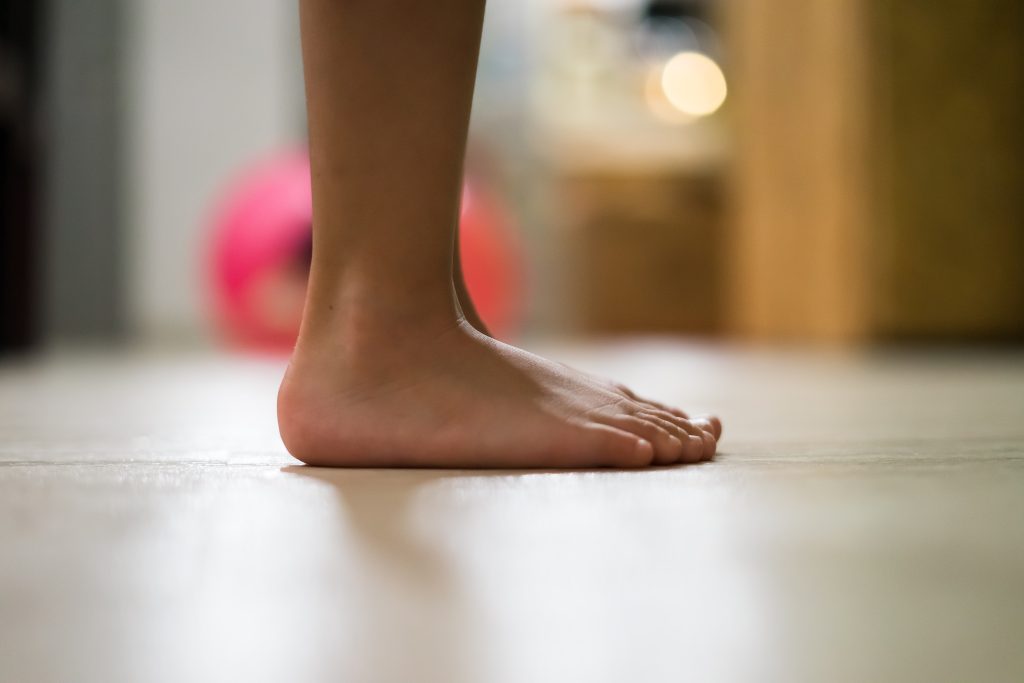
At Emerald Hill Podiatry, we also look closely at foot structure when assessing out-toeing, since it’s frequently linked to flat feet, a connection many parents aren’t aware of until it’s explained during an assessment.
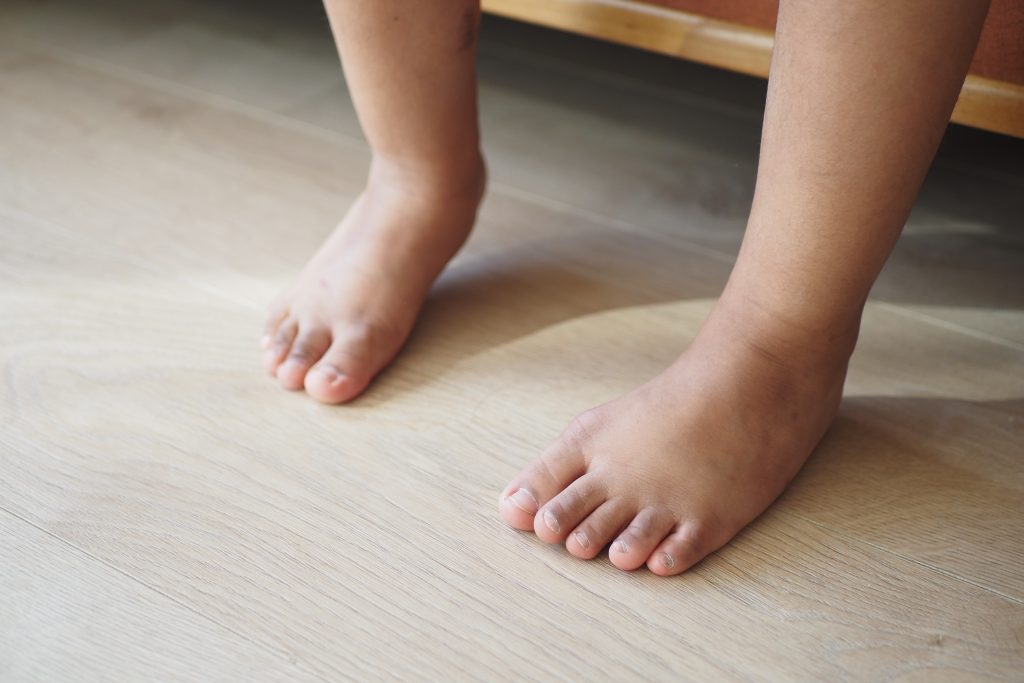
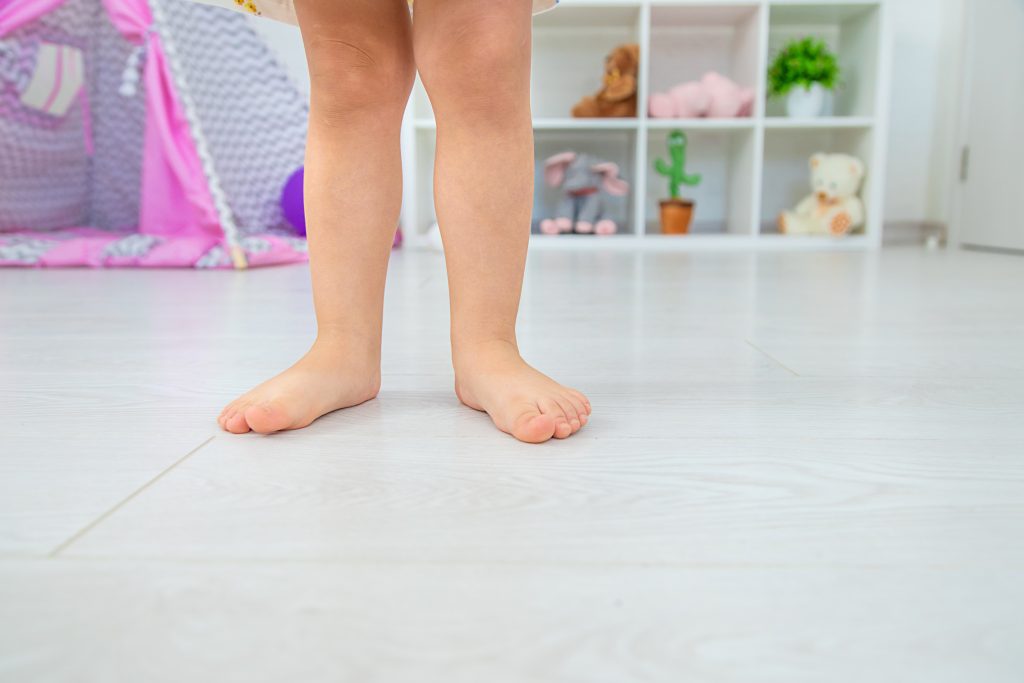
Out-toeing describes a walking or standing pattern where one or both feet turn outward instead of pointing forward. It can be noticed from the toddler years through to later childhood, and while the outward angle of the feet is what parents usually spot first, out-toeing often has as much to do with the arch of the foot as it does with the angle of the leg.
Out-toeing can stem from rotation anywhere along the leg, and identifying where helps explain why it’s happening:
Flat feet are one of the most common and frequently overlooked contributors to out-toeing. Because the connection isn’t obvious just from looking at the feet, what appears to be a leg rotation issue is often, at least in part, a foot structure issue, and the two need to be assessed together.
Much of the rotational component of out-toeing tends to improve naturally as a child grows, in the same way in-toeing often does. However, out-toeing linked to flat feet doesn’t always resolve on its own in the same way, since the arch itself may need support to develop properly or may persist into adulthood if left unaddressed. This is part of why out-toeing benefits from a slightly different monitoring approach than in-toeing, one that keeps an eye on both leg rotation and how the arch is developing over time.
See a podiatrist if:
Get Your Foot Properly Assessed
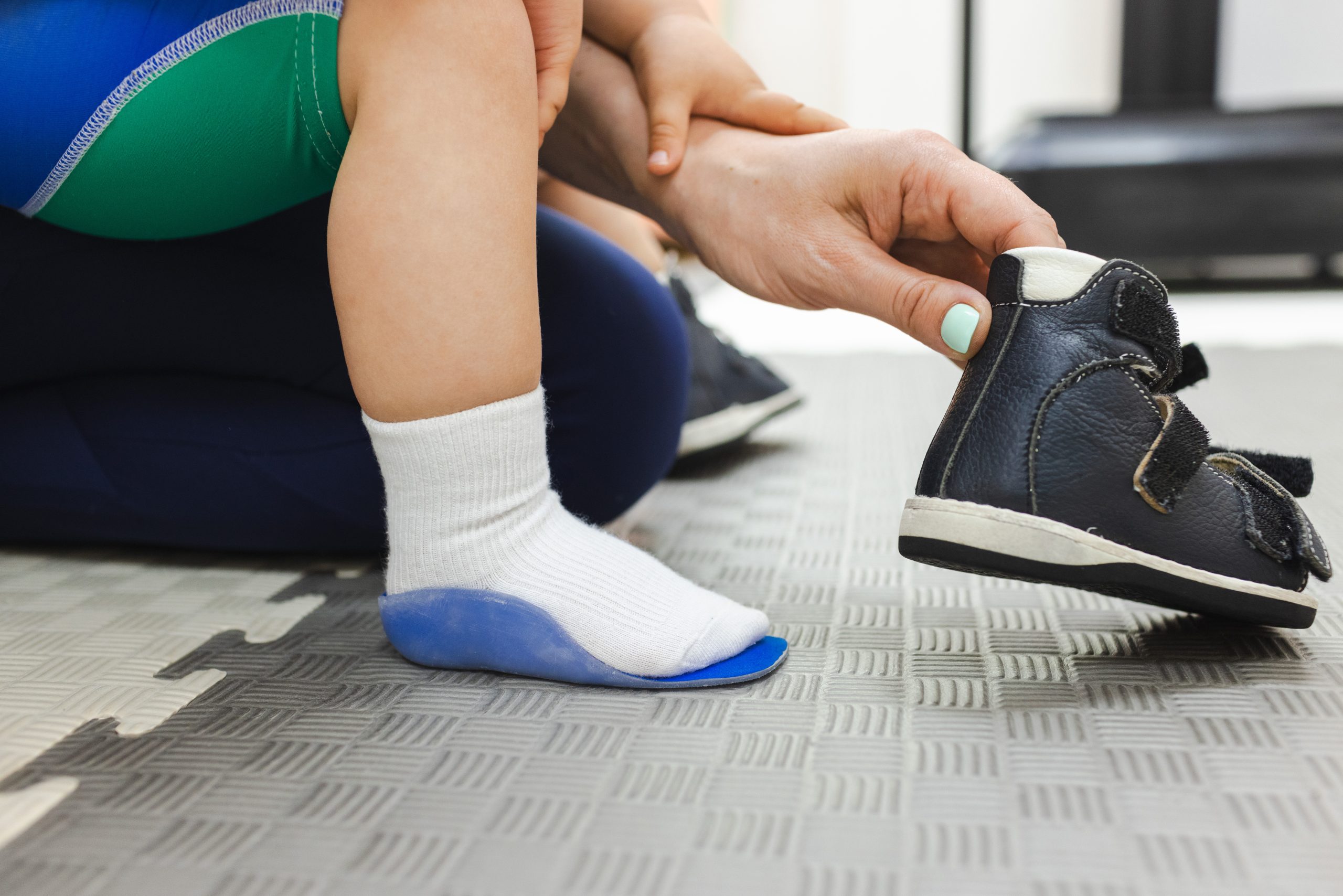
Because out-toeing can stem from leg rotation, flat feet, or a combination of both, treatment is tailored to what’s actually driving it.
Options include:
Your podiatrist examines your child’s foot arch, leg rotation, and walking pattern to determine whether the out-toeing is primarily structural, rotational, or a combination of the two. Because flat feet are such a common but easily missed contributor, this distinction shapes the whole treatment approach.


