







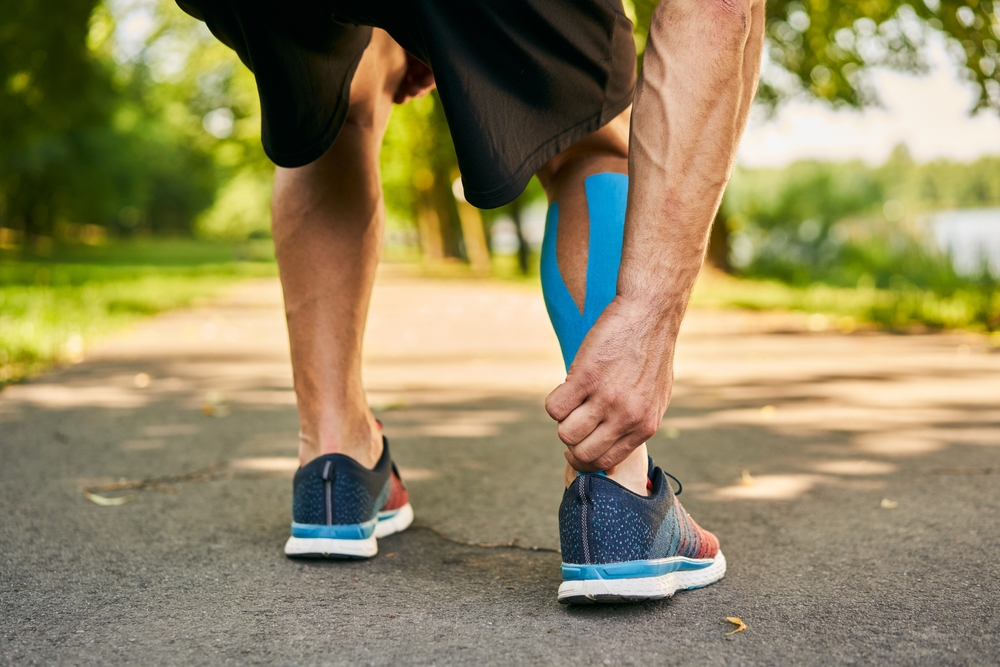

Shin Splints
Shin splints are one of the most common complaints among runners and anyone who’s recently ramped up their training, and while they’re rarely serious on their own, ignoring them can let the problem progress into something more significant.
At Emerald Hill Podiatry, we look beyond just resting the pain away, identifying the mechanical factors behind the overload so the same ache doesn’t return the moment training resumes.
Shin splints, medically known as medial tibial stress syndrome, describe pain along the shin bone (tibia) caused by inflammation of the muscles, tendons, and tissue surrounding it. The pain is typically felt along the inner edge of the lower leg and develops from repeated stress on the shin bone and surrounding structures. It’s a very common overuse injury, and while most cases resolve with appropriate rest and treatment, shin splints that are ignored can progress into a tibial stress fracture.
Shin splints develop when the muscles and connective tissues around the shin repeatedly pull on the bone faster than it can recover, most often triggered by:
Because both conditions cause pain along the shin bone and both stem from overuse, shin splints and a stress fracture can be difficult to tell apart without a professional assessment.
Shin splints tend to cause pain spread diffusely along a length of the shin bone, while a stress fracture is usually more sharply localised to a single, specific point. Shin splint pain often eases somewhat with rest between sessions, while stress fracture pain tends to persist even after activity stops and may worsen with continued loading.
Because a stress fracture doesn’t always show up on an X-ray in its early stages, further imaging such as an MRI may be needed if a fracture is suspected.
Certain foot types and movement patterns place extra strain on the shin, including flat feet, high or rigid arches, and a foot that rolls excessively inward when walking or running (overpronation).
These conditions change how impact force travels up the leg, concentrating stress on the tibia rather than distributing it evenly. Runners transitioning to new terrain, worn shoes that no longer offer adequate support, and a sudden jump in training volume all compound the effect.
Identifying which of these factors is at play is central to preventing shin splints from becoming a recurring problem.
See a podiatrist if:
Get Your Shin Splints Properly Assessed
In the early stages, relief starts with the basics: resting from the aggravating activity, icing the shin for 10 to 20 minutes several times a day, and easing back into training gradually rather than jumping straight back to your previous mileage or intensity. But for shin splints that keep coming back, symptom relief alone isn’t enough, we look at what’s driving the overload in the first place.
Treatment options include:
Your podiatrist reviews your training history and footwear, examines your gait, and checks for tenderness along the shin to help distinguish shin splints from a possible stress fracture. Imaging may be arranged if a fracture is suspected. From there, a plan is set to manage symptoms in the short term and correct the mechanical cause so shin splints don’t become a recurring part of your training.


