

Athlete’s Foot (Tinea Pedis)
Athlete’s foot is one of the most common skin infections we see at Emerald Hill Podiatry, and despite the name, it has nothing to do with being athletic. It affects anyone whose feet spend long stretches in warm, enclosed shoes, from office workers to students to actual athletes. Our podiatrists identify the type and extent of the infection and treat it properly the first time, since athlete’s foot has a habit of returning if it isn’t fully cleared.
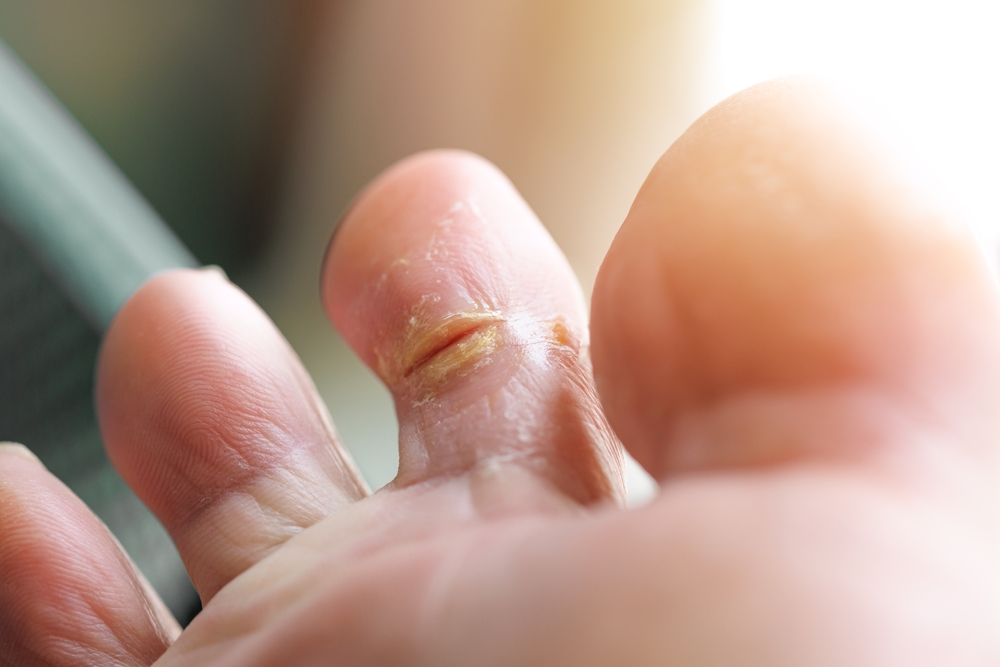
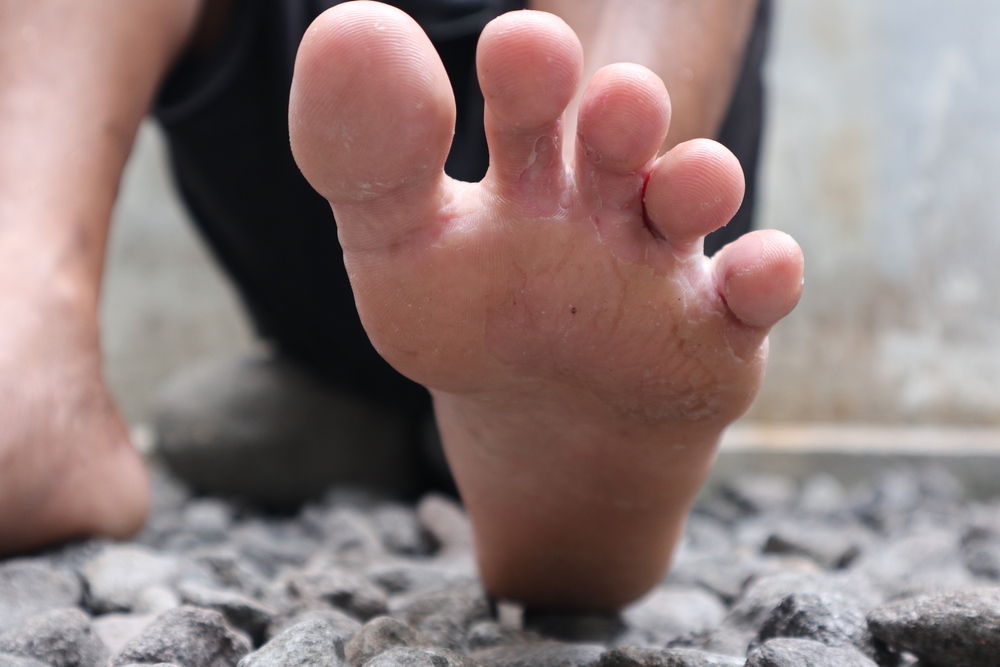
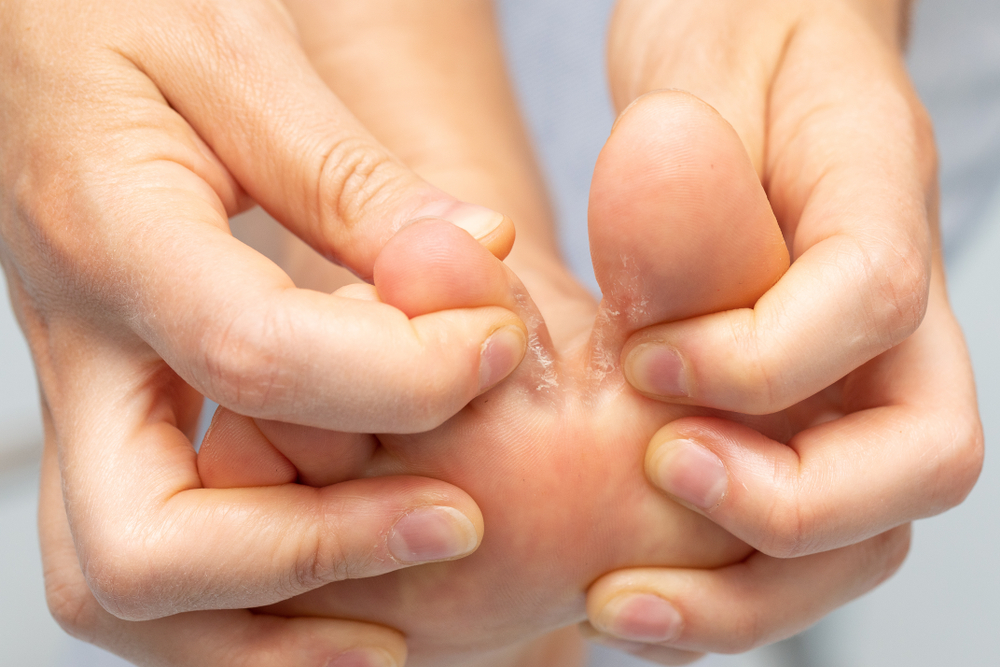
Athlete’s foot, medically known as tinea pedis, is a fungal skin infection that most commonly affects the skin between the toes, though it can spread to the soles and sides of the feet. It’s caused by the same family of fungi (dermatophytes) responsible for fungal nail infections and ringworm, and it thrives on skin exposed to warmth and moisture. Left untreated, it can spread to the toenails, other parts of the foot, or even other areas of the body through scratching and contact.
Closed footwear creates close to ideal conditions for fungal growth: warm, dark, and often damp from sweat by the end of the day. A few factors make this worse:
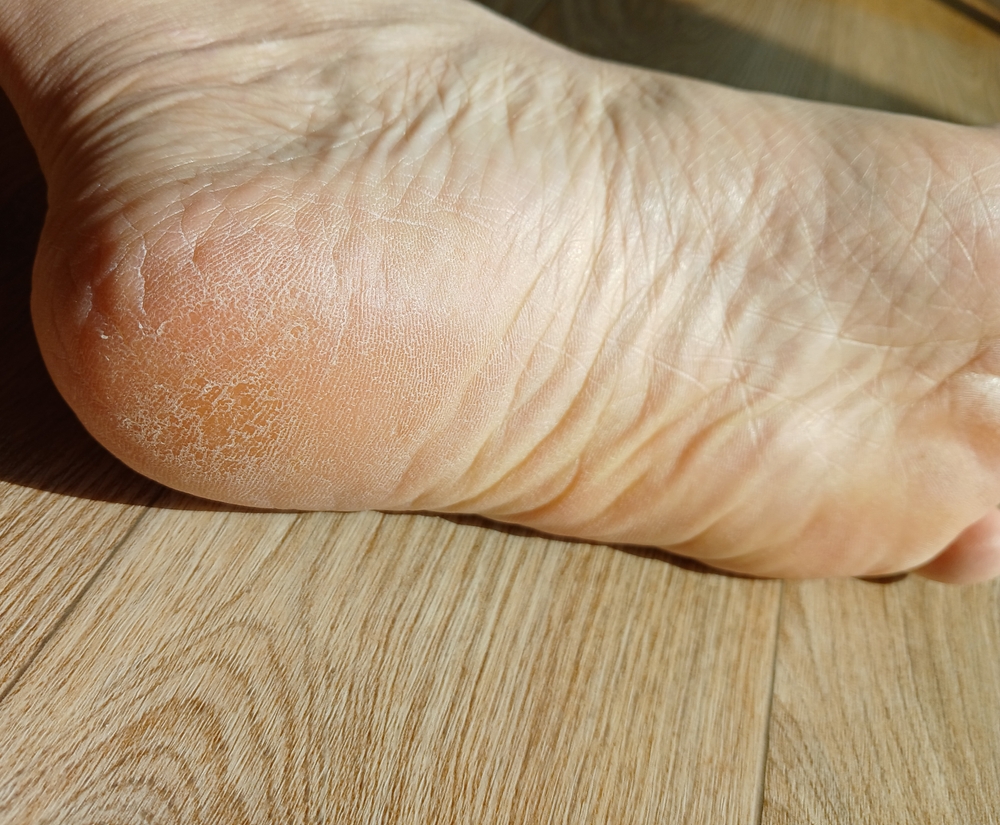
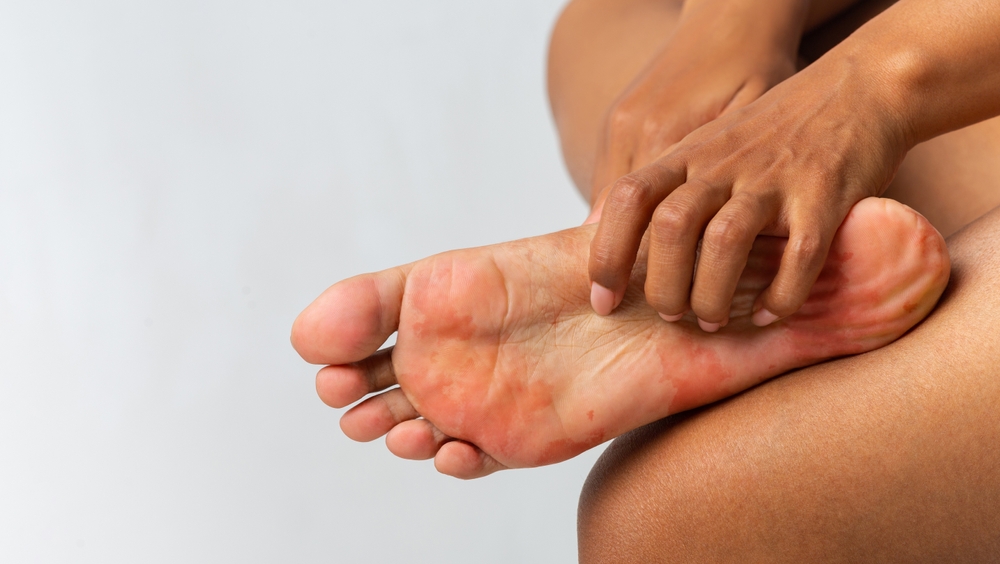
Athlete’s foot is frequently mistaken for simple dry skin or eczema, since both can cause flaking, redness, and itching. A few clues help tell them apart: athlete’s foot typically starts between the toes before spreading, often has a distinct odour, and tends to worsen in warm, enclosed footwear rather than improving with regular moisturiser.
Eczema, by contrast, is more likely to appear elsewhere on the body as well and often responds to moisturising rather than getting worse with it. Because the treatments for each are completely different, an accurate diagnosis matters before starting any treatment.
See a podiatrist if:
Get Your Athlete’s Foot Properly Assessed
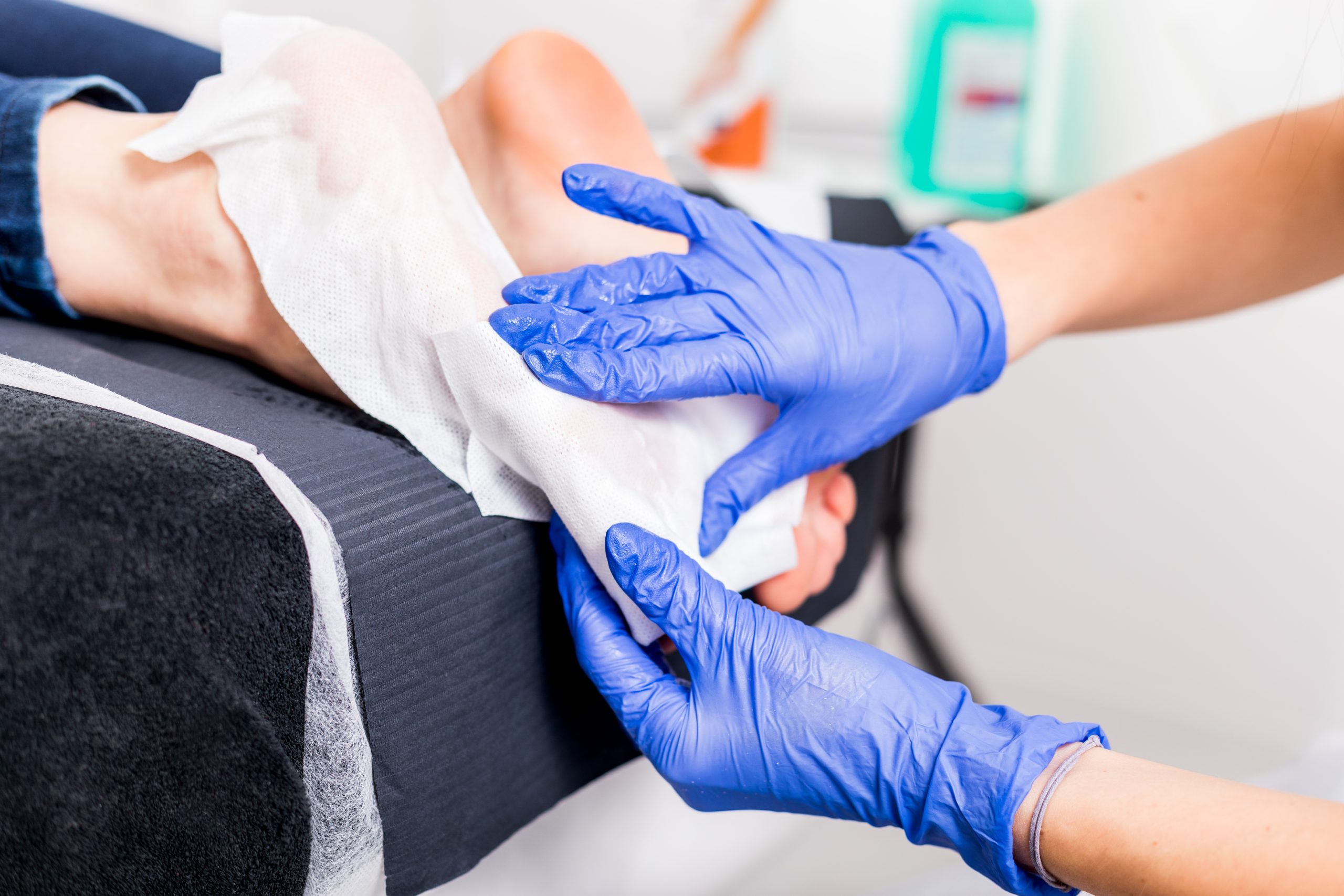
Treatment is chosen based on how extensive and how persistent the infection is.
Options include:
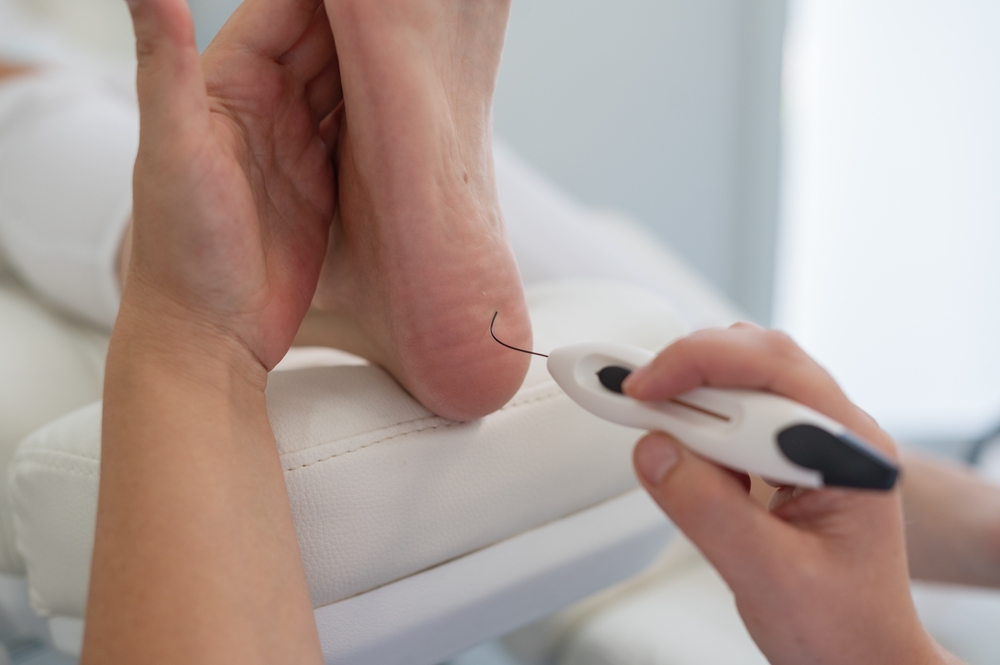
Your podiatrist examines the affected skin and, where needed, takes a sample to confirm a fungal cause before recommending treatment. Because athlete’s foot can spread to the nails if left untreated, catching it early makes for a simpler, shorter course of treatment.


