
Ingrown Toenail
An ingrown toenail is one of the most common reasons people come through our doors at Emerald Hill Podiatry, and often one they’ve tried to manage themselves for weeks before it becomes too painful to ignore. What starts as mild tenderness can progress to swelling, infection, and a nail that keeps digging into the skin no matter how carefully it’s trimmed.
At Emerald Hill Podiatry, we treat ingrown toenails at every stage, from early irritation to nails needing surgical correction.
What Is an Ingrown Toenail
An ingrown toenail, medically known as onychocryptosis, occurs when the edge or corner of a toenail grows into the surrounding skin instead of over it. This most commonly affects the big toe, though any toe can be affected. As the nail edge presses into the soft tissue, it triggers inflammation, and if the skin breaks, it opens the door to infection.
Why the Nail Grows Inward
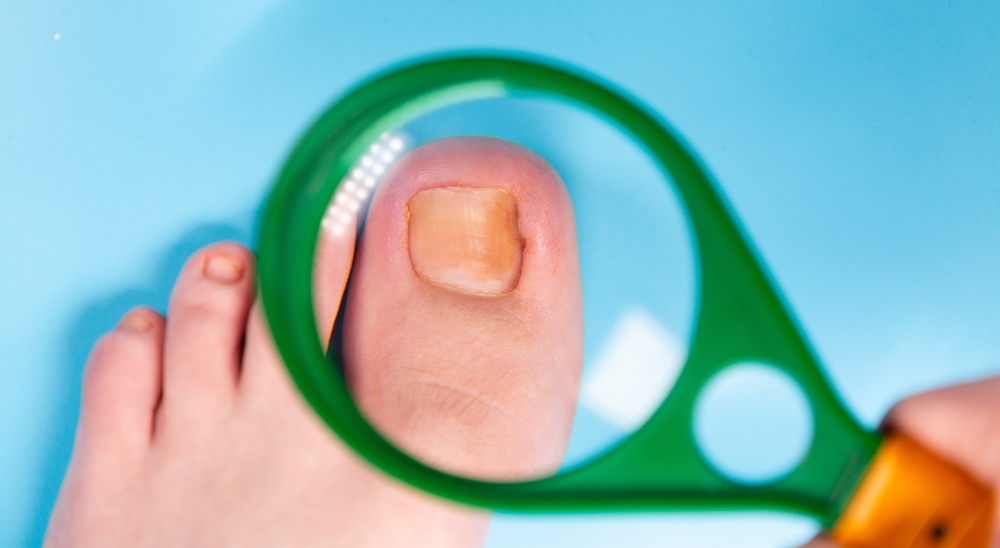
Ingrown toenails develop for a mix of structural and behavioural reasons, often in combination:
- Trimming nails too short or rounding the corners instead of cutting straight across
- Naturally curved or thickened nails that are more prone to digging into the skin
- Footwear that's too tight or narrow in the toe box, pressing the skin against the nail edge
- Injury to the toe or nail, such as stubbing or dropping something on it
- Repetitive pressure from sports involving running, kicking, or sudden stops
- In some cases, a genetic tendency toward a wider or more curved nail shape
Recognising the Signs
- Pain and tenderness along one or both sides of the nail
- Redness and swelling of the skin next to the nail
- A sensation of pressure or throbbing, especially in closed footwear
- Fluid or pus, indicating the area has become infected
- Skin that appears to be growing over the edge of the nail
- In more advanced cases, a build-up of tissue (proud flesh) around the affected nail edge


When Home Care Isn't Enough
Mild ingrown toenails can sometimes be managed at home with warm soaks, careful trimming, and roomier footwear. It’s time to see a podiatrist if:
- Pain, redness, or swelling isn't improving after a few days of home care
- There's visible discharge, pus, or an odour, suggesting infection
- The nail has been ingrown before and keeps recurring
- You have diabetes, poor circulation, or reduced sensation in your feet, where even a minor ingrown nail carries a higher risk of complications
- The pain is severe enough to affect walking or wearing shoes comfortably
Attempting to dig out an ingrown nail edge at home often makes the problem worse, pushing the nail further into the skin or introducing infection. A podiatrist can remove the offending nail edge safely and, where needed, prevent it from growing back the same way.
Get Your Ingrown Toenail Properly Assessed
Prevent Ingrown Nail From Growing Back
Treatment depends on how severe and how recurrent the ingrown nail is.
Options include:
- Nail Surgery (Ingrown Toenail Removal) — removal of the ingrown portion of the nail, or the entire nail edge with treatment of the nail bed to prevent regrowth in cases of chronic ingrown nails
- Nail Bracing — a corrective brace applied to the nail to gradually reshape its growth pattern, particularly useful for nails that are curved rather than simply misaligned
- Antibiotic and Wound Care — management of any active infection alongside the nail correction
- Nail Care Guidance — proper trimming technique and footwear advice to reduce the chance of recurrence

What to Expect at Your Assessment
Your podiatrist examines the nail, the surrounding skin, and checks for any signs of infection before recommending the least invasive option likely to resolve the problem for good. For nails that have become ingrown repeatedly, we often discuss a permanent nail correction to break the cycle.


