
Calluses/Corns
Calluses and corns are the body’s response to repeated friction and pressure, and while they’re rarely dangerous, they can be painful, unsightly, and a sign of an underlying pressure problem worth addressing.
At Emerald Hill Podiatry, we don’t just remove the thickened skin, we look at why it’s forming in the first place, so the discomfort doesn’t simply return in a few weeks.
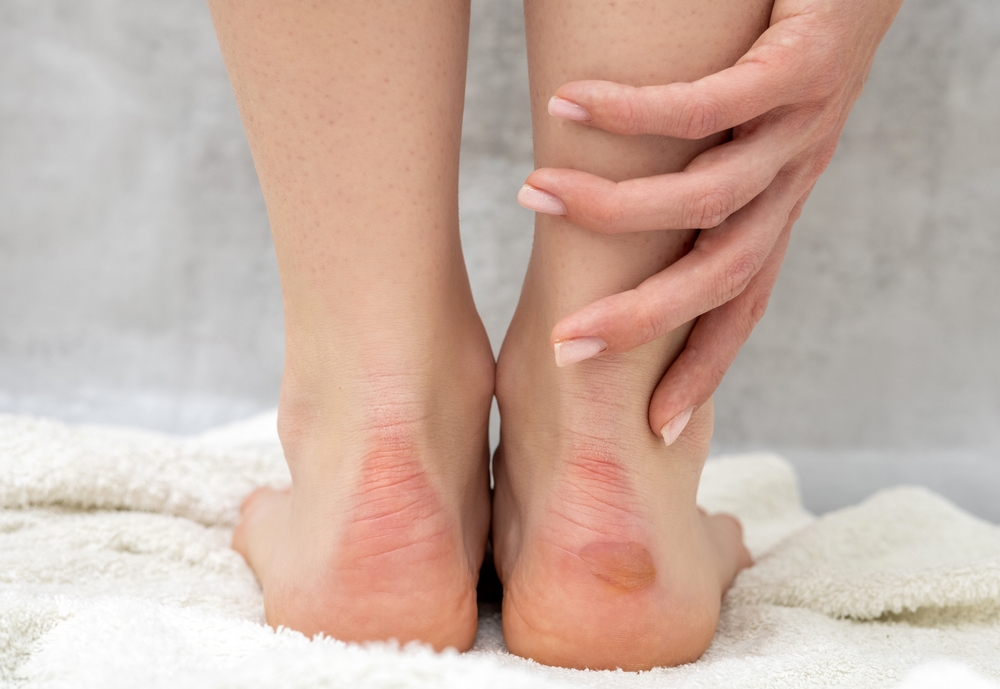
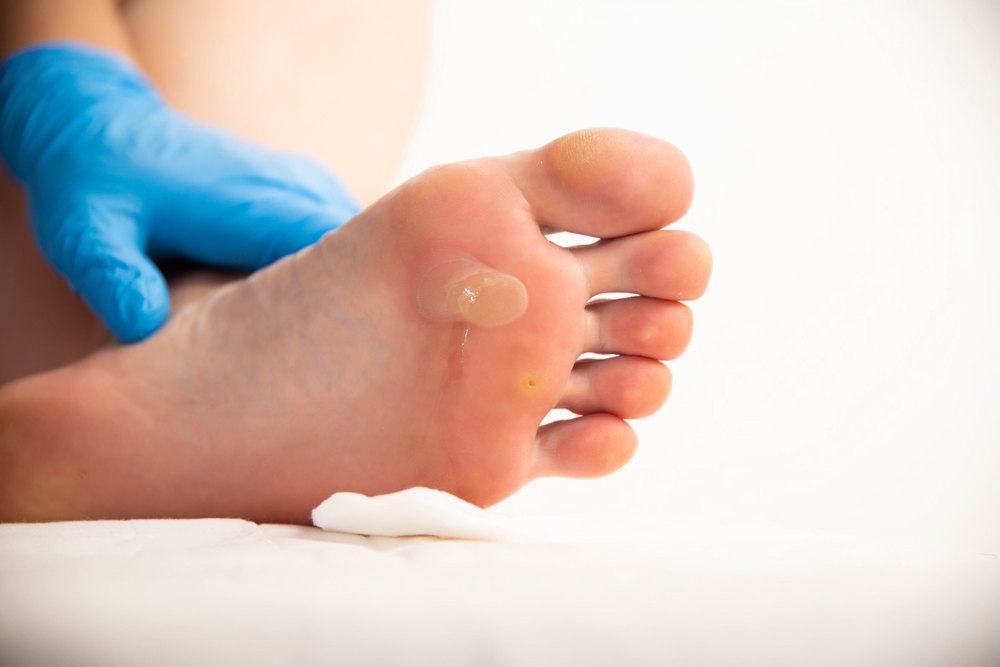
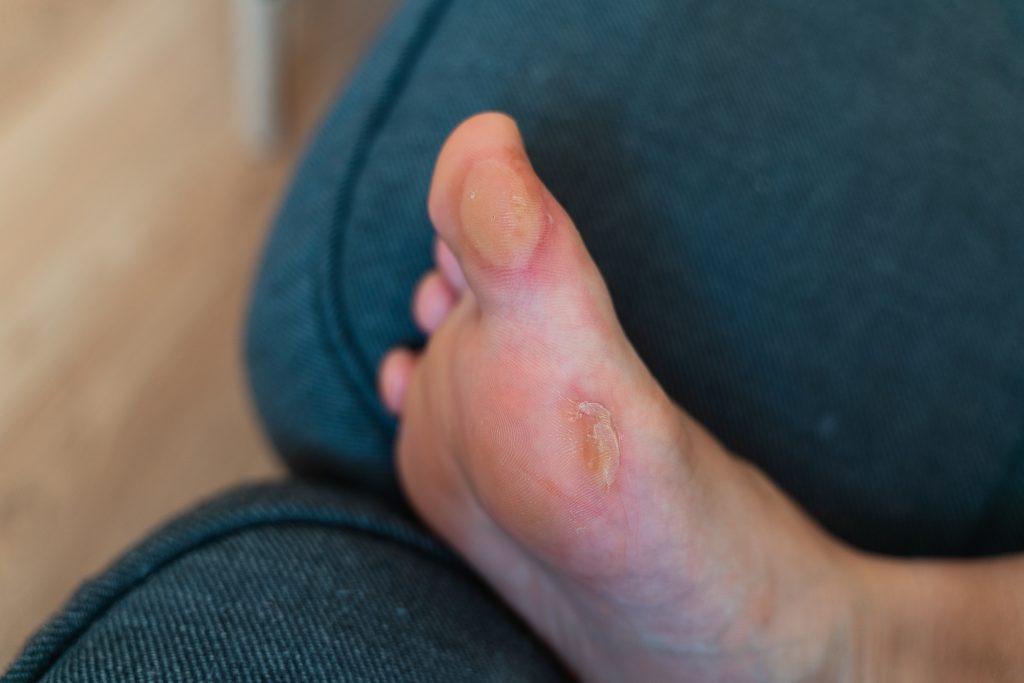
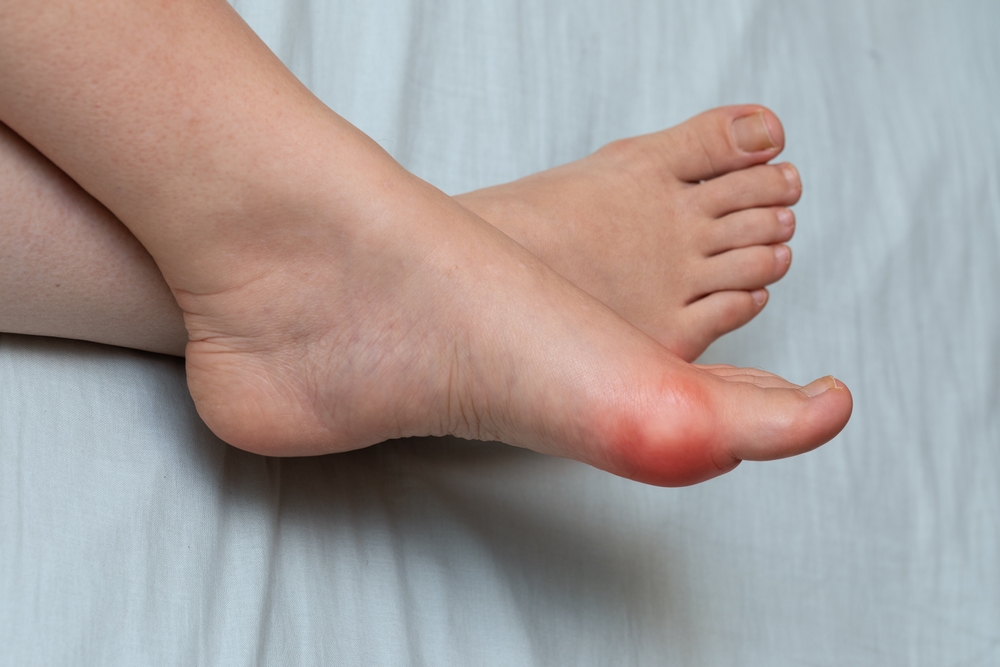
Calluses and corns are both areas of thickened, hardened skin that develop as a protective response to repeated rubbing or pressure. A callus is typically a broader, flatter area of thickened skin, most often found on the ball of the foot or the heel. A corn is smaller and more concentrated, with a dense central core, and tends to form over bony areas such as the tops or sides of the toes. Both are made of the same hard, compacted skin (keratin), but their shape, size, and location differ based on how the pressure causing them is distributed.
Skin thickens as a defence mechanism wherever it’s exposed to consistent friction or pressure over time. Common contributors include:
Because the cause is mechanical, calluses and corns tend to keep forming in the same spot unless you identify and address the source of pressure.
Size and shape
Broad, flat, diffuse edges
Small, well-defined, with a hard central core
Common location
Ball of the foot, heel
Tops and sides of toes, between toes
Pain
Usually less tender, more of a pressure sensation
Often sharply tender, especially with direct pressure
Cause
Even, repeated pressure over a wider area
Concentrated pressure over a bony prominence
Corns that form between the toes are often kept soft and macerated by moisture, and are sometimes mistaken for a fungal or skin infection rather than a pressure-related build-up.
While mild calluses can often be managed with simple footwear changes, see a podiatrist if:
Get Your Calluses and Corns Properly Assessed
Treatment addresses both the thickened skin itself and the pressure that’s causing it to form.
Options include:
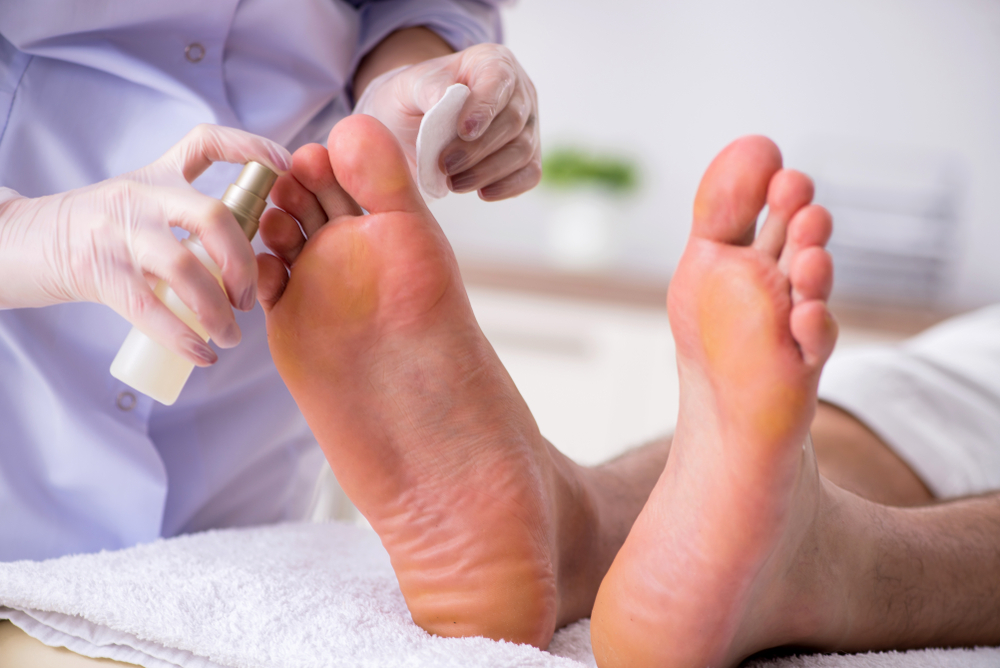
Your podiatrist examines the location, size, and depth of the callus or corn, and assesses your gait and footwear to identify what’s driving the pressure. Especially for patients with diabetes or reduced sensation, professional debridement is far safer than at-home removal.


