
Plantar Warts
Plantar warts are a common but persistent skin condition on the sole of the foot, and one that rarely clears up as quickly as people expect. At Emerald Hill Podiatry, we see the full range, from a single small wart to more stubborn mosaic clusters, and treat them with methods matched to how deep-seated and widespread the infection is, rather than a one-size-fits-all approach.
What Is a Plantar Wart?
A plantar wart, medically known as verruca plantaris, is a benign but often uncomfortable growth on the sole of the foot, caused by the human papillomavirus (HPV) entering through a small break in the skin. Unlike warts elsewhere on the body, plantar warts tend to be pushed inward by the pressure of walking, growing deeper beneath the skin’s surface rather than raised above it, which is part of why they can be more painful and harder to treat than warts on the hands.
How the Virus Enters the Skin
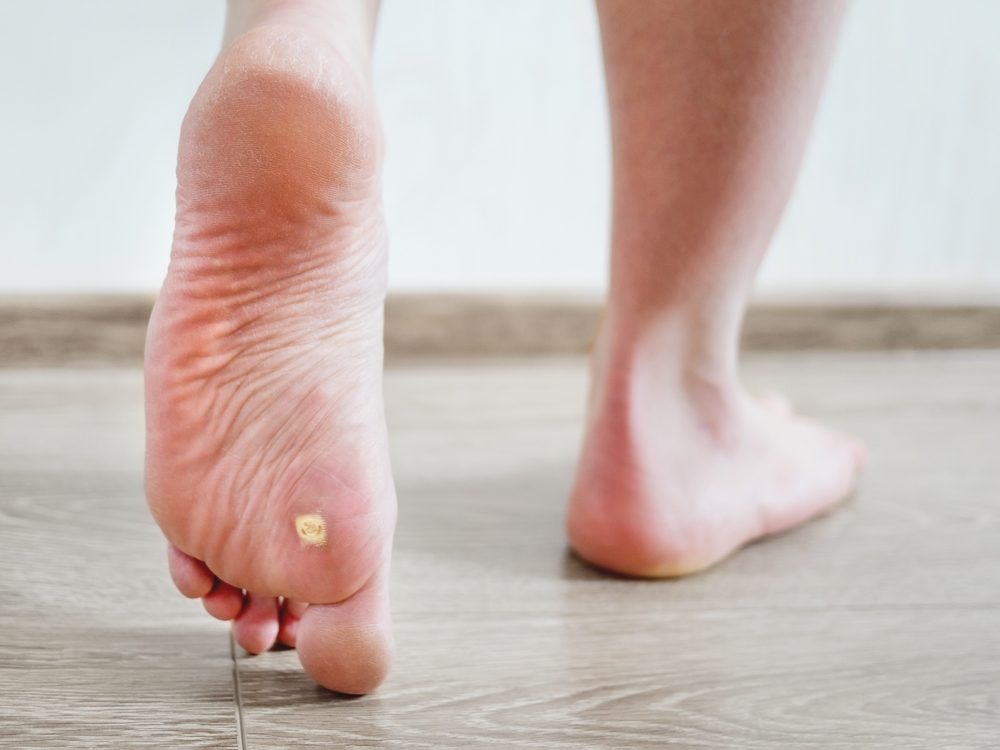
HPV needs a point of entry to cause infection, usually a tiny cut, crack, or area of broken skin on the sole of the foot. Once the virus takes hold, it can take anywhere from a few weeks to several months to develop into a visible wart. The virus spreads easily in warm, moist environments where people commonly go barefoot, including:
- Public swimming pools and their surrounding decks
- Communal showers and locker rooms
- Shared use of mats, towels, or footwear
- Nail salons or pedicure tools that haven't been properly sanitised
Because the virus can survive on damp surfaces, walking barefoot in these settings is one of the most common ways it’s picked up, and once present, it can also spread to other areas of the same foot through repeated contact.
Spotting a Wart vs a Callus
Plantar warts are frequently mistaken for calluses, since both cause thickened, rough patches on the sole of the foot. A few features help tell them apart:
- Skin lines — normal skin lines run continuously across a callus, but are interrupted or disrupted where a wart is present
- Pinpoint dark spots — plantar warts often show small black or brown specks, which are tiny clotted blood vessels, not usually seen in calluses
- Pain pattern — warts are typically more tender when squeezed from the sides, while calluses tend to hurt more with direct pressure from above
- Location — calluses form over areas of repeated friction or pressure, such as under the ball of the foot, while warts can appear anywhere on the sole, including in less pressure-prone areas
Because the two can look similar to the untrained eye and require completely different treatment approaches, a professional assessment prevents time lost treating the wrong condition.

Why Warts Need Professional Treatment
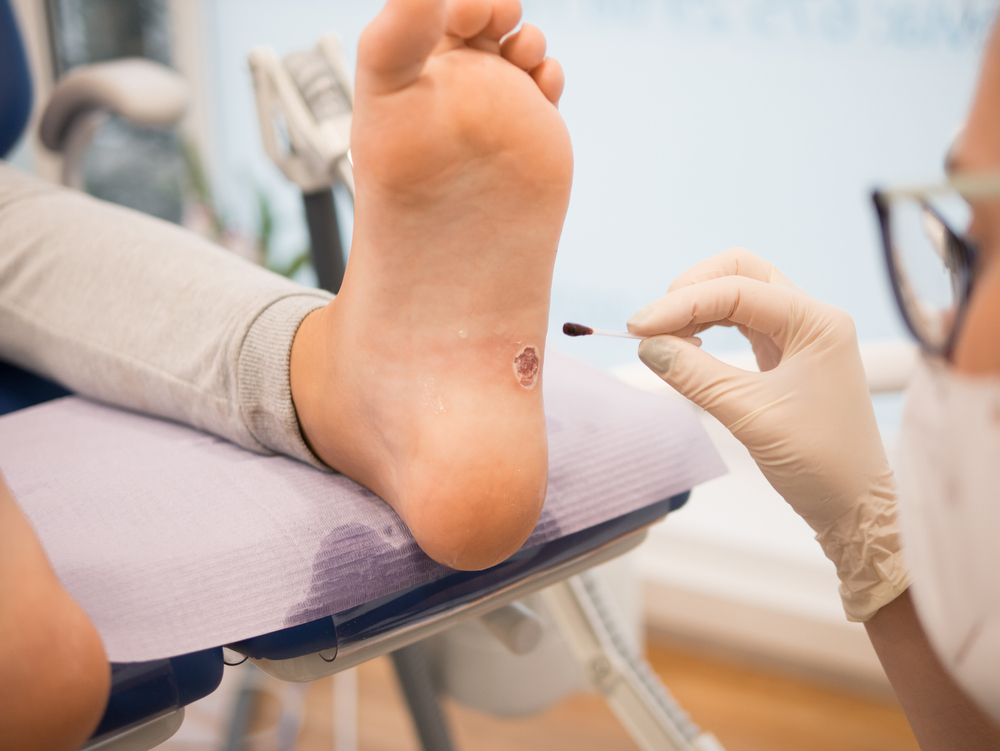
Plantar warts can eventually resolve on their own as the immune system clears the virus, but this can take a year or more, during which the wart can grow larger, multiply into a mosaic cluster, or spread to other parts of the foot. Attempting to treat a wart at home, particularly by cutting or picking at it, risks spreading the virus further or introducing infection. Professional treatment targets the wart more precisely and consistently than at-home methods alone, shortening the timeline and reducing the chance of recurrence or spread to other family members through shared surfaces.
Get Your Plantar Warts Properly Assessed
Treat Plantar Warts with Emerald Hill
Treatment is matched to the size, depth, and number of warts present.
Options include:
- Verruca Needling — a minimally invasive technique that triggers the body's immune response to the wart, often effective for deeper or resistant warts
- Topical and Cryotherapy Treatment — freezing the wart tissue with liquid nitrogen or a similar agent to destroy the infected skin, paired with topical treatment where needed
- Laser Treatment — targets the blood vessels feeding the wart, cutting off its blood supply
- Salicylic Acid and Customised Care — a supervised at-home regimen using higher-strength salicylic acid to gradually break down the wart between in-clinic visits
For more stubborn or deep-rooted warts, we may also recommend our in-clinic Cryotherapy or Wart Excision Procedure for direct removal.

What to Expect at Your Assessment
Your podiatrist examines the affected area to confirm the diagnosis, checking skin lines, tenderness, and any pinpoint bleeding spots to distinguish a wart from a callus or corn. From there, a treatment plan is chosen based on how deep, large, and long-standing the wart is.


