


Sesamoiditis
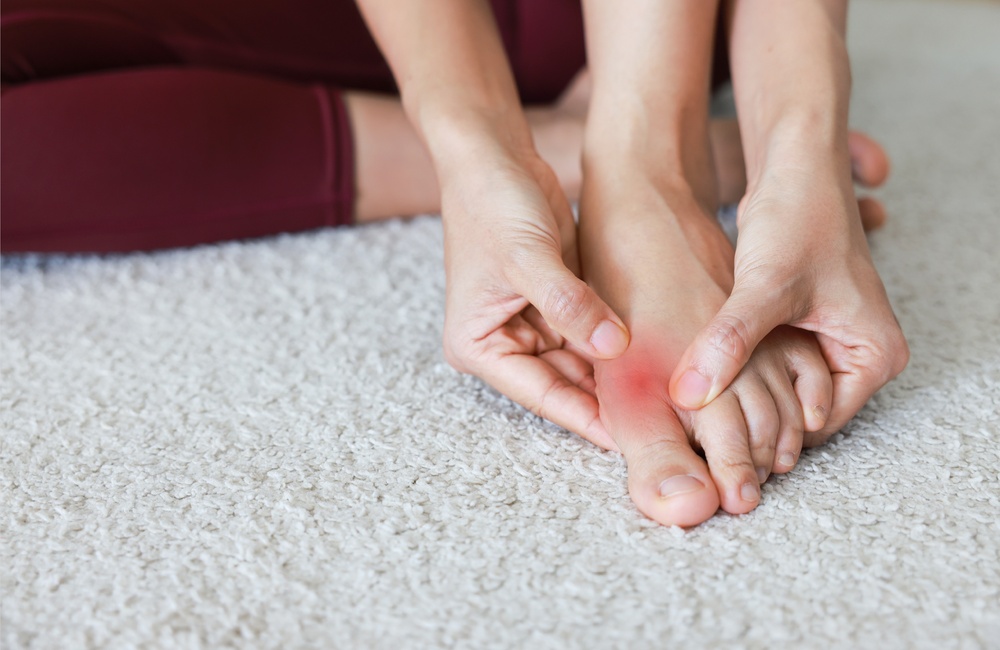
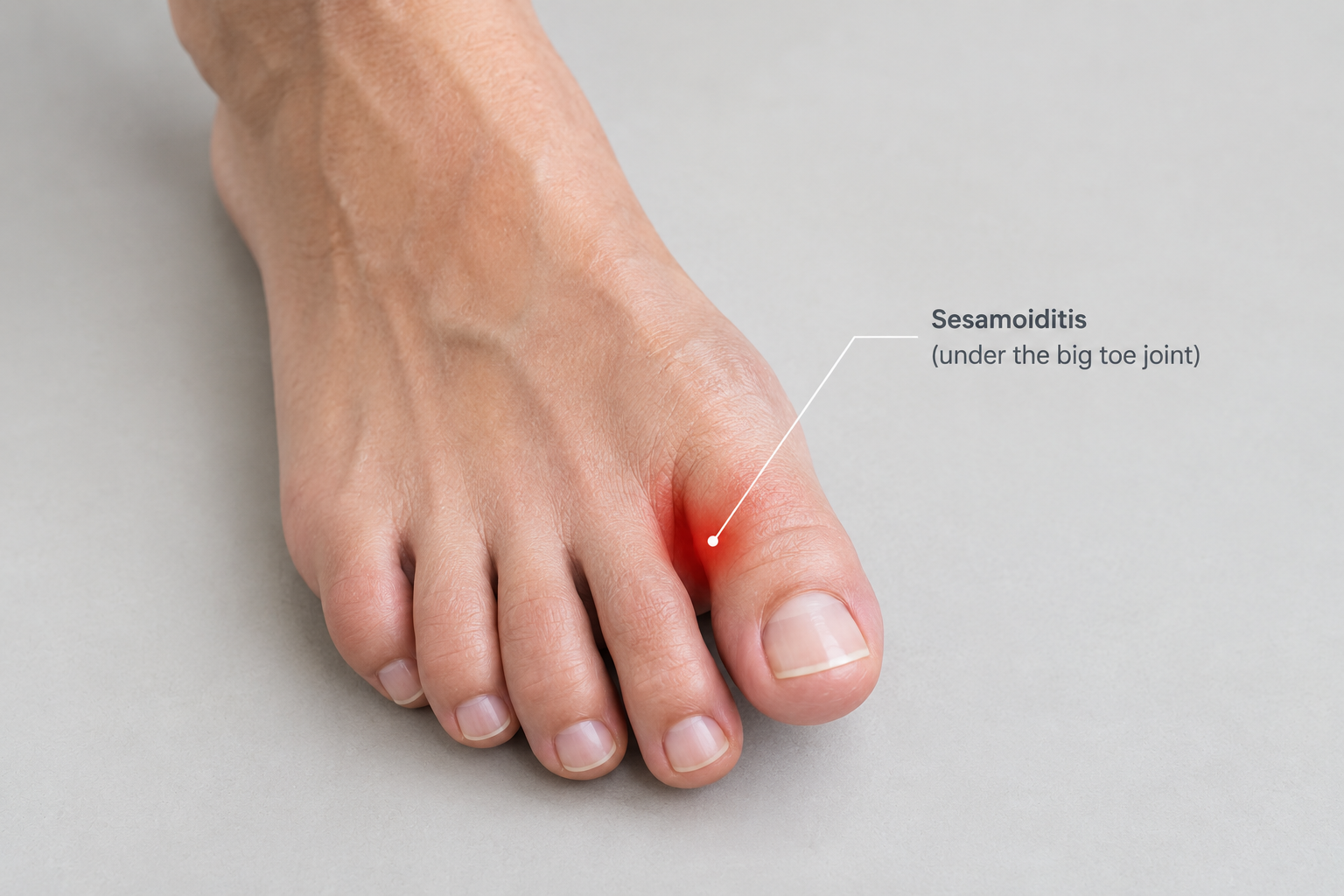
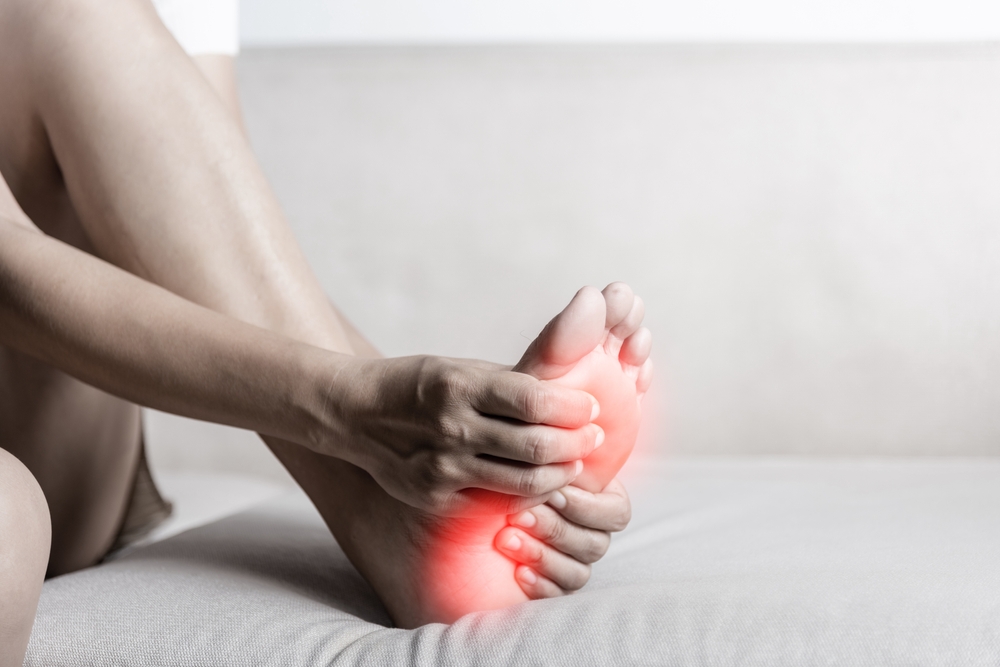
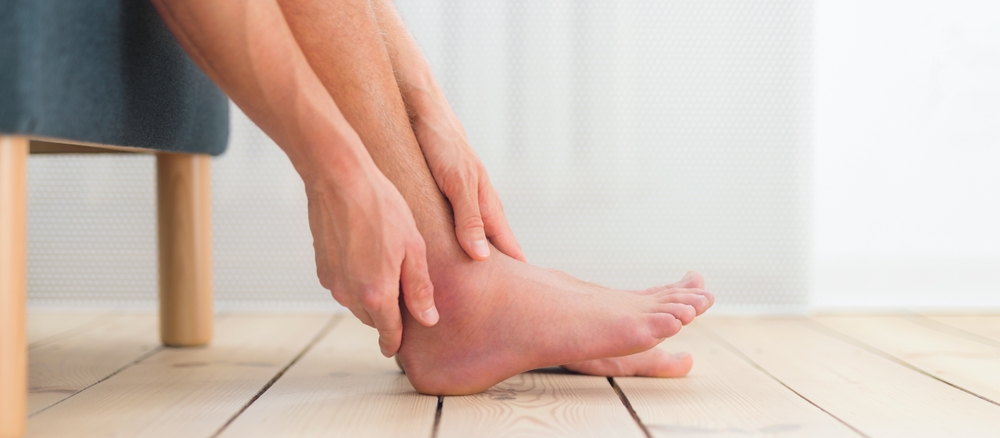
Sesamoiditis is irritation of the two small bones beneath your big toe joint, causing pain under the ball of your foot that’s often worse with push-off during walking or running.
At Emerald Hill Podiatry, we assess what’s loading these bones excessively, then build a plan to offload them and ease inflammation, while ruling out the more serious possibility of a sesamoid fracture along the way.
The sesamoid bones are two small, pea-sized bones embedded within a tendon on the underside of the big toe joint. Unlike most bones in the body, they aren’t connected directly to other bones. Instead, they sit within the flexor tendon, acting as a pulley system that helps the big toe push off the ground and absorbs a significant amount of load with every step.
Given their role, the sesamoids bear considerable weight-bearing force, particularly during activities that load the forefoot, such as walking, running, jumping, and pushing off.
When this load becomes excessive or repetitive beyond what the bones and surrounding tissue can tolerate, the area becomes inflamed and painful, a condition known as sesamoiditis
Sesamoiditis develops from repetitive overload of the sesamoid bones and the tissue surrounding them. Common contributing factors include:
What’s a Sesamoid Fracture
Because the sesamoids bear significant repetitive load, they’re also vulnerable to stress fractures, a distinct injury from sesamoiditis that can be hard to tell apart without imaging. Fractures tend to cause more localised, sharper pain and don’t respond as readily to conservative care, so imaging is often used to confirm which condition you’re dealing with before finalising treatment.
You should see a podiatrist if:
Getting an accurate diagnosis early is what determines the right treatment path and avoids prolonging your recovery.
Get Your Forefoot Pain Properly Assessed
Most cases respond well to conservative care focused on reducing load and allowing inflammation to settle.
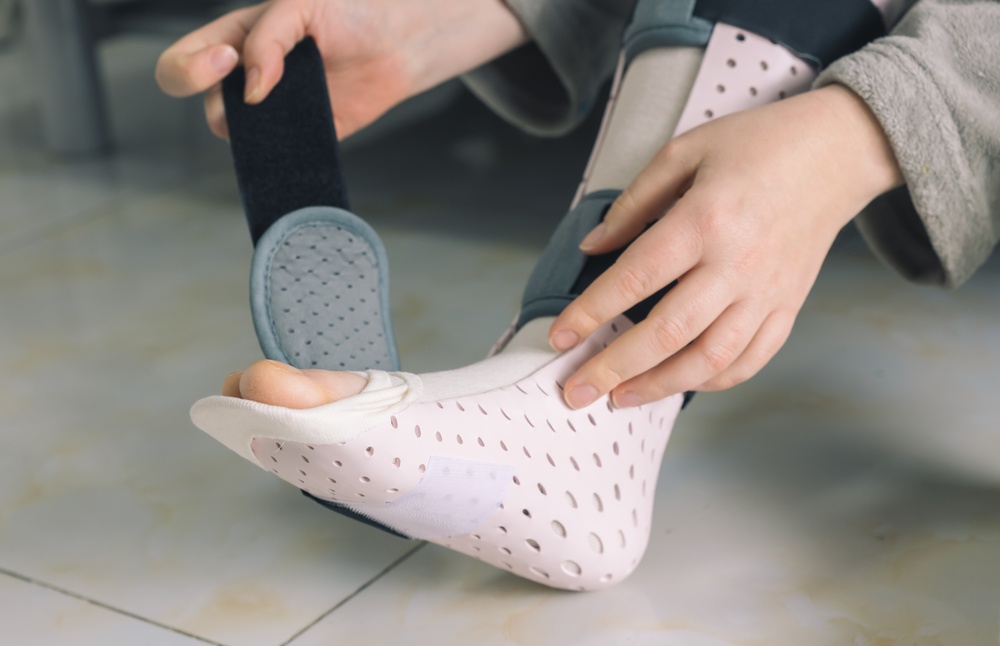
Options include:
Your podiatrist reviews when your pain started, whether there was a specific injury, and your activity and footwear, then examines the area for tenderness, swelling, and joint movement, alongside a review of your training patterns. X-rays or MRI may be used to distinguish sesamoiditis from a fracture. From there, you’ll be walked through the treatment options suited to your case, with your plan adjusted as symptoms improve.


