





Hammertoes
A hammertoe is a bend or curl in one of your smaller toes that, left unaddressed, tends to stiffen over time and become harder to correct without surgery.
At Emerald Hill Podiatry, we assess whether your hammertoe is still flexible or has become fixed, then build a plan around what stage you’re at, aiming to ease discomfort and, where possible, keep surgery off the table.
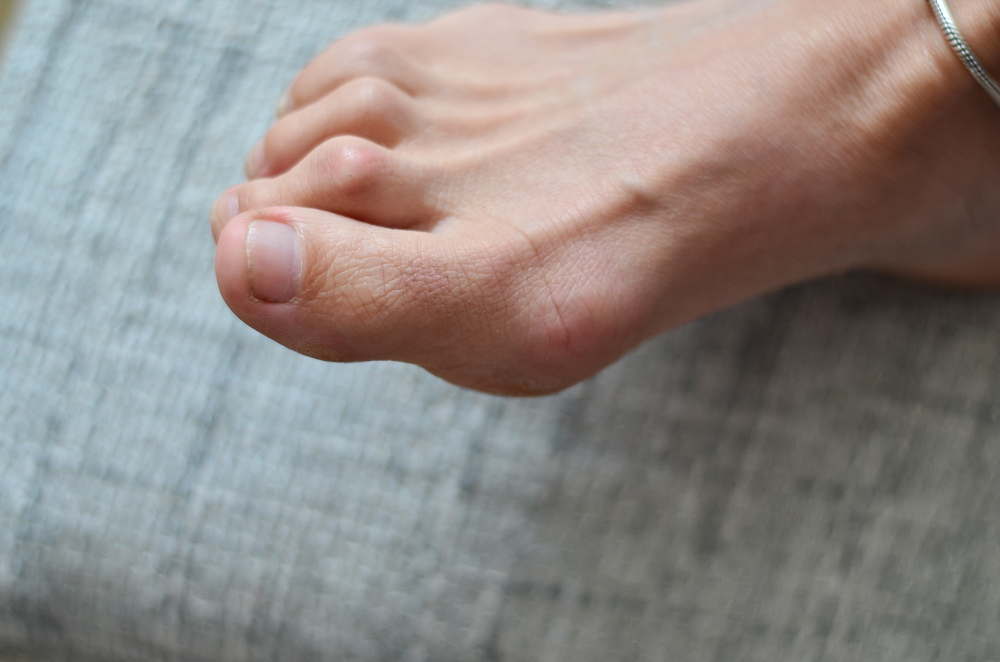
A hammertoe is a deformity in which one of the smaller toes, most commonly the second toe, bends abnormally at the middle joint, creating a claw-like or hammer-like appearance. It develops when the tendons controlling the toe fall out of balance, pulling the joint into a bent position that it can no longer straighten out of on its own.
Hammertoes typically start out mild and worsen gradually, progressing from a flexible, correctable bend to a fixed one, at which point conservative management becomes far more limited. Related deformities, such as claw toe and mallet toe, involve similar tendon imbalances at slightly different joints and are managed using the same general approach.
Because hammertoes tend to move from flexible to fixed over time, catching the deformity early generally means more treatment options and a better chance of avoiding surgery.
Common contributors to this imbalance include:
You should see a podiatrist if:
Since hammertoes tend to stiffen progressively, earlier assessment gives you the best chance of managing the deformity without surgery.
Get Your Hammertoe Properly Assessed
Treatment depends heavily on whether the toe is still flexible or has become fixed, this distinction shapes everything from which conservative measures apply to whether surgery needs consideration.
Options include:
Your podiatrist reviews when the deformity started, your footwear history, and pain levels, then examines whether the toe is still flexible or fixed, checking for corns, calluses, and gait patterns contributing to the imbalance. X-rays may be used if surgery is being considered. From there, you’ll be walked through realistic treatment goals, with periodic reassessment since hammertoes can progress from flexible to fixed over time.


