





Achilles Tendinitis
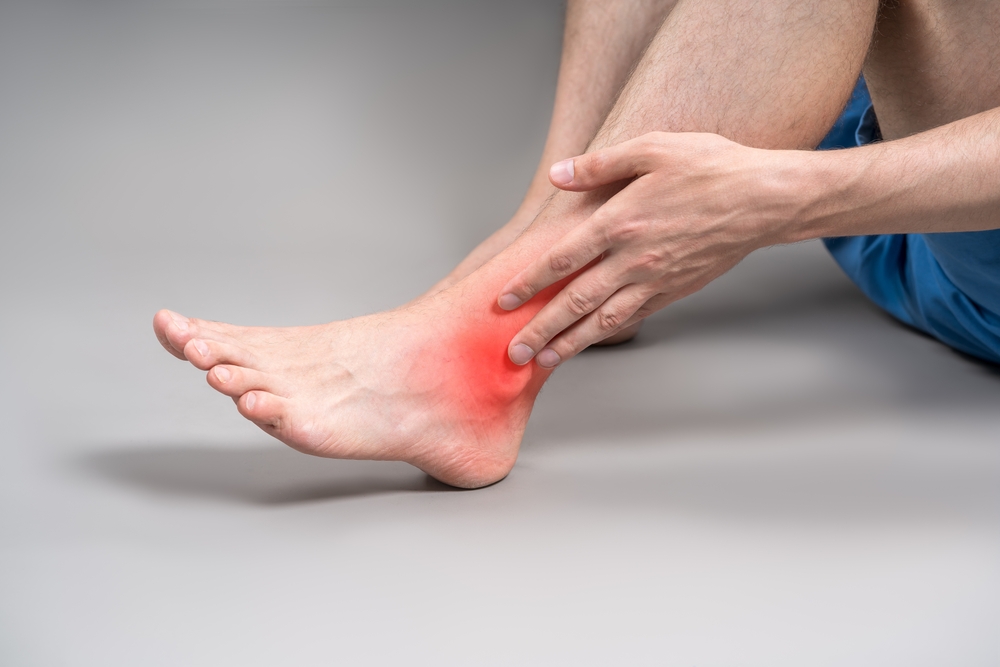
Achilles tendinitis is the irritation and breakdown of the tendon connecting your calf muscles to your heel bone, causing stiffness and pain at the back of the heel that’s often worst first thing in the morning or after activity.
At Emerald Hill Podiatry, we assess exactly where along the tendon the strain is occurring and why, then build a treatment plan that lets the tendon heal properly rather than just settling the flare-up.
The Achilles tendon connects your calf muscles to your heel bone and is the strongest tendon in the body, but also one of the most heavily loaded, absorbing several times your body weight with every push-off.
Tendinitis develops when it’s placed under more repetitive strain than it can recover from, causing small-scale tissue breakdown, inflammation, and thickening.
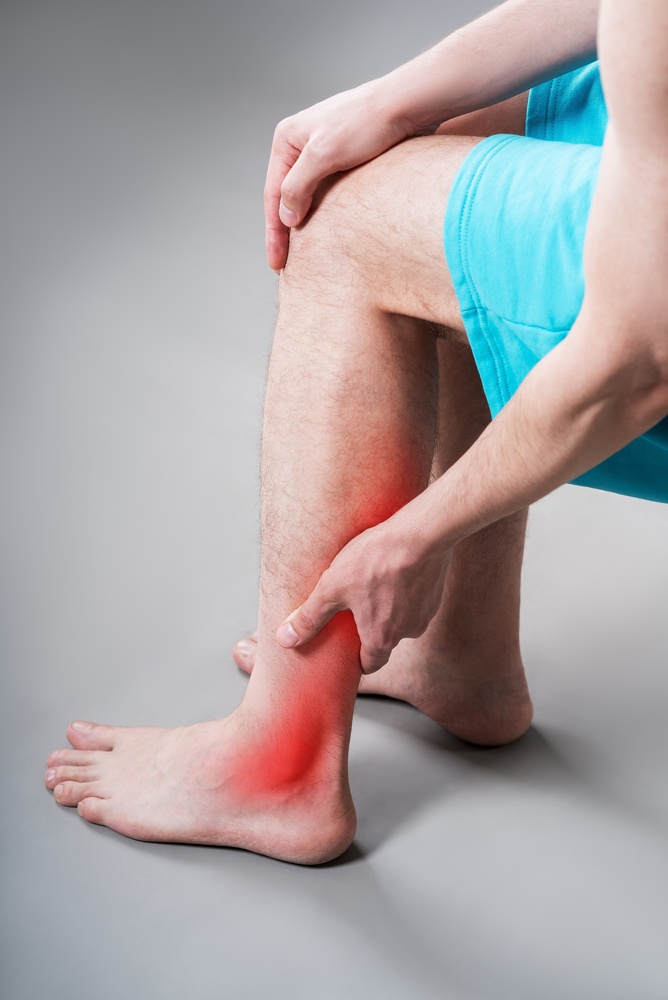
It typically shows up as either non-insertional (affecting the mid-portion, a few centimetres above the heel) or insertional (where the tendon attaches to the heel bone), and the two respond differently to treatment, which is why identifying the type matters.
Left unaddressed, a manageable ache can progress to a more chronic, degenerative condition (tendinosis) that takes considerably longer to resolve.
The stiffness and pain associated with Achilles tendinitis come from a combination of factors:
This is why the pain pattern is so distinctive. It’s stiff and achy in the morning, easing with movement, then returning or worsening after activity.
Get to the Root of Your Achilles Pain
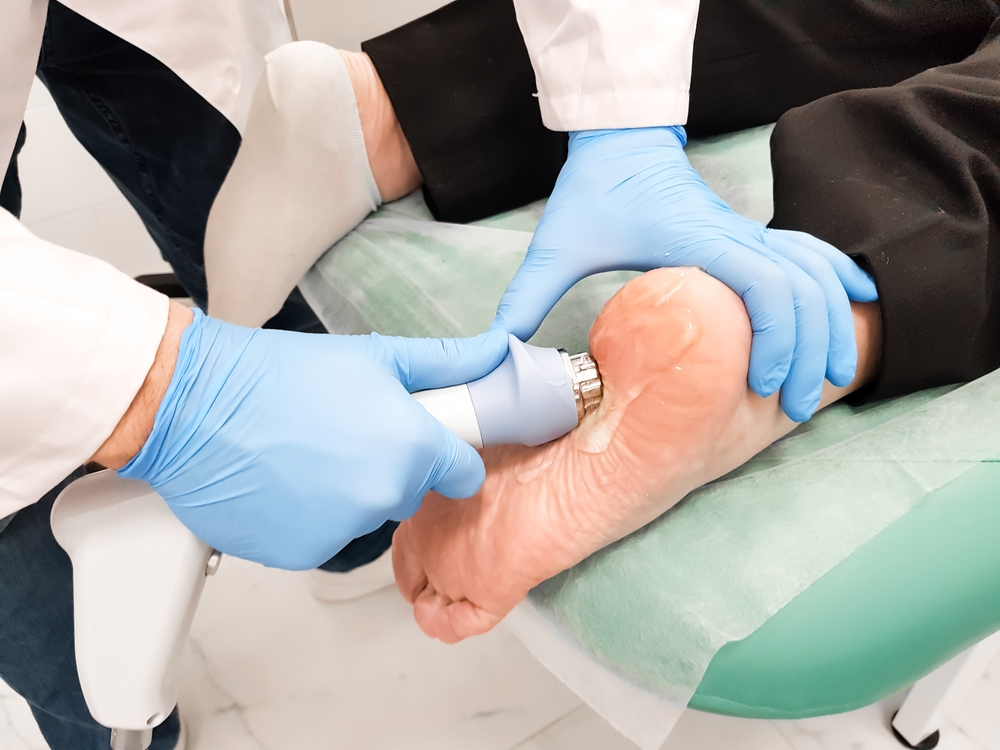
Achilles tendinitis responds best to a staged approach: reduce the load overwhelming the tendon, let inflamed tissue settle, then rebuild capacity so it can handle normal activity without pain returning.
Options include:
Your podiatrist reviews your pain history, activity, and footwear, examines the tendon for tenderness, thickening, and calf flexibility, and observes your gait to identify mechanical contributors. Imaging such as ultrasound or MRI may be used for more complex cases, though most are diagnosed clinically.
From there, you’ll be walked through whether your case is insertional or non-insertional and the right treatment mix, with your plan adjusted as the tendon’s capacity improves.


