
Ingrown Toenail Partial Nail Avulsion
A partial nail avulsion is a minor surgical procedure that permanently resolves a recurring ingrown toenail by removing the offending edge of the nail and preventing it from growing back. It is the definitive option when an ingrown nail keeps returning despite conservative care.
This page explains what the procedure involves, how it compares to nail bracing, and which option suits you best.
What Is an Ingrown Toenail
Partial Nail Avulsion?
A partial nail avulsion removes only the edge of the nail that is digging into the skin, rather than the entire nail. The problem section is separated and removed, and a chemical (usually phenol) is applied to the exposed nail bed to permanently stop that sliver from regrowing. The result is a nail that is slightly narrower but free of the recurring ingrown edge.
What the Procedure Involves
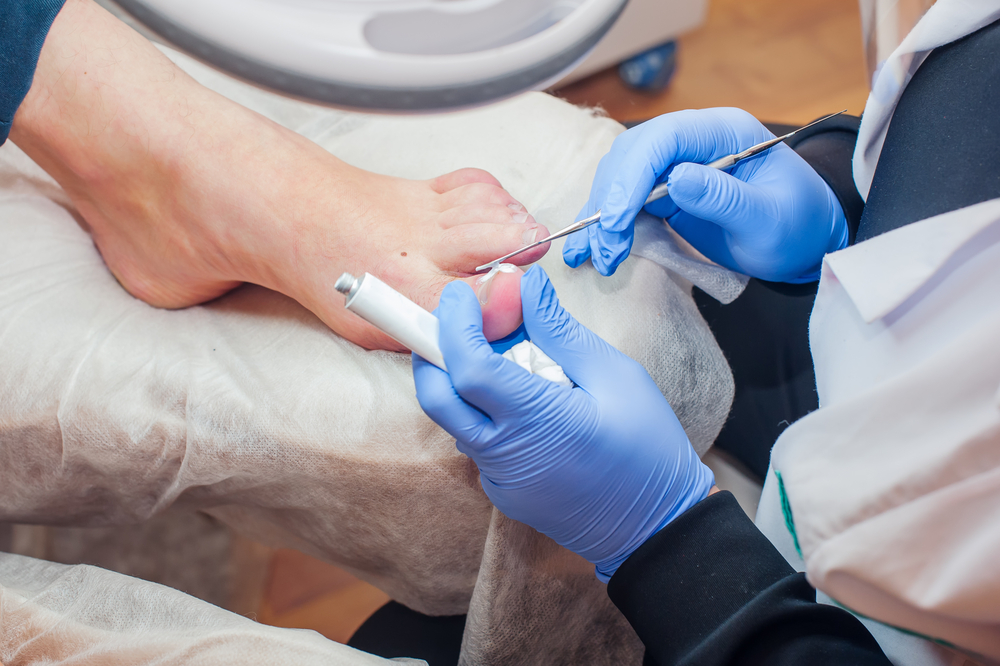
The procedure is short, comfortable, and performed under local anaesthetic:
- 1) Numbing — the toe is numbed so the procedure is painless.
- 2) Removal — the ingrown edge of the nail is separated and removed.
- 3) Phenolisation — a chemical is applied to the nail bed to prevent regrowth.
- 4) Recovery — a light dressing is applied; the toe heals over the following days.
Most people return to normal activity immediately, with some tenderness for a few days. Full healing typically takes one to two weeks.
How It Compares to Nail Bracing (Onyfix)
Both Onyfix and partial nail avulsion address ingrown nails but in quite different ways:
Feature
Partial Nail Avulsion (Surgery)
Onyfix (Bracing)
Approach
Surgical removal of the ingrown edge
Non-surgical; brace repositions the nail
Anaesthetic
Local anaesthetic required
None required
Result
Permanent removal of the problem edge
Gradual correction over growth cycles
Recovery
A few days of tenderness
Little to no downtime
Suitability
Severe, recurring, or deeply curved nails
Mild to moderate curvature, or surgery not preferred
How It Compares to Nail Bracing (Onyfix)
Both Onyfix and partial nail avulsion address ingrown nails but in quite different ways:
- Feature
- Approach
- Partial Nail Avulsion (Surgery)
- Surgical removal of the ingrown edge
- Onyfix (Bracing)
- Non-surgical; brace repositions the nail
- Feature
- Anaesthetic
- Partial Nail Avulsion (Surgery)
- Local anaesthetic required
- Onyfix (Bracing)
- None required
- Feature
- Result
- Partial Nail Avulsion (Surgery)
- Permanent removal of the problem edge
- Onyfix (Bracing)
- Gradual correction over growth cycles
- Feature
- Recovery
- Partial Nail Avulsion (Surgery)
- A few days of tenderness
- Onyfix (Bracing)
- Little to no downtime
- Feature
- Suitability
- Partial Nail Avulsion (Surgery)
- Severe, recurring, or deeply curved nails
- Onyfix (Bracing)
- Mild to moderate curvature, or surgery not preferred
Which One Is Right for You?
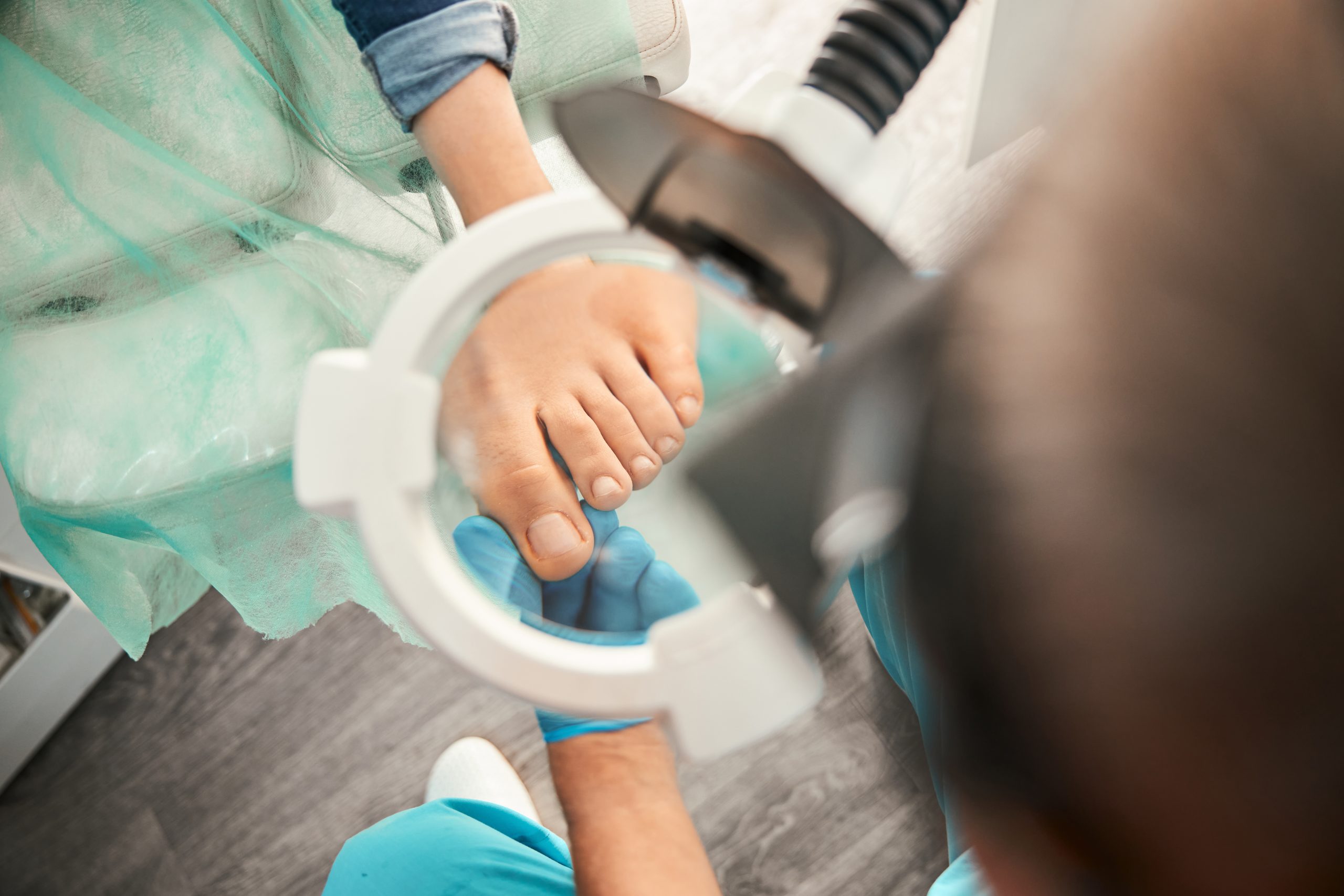
If your ingrown nail is severe, recurrent, or deeply curved, partial nail avulsion offers the most permanent solution, as we’ve seen with our clients.
If your nail is only mildly curved or you want to avoid surgery altogether, Onyfix bracing is an excellent non-surgical alternative.
Your podiatrist will asses your nail and recommend the option best suited to your situation.
Manage Recurring Ingrown
We perform partial nail avulsion at our clinic, beginning with a thorough assessment of your nail and the cause of the ingrowing nail. The procedure is quick, carried out under local anaesthetic for a comfortable experience, and followed up to ensure clean, complication-free healing.

Our Clinic
- Palais Renaissance 390 Orchard Rd, #10-03 Singapore 238871
- +65 8044 9825
- contactus@emeraldhillpodiatry.com
By appointment only


