


Debridement
Debridement removes dead, damaged, or infected tissue so healthy tissue underneath can heal properly. It’s a routine but essential procedure across podiatry, used for everything from thickened calluses and fungal nails to non-healing wounds and diabetic foot ulcers.
This page covers what debridement involves, the different types we perform, and what recovery looks like.
Debridement is the safe removal of tissue that is no longer contributing to healing, whether that’s dead skin, thickened callus, damaged nail material, or non-viable tissue within a wound. Left in place, this tissue can trap bacteria, slow healing, and mask the true extent of an underlying problem. Removing it allows the healthy tissue beneath to heal and lets your podiatrist properly assess what’s going on.
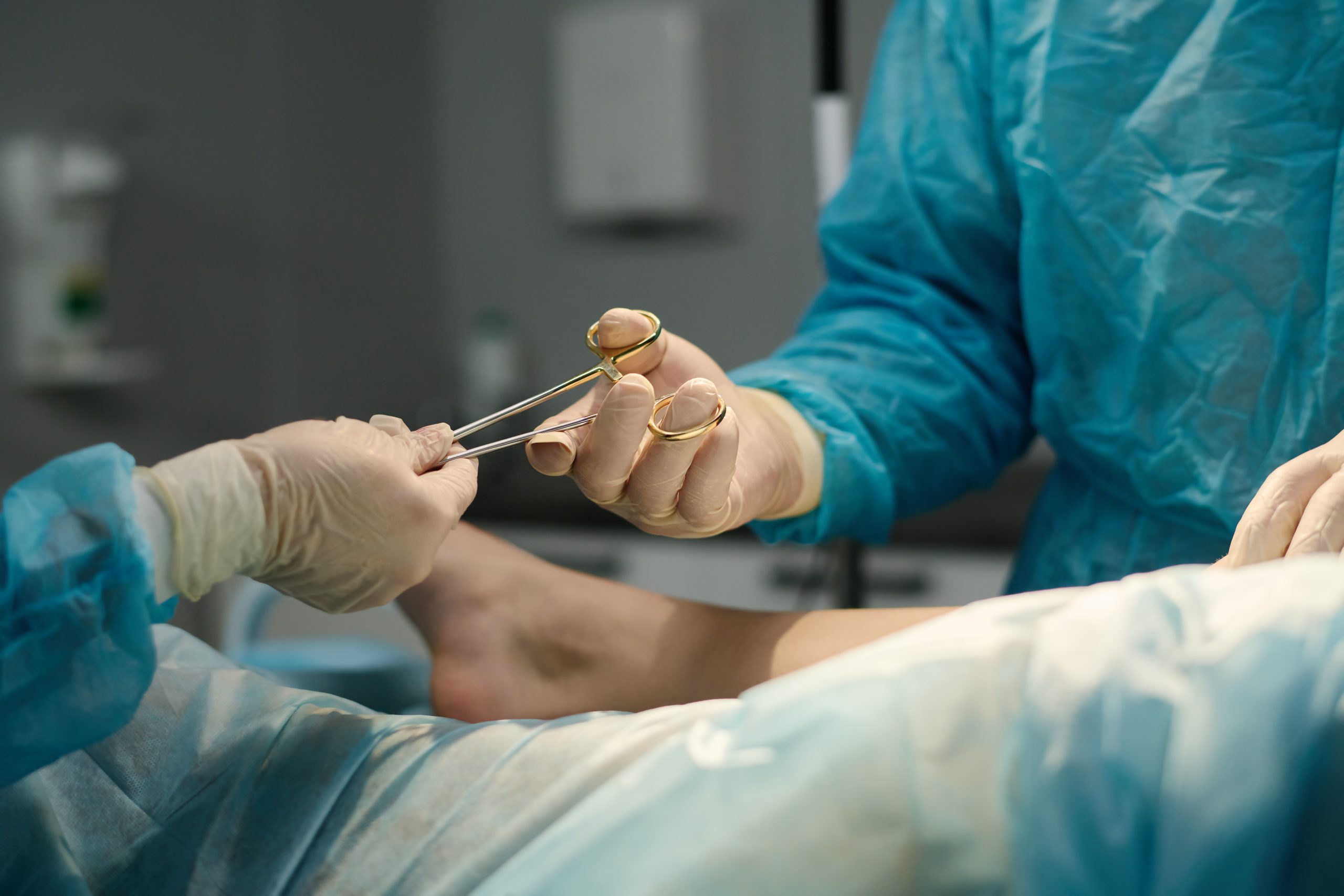
Your podiatrist uses sterile instruments to carefully remove the affected tissue, working only to the depth needed to reach healthy tissue underneath. The procedure is generally quick and, for most skin or nail cases, causes little to no discomfort. Wound debridement may involve local anaesthesia depending on the depth and sensitivity of the area.
Most patients can walk normally immediately after skin or nail debridement, with no significant downtime. For wound debridement, your podiatrist will advise on dressing changes and any offloading needed to protect the area while it heals, with follow-up sessions scheduled as needed until the wound closes.
We perform sharp, wound, and nail debridement in-clinic using sterile techniques tailored to the tissue involved.
Each session includes an assessment of the underlying cause, so we pair debridement with a plan to prevent recurrence.
By appointment only


