








Biomechanical Gait Analysis
A biomechanical gait analysis examines how your feet, ankles, and legs move together as you walk or run. Rather than treating pain in isolation, it identifies the underlying mechanics driving it, whether that’s overpronation, uneven leg length, or muscle imbalance, so treatment addresses the cause and not just the symptom.
This page covers how a gait analysis works, what it can uncover, and what to expect during your assessment.
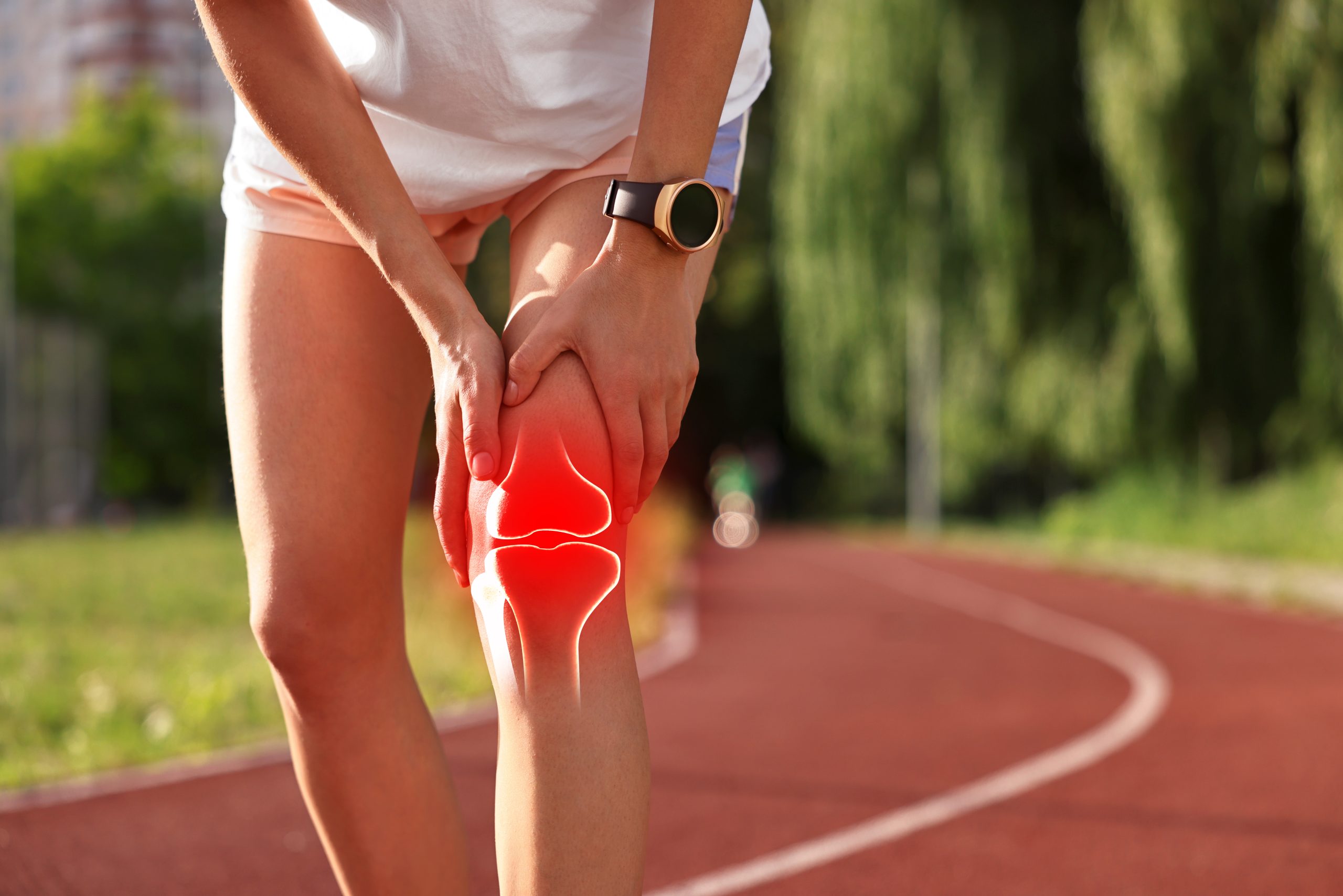
A biomechanical gait analysis is a structured assessment of how you walk and run, looking at the alignment, movement, and timing of your feet, ankles, knees, and hips. It looks beyond the area where you’re feeling pain, since problems in one area, such as the hip or arch, often show up as pain somewhere else entirely, like the knee or heel.
Your podiatrist observes your walking or running pattern, checking how your foot strikes the ground, how much it rolls inward or outward, and how your knees, hips, and pelvis move in response.
Video or pressure-plate analysis may be used to capture detail the eye alone would miss. The findings identify any imbalances or compensations contributing to your pain or injury.
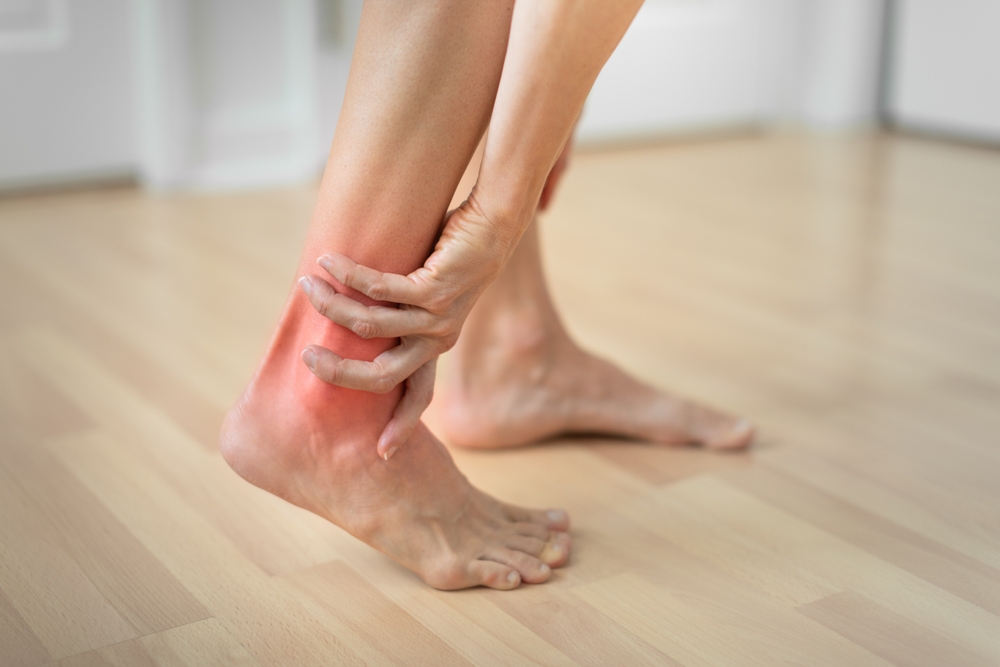
Excessive inward rolling of the foot that strains the ankle and knee over time
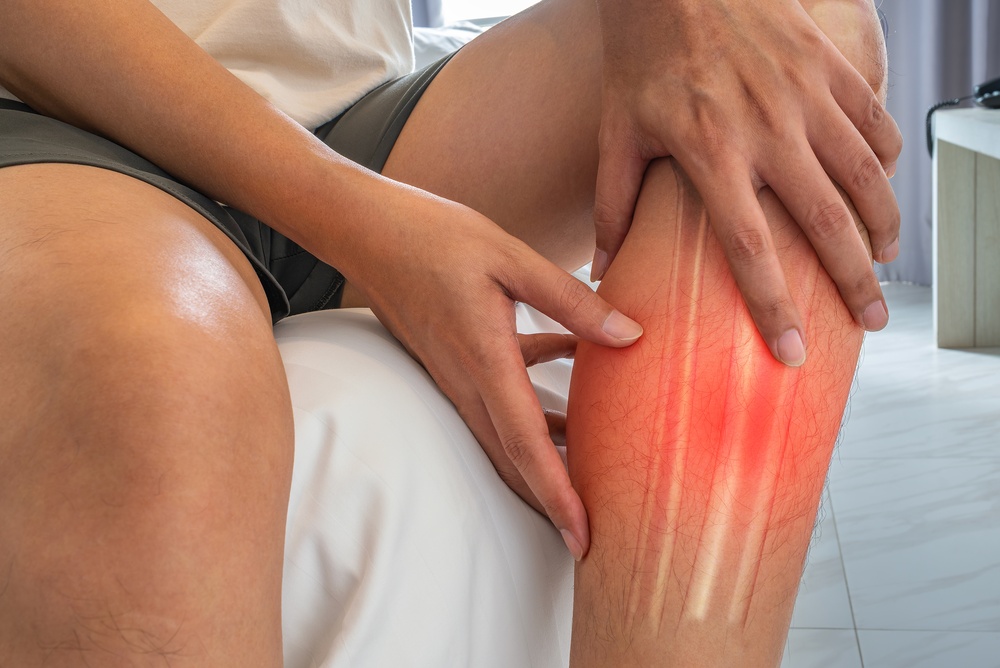
Repetitive strain injuries often linked to how the foot loads during gait
Recurring rolling or “giving way” tied to muscle weakness and movement patterns
Pain with no obvious direct cause, often traced back to compensations further down the chain
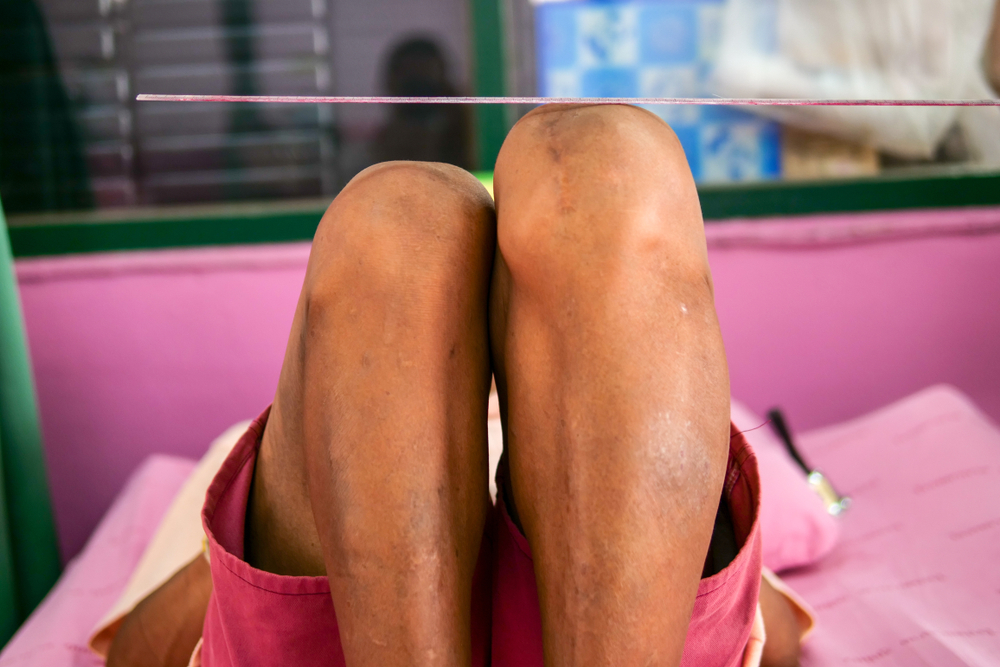
Uneven leg length affecting posture and stride
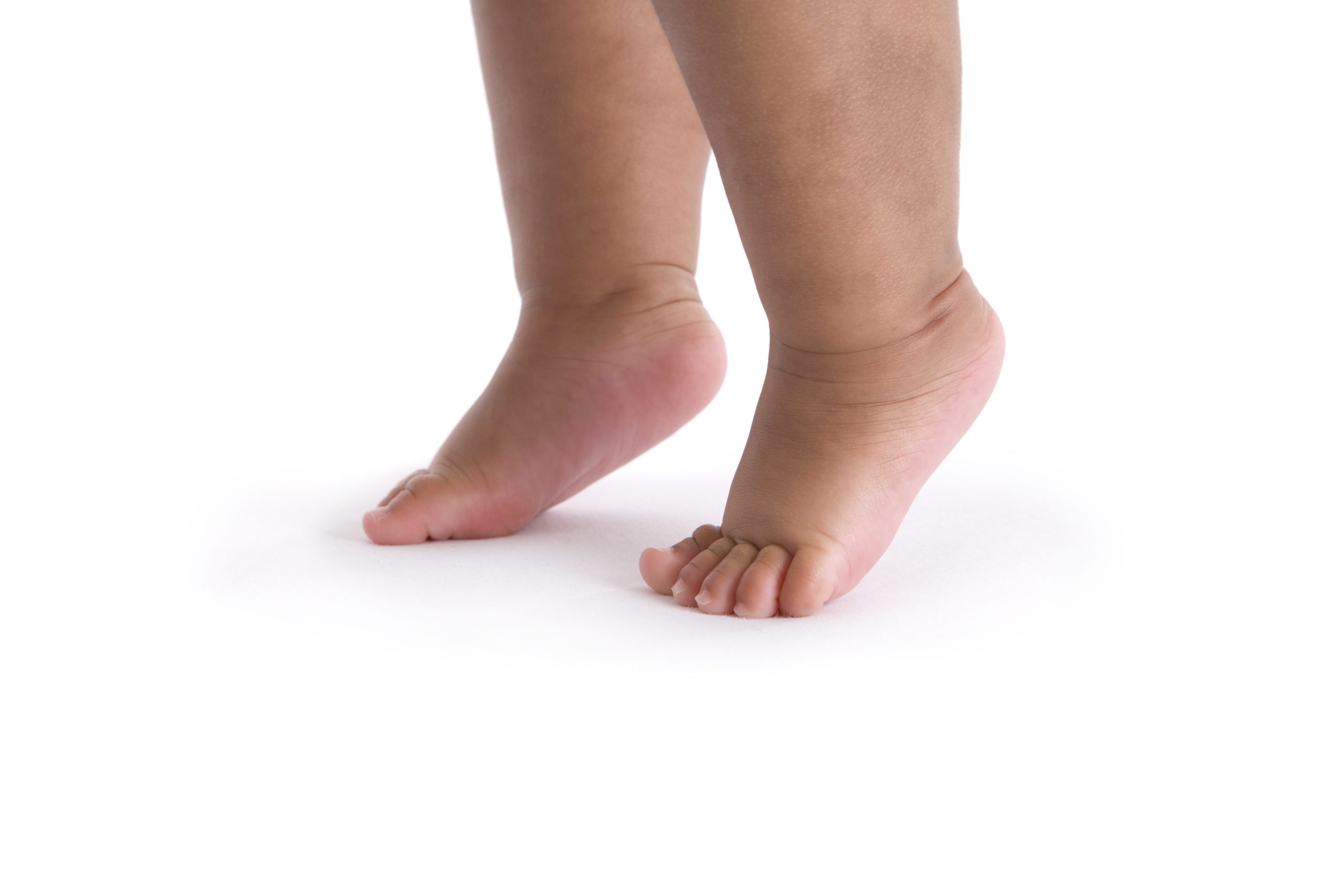
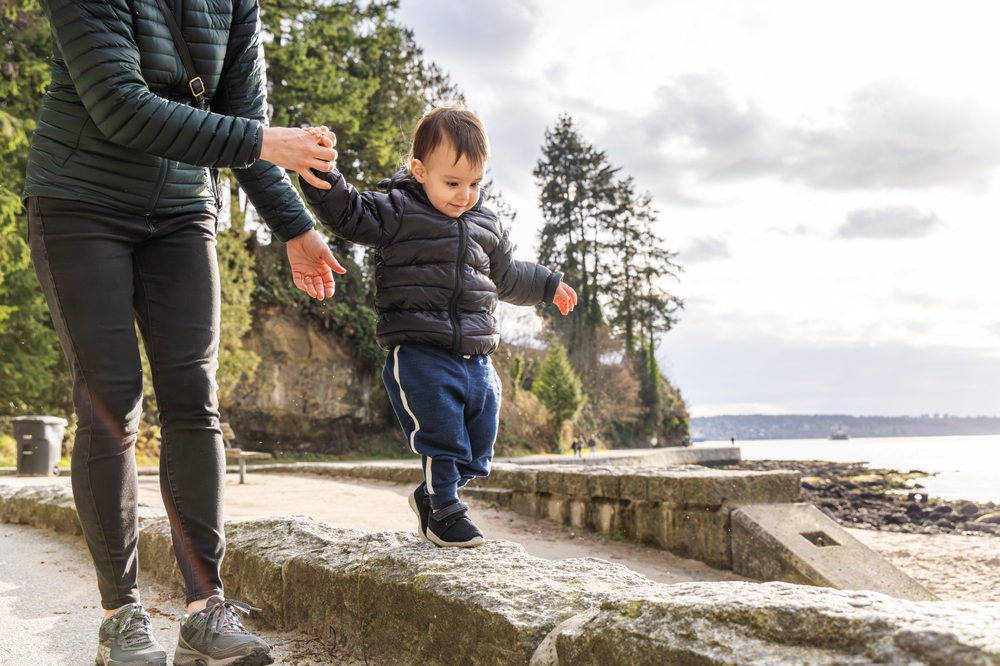
Rotational or developmental gait patterns in growing children
Understanding your pain, lifestyle, and previous injuries.
Hands-on evaluation of:
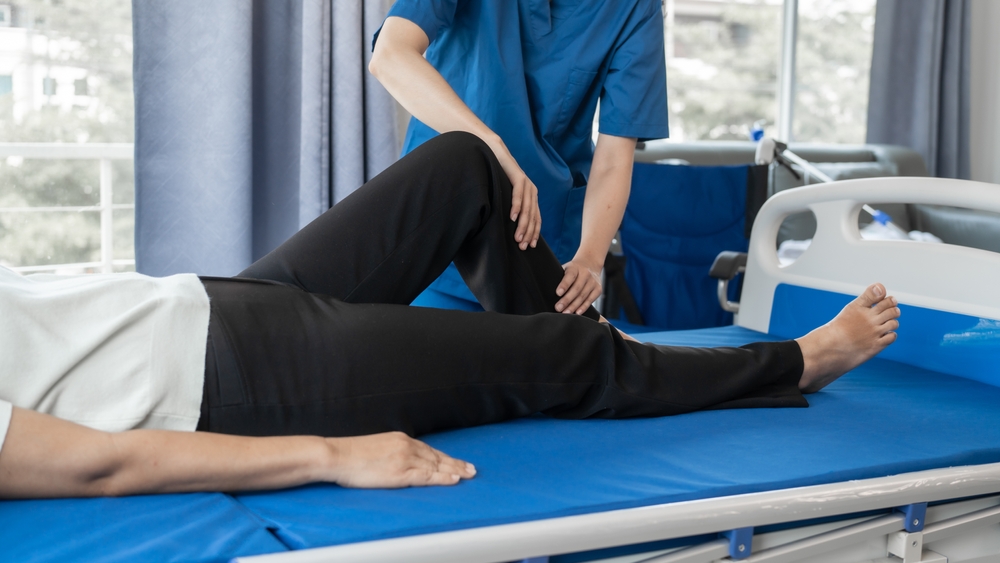
Hands-on evaluation of:
Movement screens such as squats, balance tests, and posture evaluation.
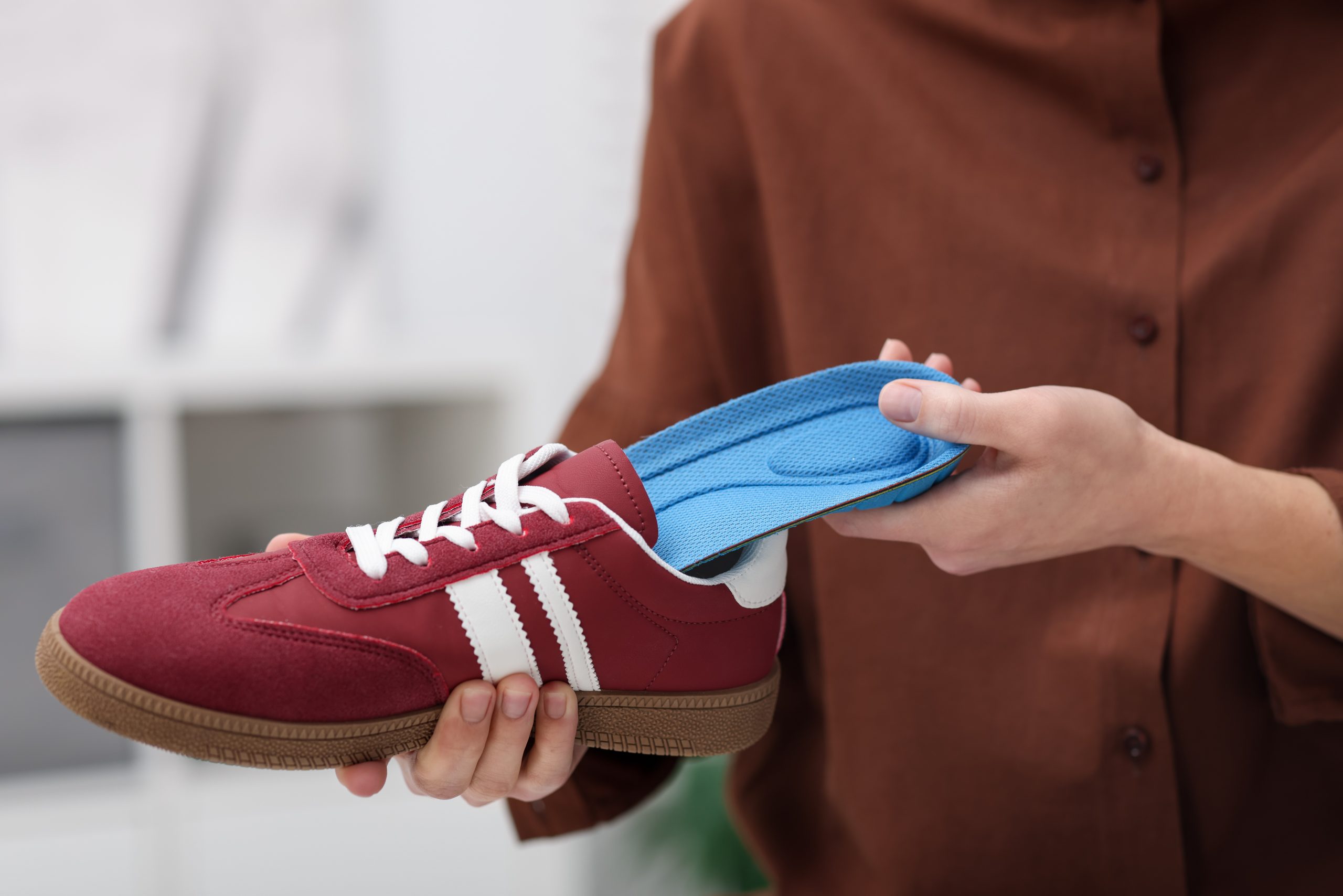
A personalised management plan may include:
You may benefit from this service if you:
Runners and athletes with recurring pain or injury, anyone with unexplained knee, hip, or back pain, patients recovering from a foot or ankle injury, and parents concerned about a child’s walking pattern.
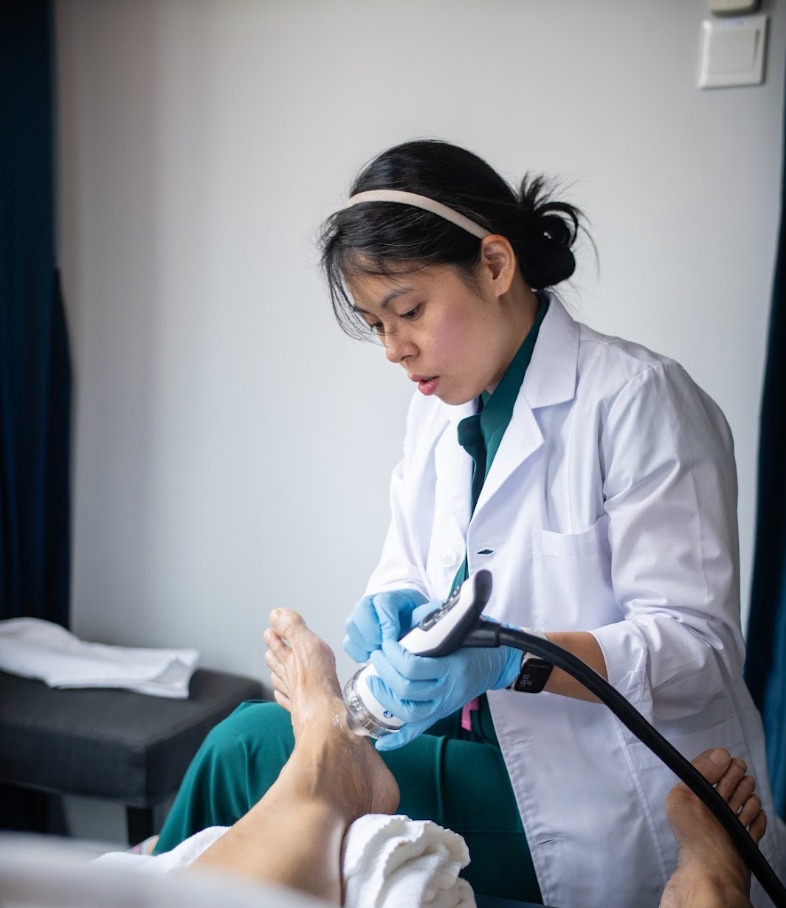
Your assessment includes a discussion of your symptoms and footwear history, followed by an observation of your walking pattern and a check of joint range of motion, muscle strength, and foot posture. You’ll leave with a clear explanation of what was found and how it connects to your symptoms.
A biomechanical gait analysis is often the starting point for treatment plans across conditions from turf toe to shin splints to paediatric gait concerns. Your assessment includes a full walking analysis, a footwear review, and a clear breakdown of the findings, with a treatment plan built around what’s actually driving your symptoms.
By appointment only


